Essential Strategies for Modern Freight Forwarding Excellence
Thursday, September 24 2026

The global logistics landscape is undergoing a massive transformation driven by rapid digitization and shifting consumer expectations. Freight forwarders must adapt their operational models to remain competitive in a market that prioritizes speed, transparency, and data-backed decision making. Transitioning from legacy manual processes to integrated cloud-based platforms is no longer optional but a baseline requirement for sustainable growth. By leveraging real-time visibility tools and automated workflows, forwarders can minimize human error, reduce overhead costs, and significantly improve client satisfaction. This article explores actionable best practices to help your firm navigate these complexities and thrive in the modern freight industry.
Optimizing Supply Chain Visibility
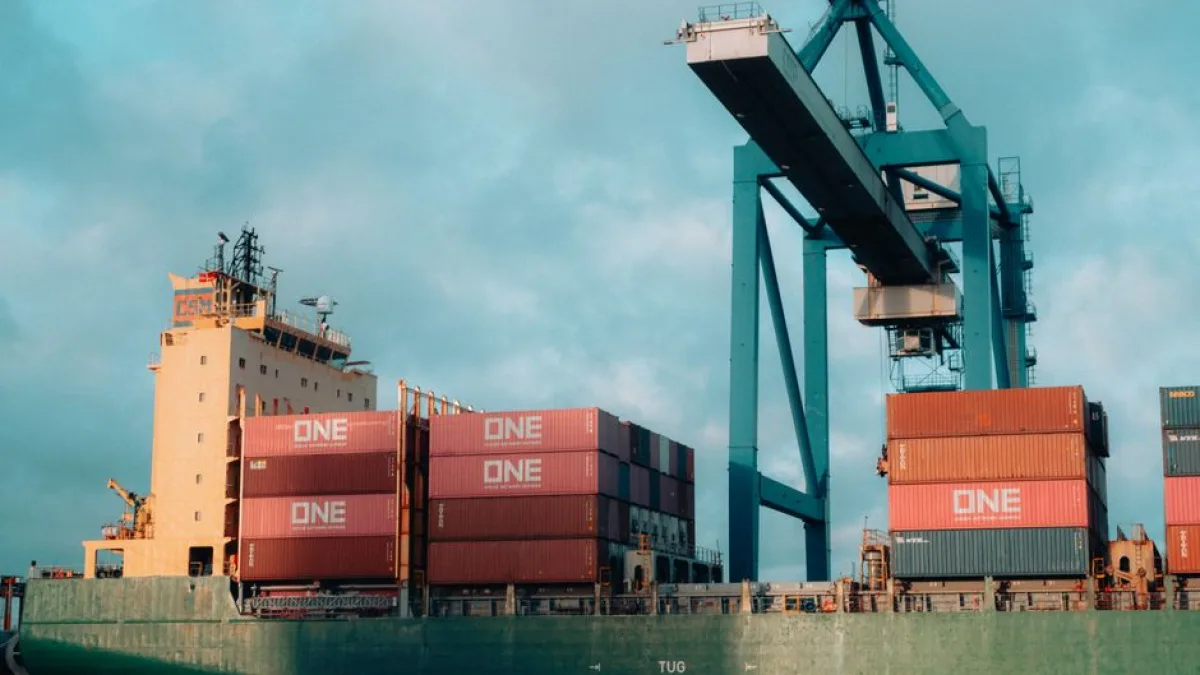
Real-time tracking provides the essential transparency that modern shippers demand for their high-value cargo. By integrating automated tracking solutions, forwarders can proactively manage exceptions and keep stakeholders informed without relying on manual status updates or constant phone calls to carriers.
- Automated Tracking Systems: Implementing digital platforms allows for continuous monitoring of shipments from origin to destination, ensuring that data is always updated and accessible for your internal team members.
- Proactive Exception Management: Identifying delays early through automated alerts enables logistics coordinators to reroute shipments or inform clients immediately, thereby reducing the negative impact of unforeseen global logistics disruptions.
- Centralized Communication Hubs: Consolidating all status updates into a single dashboard ensures that every stakeholder has a consistent view of the shipment journey, eliminating confusion and missed information gaps.
- Data Driven Insights: Utilizing analytics helps forwarders identify recurring bottlenecks in their supply chain network, allowing for smarter decision making regarding carrier selection and route planning for future operations.
Achieving total supply chain visibility transforms how your firm interacts with its clients. By providing accurate information faster than your competitors, you establish a reputation for reliability and professional excellence. This strategic shift moves your team away from reactive firefighting and toward proactive management, which ultimately builds long term trust with your shippers while maximizing overall efficiency throughout your entire global transportation network.
Streamlining Documentation Workflows

Digital transformation significantly reduces the time spent on repetitive manual documentation tasks. Automated software can generate compliant shipping documents in seconds, preventing errors that often lead to costly delays at customs checkpoints or during the final delivery phase of cargo.
- Automated Document Generation: High-quality software solutions automatically pull data from booking files to create accurate bills of lading and commercial invoices, drastically cutting down on manual data entry.
- Error Reduction Protocols: Built-in validation rules flag potential discrepancies in documentation before files are submitted to customs authorities, ensuring high levels of compliance and avoiding expensive regulatory penalties.
- Cloud Based Storage: Maintaining a secure and searchable digital archive of all historical shipping records allows your team to retrieve vital documents instantly during audits or disputes.
- Customs Compliance Automation: Modern tools integrate directly with government customs portals, ensuring that all filings follow current local regulations and international trade laws for every transit shipment.
Efficient documentation management is the backbone of a successful freight forwarding business. When your staff spends less time typing and more time solving high-level logistical problems, the firm becomes much more profitable. Standardizing these workflows across your organization creates a scalable foundation for growth, enabling your team to handle larger volumes of shipments without compromising on quality, accuracy, or professional industry standards.
Enhancing Client Service Standards

Delivering exceptional service requires a delicate balance between human expertise and technological efficiency. Forwarders must focus on creating personalized experiences that make shippers feel secure, valued, and fully informed about the status of their unique and important logistics operations.
- Personalized Client Dashboards: Providing customers with secure portals allows them to view their specific shipment status, download documents, and track invoices without needing to contact your support staff.
- Rapid Response Times: Deploying automated messaging systems ensures that client inquiries are acknowledged instantly, providing peace of mind even when your agents are busy handling complex logistical challenges.
- Transparent Rate Quotes: Offering fast and accurate freight quotations through your website helps attract new leads and builds trust by showing professional transparency in your pricing strategies.
- Strategic Account Management: Focusing on the specific needs of high-value shippers allows you to offer custom logistics solutions that strengthen long-term partnerships and increase overall customer retention.
Modern freight forwarding is as much about the customer experience as it is about moving physical cargo. By leveraging tools that empower your clients to self-serve while maintaining a strong human connection, you differentiate your brand in a crowded market. Consistently exceeding these service expectations turns your firm into a trusted partner, driving repeat business and encouraging positive referrals throughout the industry.
Leveraging Advanced Data Analytics

Data is the most valuable asset in the modern freight industry. By analyzing historical performance and current trends, forwarders can optimize their carrier partnerships, refine their pricing models, and identify new opportunities for cost savings across their entire international trade operation.
- Carrier Performance Tracking: Monitoring key metrics like on-time performance and service quality helps you choose the most reliable carriers for your clients, significantly reducing the risk of transit delays.
- Profitability Margin Analysis: Detailed reporting on every shipment allows managers to see exactly where money is being made or lost, enabling better financial control over your services.
- Market Trend Forecasting: Analyzing shipping volume patterns helps you anticipate seasonal capacity constraints and adjust your logistics strategies to maintain competitive pricing and reliable space availability for shippers.
- Scalable Business Intelligence: Custom reports provide the visibility needed for executive leaders to make informed, data-backed decisions that support sustainable company growth and overall market positioning strategies.
Harnessing the power of advanced analytics allows freight forwarders to stay one step ahead of the competition. When you possess a deep understanding of your operational metrics, you can make precise adjustments that drive profitability and improve efficiency. This commitment to data excellence ensures your firm remains agile and prepared for future changes, solidifying your status as a leader within the global logistics sector.
Conclusion
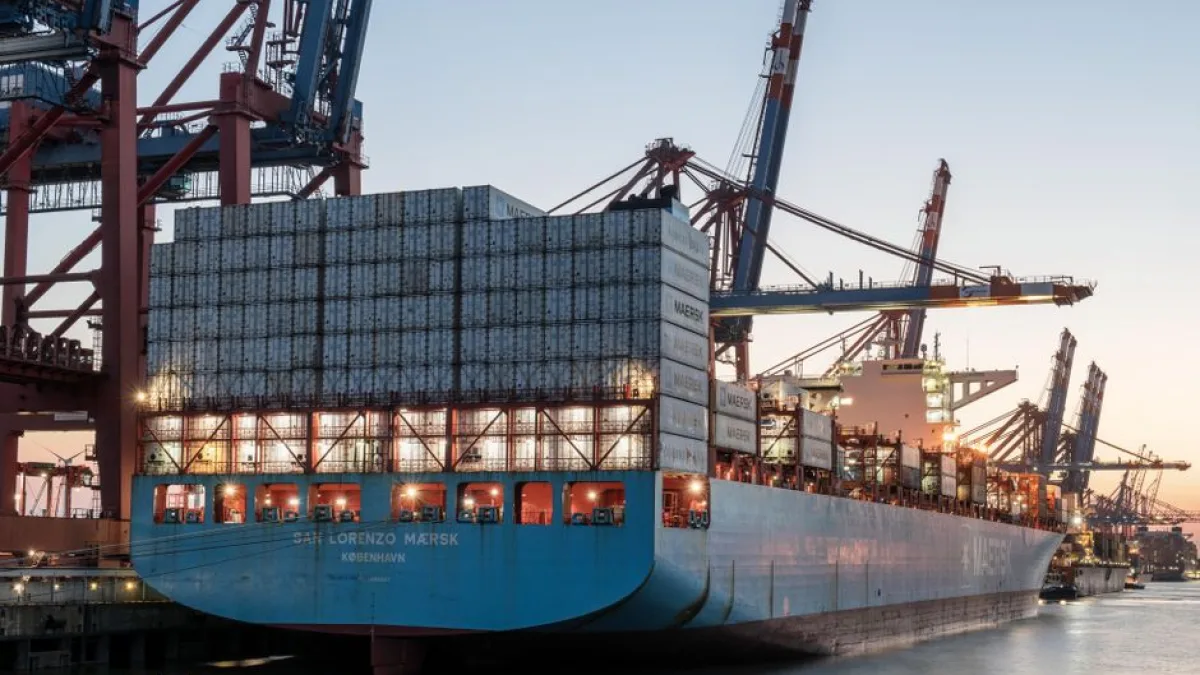
Mastering modern freight forwarding requires a commitment to both innovative technology and exceptional customer service. By streamlining your documentation, boosting visibility, and leveraging data-driven insights, you position your firm for long-term success. Start integrating these best practices today to simplify your operations, reduce manual errors, and scale your business efficiently. Reach out to MakeCargo to discover how our cloud-based tools can help elevate your freight operations.