Essential Strategies for Modern Freight Forwarding Excellence
Tuesday, October 6 2026
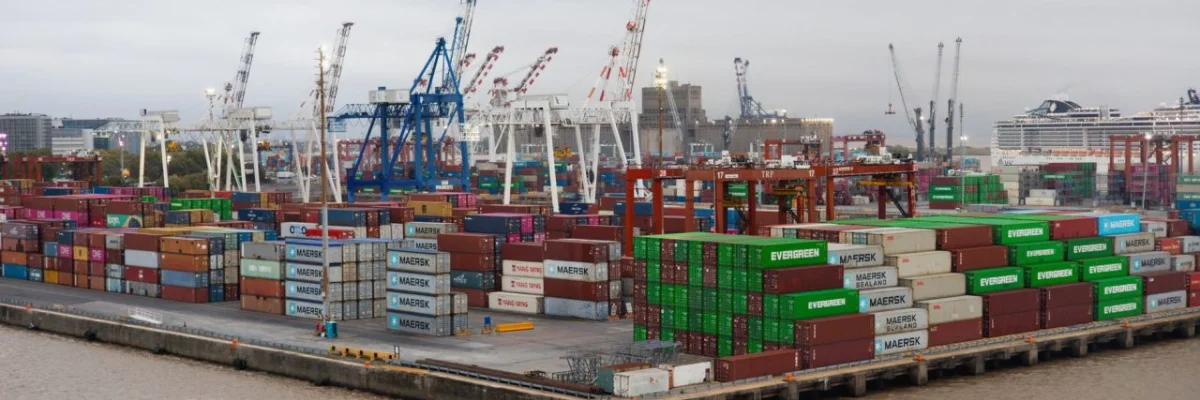
The global logistics landscape is undergoing a massive transformation driven by digitalization and shifting consumer expectations. For modern freight forwarders, staying competitive requires more than just moving goods from point A to point B. It demands a holistic approach to operational efficiency, real-time visibility, and seamless communication. By leveraging cloud-based platforms like MakeCargo, businesses can eliminate manual bottlenecks and focus on high-value client relationships. This guide explores the critical best practices designed to help your freight forwarding operation thrive in an increasingly complex market, ensuring that your business remains agile and prepared for the challenges of international trade.
Optimizing Warehouse Inventory Management
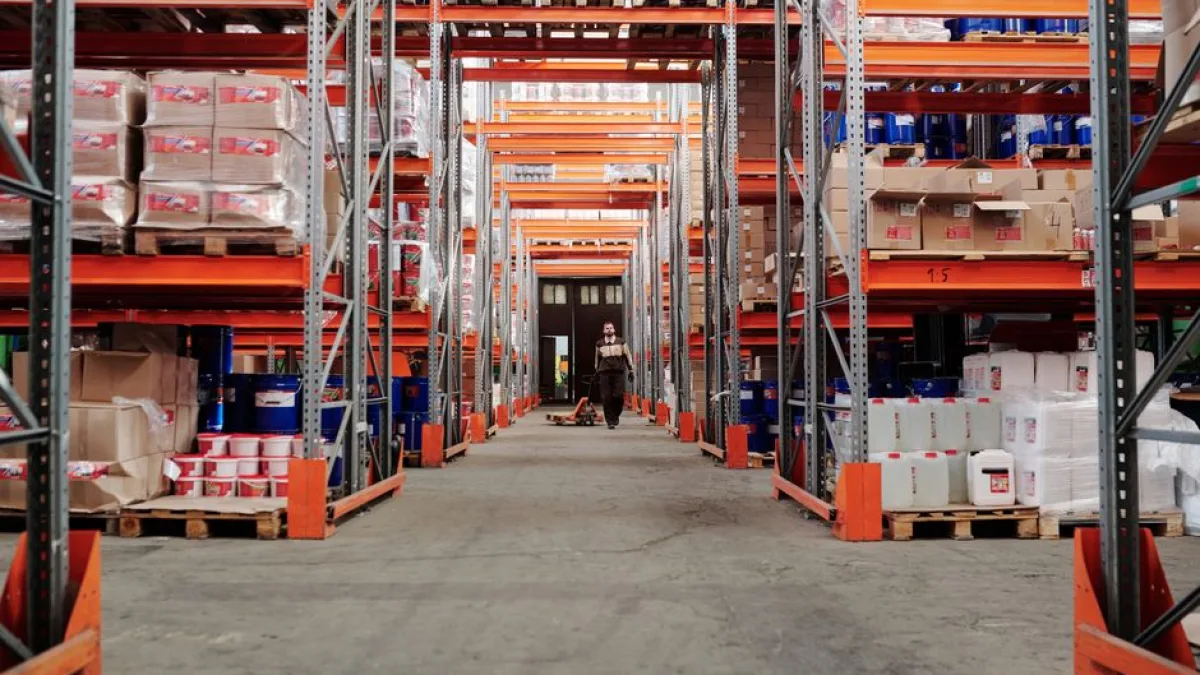
Efficient inventory management acts as the backbone of your logistics network. When you maintain precise control over stock levels and warehouse space, you minimize delays and reduce overhead costs significantly, providing a superior foundation for all your subsequent shipping operations.
- Real-time inventory tracking: Implement automated tracking systems that provide instant updates on stock levels to prevent errors and ensure accurate documentation for every single shipment handled by your team.
- Optimized warehouse layout: Design your storage zones to prioritize high-velocity goods, which drastically reduces travel time for your staff and accelerates the overall order fulfillment speed for clients.
- Accurate cycle counting: Conduct regular physical audits to verify digital records, which helps to identify discrepancies early before they evolve into major operational or financial headaches later.
- Data-driven demand planning: Utilize historical shipping data to forecast future inventory needs accurately, allowing your team to allocate resources effectively while avoiding common issues like overstocking or shortages.
Mastering these inventory strategies allows your team to maintain a smooth flow of goods. By reducing the time spent on manual inventory checks and error correction, your staff can dedicate their focus to strategic growth and client satisfaction. Implementing these rigorous practices establishes a reliable reputation for your freight forwarding brand, ultimately turning your warehouse efficiency into a significant competitive advantage in the industry.
Streamlining Documentation and Compliance

Managing global shipping documentation often involves tedious manual input that leads to costly errors. Streamlining your paperwork through automated platforms ensures that every bill of lading and customs form adheres to international regulations, thereby preventing dangerous delays at transit.
- Automated document generation: Use digital tools to generate standard shipping forms instantly, which eliminates repetitive manual data entry and minimizes the risk of human error in documentation.
- Centralized document repository: Create a secure cloud-based portal where all stakeholders can access essential files, ensuring that everyone involved has the latest information regarding any active shipment.
- Strict regulatory compliance: Keep your software updated with the latest international trade laws to ensure that all declarations are accurate and meet the requirements of customs authorities.
- Electronic signature integration: Adopt digital signing solutions to speed up the approval process, which removes the need for physical paperwork and reduces document turnaround times for clients.
Adopting these streamlined workflows transforms how your office handles the administrative burden of international logistics. By minimizing the time spent on manual document processing, your team can accelerate shipment processing speeds significantly. This shift toward digital compliance not only prevents costly customs delays but also demonstrates professional reliability, helping you retain long-term partners who value speed and extreme accuracy above all else.
Enhancing Communication With Clients

Clear and proactive communication builds long-term trust in the freight forwarding business. Providing clients with immediate access to shipment statuses and automated notifications helps manage expectations while reducing the volume of routine inquiries that often flood your support desk.
- Proactive status alerts: Configure your software to send automatic email or SMS updates to clients whenever a milestone is reached, keeping them informed throughout the shipping journey.
- Centralized communication logs: Maintain a clear record of all client interactions within your platform, ensuring that any team member can provide consistent support whenever a customer calls.
- Dedicated client portals: Provide a secure login for your customers where they can download reports, view invoices, and track their freight without needing to contact your staff.
- Transparent issue resolution: Communicate clearly during unexpected delays by providing honest updates and proposed solutions, which helps to maintain high levels of trust during challenging shipping incidents.
Effective communication is the cornerstone of client retention in logistics. By automating status updates and providing self-service tools, you empower your clients while simultaneously freeing up your staff to handle more complex inquiries. This dual approach improves your service speed and quality, ensuring your company remains the top choice for partners who require transparency and consistent, high-quality professional support throughout their shipping process.
Leveraging Advanced Data Analytics

Data is the most valuable asset in modern logistics, offering insights that drive smarter business decisions. By analyzing shipping performance trends and cost structures, forwarders can identify areas for improvement and maximize their profit margins on every single transport route.
- Detailed cost analysis: Review your freight spending patterns regularly to identify cost-saving opportunities and negotiate better rates with your carriers based on your actual volume of business.
- Carrier performance metrics: Track and grade your carrier partners based on transit times and reliability, which helps you choose the best options for sensitive or urgent shipments.
- Revenue trend forecasting: Use analytical reports to identify seasonal shifts in demand, allowing you to prepare your capacity and marketing efforts for the upcoming peak shipping months.
- Operational efficiency tracking: Measure the time it takes to move goods from booking to delivery, which identifies specific bottlenecks within your processes that need immediate managerial attention.
Harnessing the power of your shipping data enables you to make decisions based on evidence rather than intuition. As you refine your processes through consistent analysis, you will discover new ways to lower operational costs and increase profitability. Building a culture of data-driven improvement ensures your freight forwarding business continues to innovate, adapt, and remain successful in a competitive, fast-moving global environment.
Conclusion

Success in the modern freight forwarding industry requires a commitment to digital tools, efficient processes, and clear communication. By adopting these best practices, you can streamline your operations, improve client satisfaction, and gain a significant edge over the competition. Start implementing these strategies within your organization today to drive sustainable growth and ensure your freight forwarding business remains resilient and profitable for years.