Essential Strategies for Modern Freight Forwarding Success
Wednesday, September 30 2026
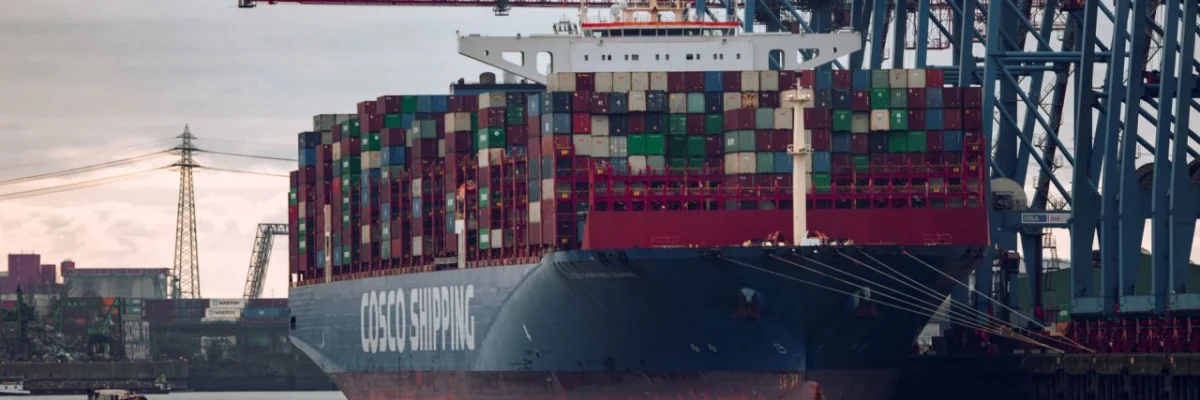
The global logistics landscape is undergoing a massive digital shift that demands agility from every freight forwarder. As client expectations evolve toward instant visibility and transparent communication, manual processes have become a significant bottleneck for growth. Successfully navigating this competitive terrain requires a strategic blend of technological adoption and robust operational standards. By centralizing documentation, automating repetitive workflows, and prioritizing real-time data flow, forwarders can reclaim lost time and improve their bottom line significantly. This guide highlights the most effective practices to modernize your business, reduce human error, and build lasting resilience in a complex, data-driven international trade environment.
Embrace Cloud Integration

Modern cloud systems allow your team to access critical shipment data from any location while ensuring that every stakeholder stays updated. Moving away from localized servers reduces infrastructure risks and enhances the speed of information exchange across your entire global network.
- Centralized data access: Hosting your documentation in a secure cloud environment ensures that your team members, agents, and clients always view the most recent version of every shipment record.
- Automated backup protocols: Advanced cloud platforms perform continuous backups, which prevents the catastrophic loss of important shipping documents if your local hardware happens to fail during operations.
- Real-time synchronization: Data updates made by partners in different time zones appear instantly, eliminating the common latency issues that often cause delays in document processing and customs clearance.
- Scalable infrastructure growth: Choosing a cloud solution allows your business to add new users or expand storage capacity seamlessly as your freight forwarding operation grows over the years.
Adopting a cloud-first strategy provides the backbone for long-term scalability and remote flexibility. When information is no longer trapped in individual email inboxes or local folders, your team can collaborate effectively regardless of physical boundaries. This transformation minimizes data silos, improves response times for your international clients, and positions your freight forwarding business to handle larger volumes without needing a proportionate increase in staff.
Prioritize Workflow Automation
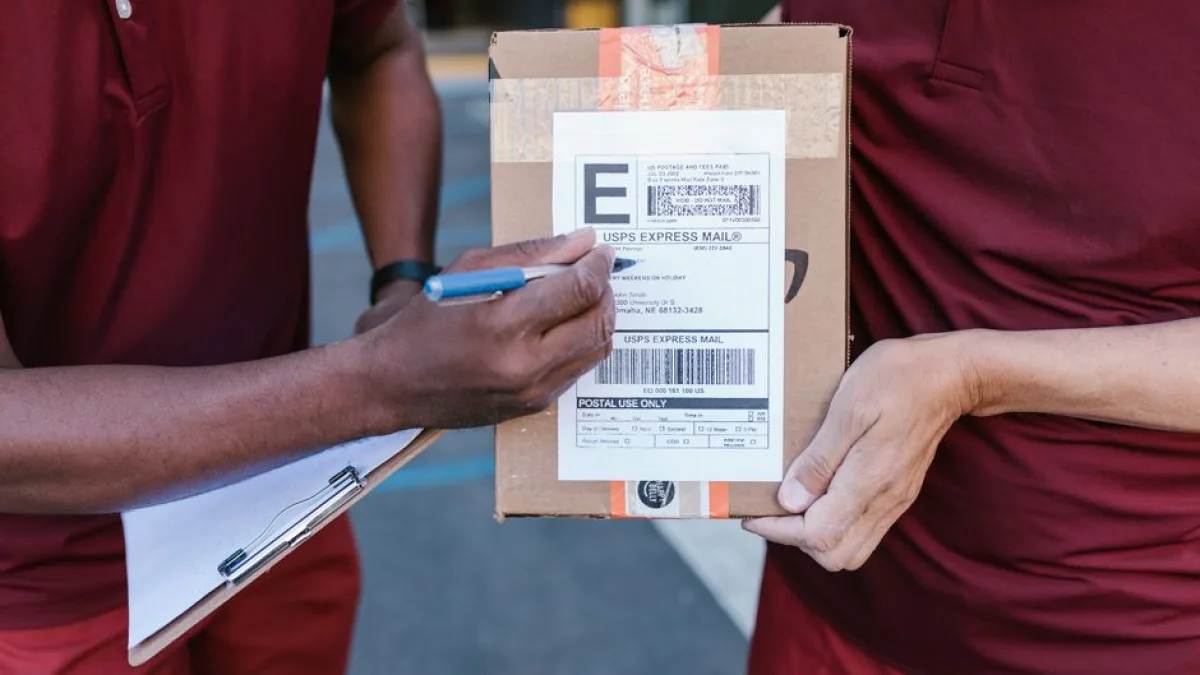
Automation is the most effective way to eliminate repetitive manual tasks that consume precious time. By automating standard processes, your staff can focus their energy on high-value client interactions and complex problem solving instead of mundane data entry and filing.
- Automated status updates: Configure your software to send automatic email notifications to clients whenever a shipment reaches a milestone, which significantly reduces the volume of routine status inquiries.
- Digital document generation: Use templates to populate air waybills and bills of lading automatically, ensuring total accuracy while reducing the time spent manually drafting repetitive shipping paperwork daily.
- Integrated accounting modules: Automated financial workflows synchronize your operational freight data with billing systems to ensure that invoices are issued quickly and payments are tracked without human error.
- Smart task reminders: Built-in notification engines alert your staff about upcoming deadlines or documentation expirations, ensuring that no shipment gets stalled due to forgotten compliance or customs requirements.
By shifting repetitive burdens to software, you empower your team to operate at a higher level of professional excellence. Automation reduces the likelihood of human error during intense periods of high volume. Investing in these digital tools ensures that your operations remain efficient and consistent. As a result, your agency gains the capacity to scale operations while maintaining superior quality standards for your customers.
Enhance Supply Chain Visibility
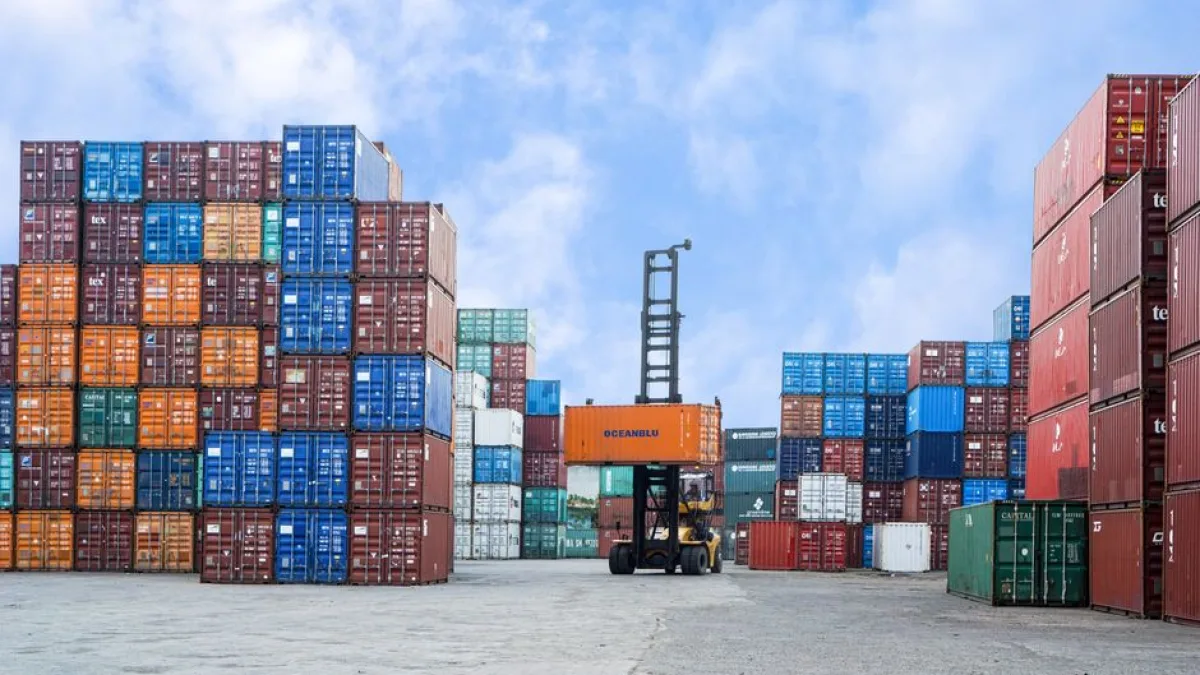
Providing clients with granular visibility into their shipments is now a standard requirement rather than an optional luxury. Modern tracking tools integrate live carrier data to offer precise updates that build deep trust and long-term loyalty with your partners.
- Live tracking portals: Offer your clients a dedicated portal where they can monitor shipment progress on a map interface, providing them with the peace of mind they demand.
- Carrier API integration: Connecting directly to carrier systems pulls live arrival and departure data into your platform, ensuring that your clients receive the most accurate timing estimates.
- Exception management alerts: Proactive monitoring identifies potential delays early, allowing your team to inform clients and propose solutions before the shipment is significantly impacted by unforeseen transit events.
- Predictive analytics use: Analyze historical carrier performance data to advise your clients on the best shipping routes and providers, helping them avoid recurring bottlenecks in their supply chains.
Total transparency is the most effective marketing tool for any freight forwarding firm today. When you provide constant visibility, you reduce the anxiety associated with international shipping and establish your company as a reliable partner. This commitment to data transparency improves client satisfaction scores and encourages repeat business. By mastering the flow of information, you become an indispensable link in your clients global success.
Focus on Compliance Management

Navigating the complex maze of international customs regulations requires a proactive approach to compliance. Using dedicated software to handle duty calculations and regulatory filings minimizes the risk of heavy fines and avoids costly cargo seizures at international borders.
- Automated trade screening: Integrated tools check all parties against global restricted entities lists, ensuring that your company always remains compliant with international trade laws and sanction programs.
- Updated tariff databases: Access real-time tax and duty tables within your software to provide accurate quotes and avoid financial discrepancies that could lead to billing disputes later.
- Digital record keeping: Maintain a complete, searchable digital history of all compliance filings and communications, which is essential for surviving future audits by government customs authorities globally.
- Standardized filing processes: Create strict digital workflows for all export declarations, ensuring that every required field is filled correctly before submission to local customs agencies every single time.
A rigorous compliance strategy protects your agency from legal risks while accelerating the customs clearance process for your clients. Investing in digital compliance tools helps your team stay ahead of shifting global regulations, which are becoming more complex every single year. By formalizing your internal processes and maintaining perfect records, you build a reputation for reliability and professionalism that attracts high-value international shippers.
Conclusion

Modernizing your freight forwarding operation is not just about adopting new technology, but about creating a more responsive business model. By focusing on cloud integration, process automation, supply chain visibility, and strict compliance, you create a sustainable advantage. Start by evaluating your current workflows today and implement digital solutions that save time and reduce errors. Your future growth depends on these essential operational improvements.