Essential Strategies for Optimizing Freight Forwarding Operations
Saturday, October 17 2026

The global logistics landscape is changing at an unprecedented pace, placing heavy pressure on freight forwarders to improve efficiency and reduce operational overhead. Success in this competitive industry requires more than just traditional shipping expertise; it demands a shift toward digital transformation and intelligent resource management. By embracing modern cloud-based tools and refining internal processes, forwarders can eliminate bottlenecks, enhance customer satisfaction, and ensure long-term profitability. This guide explores fundamental strategies designed to streamline your daily operations, helping your team focus on high-value client interactions while maintaining absolute control over the complexities of international trade and supply chain visibility.
Prioritizing Digital Transformation

Embracing a digital-first approach means moving away from manual data entry and spreadsheet-heavy workflows. By utilizing integrated cloud platforms, forwarders gain a unified view of shipments, enabling proactive problem solving and improved response times for clients seeking real-time status updates.
- Centralized Data Management: Consolidating all shipment data into a single cloud platform eliminates information silos and ensures that your entire team operates from one reliable source of truth.
- Automated Workflow Triggers: Implement intelligent automation to handle routine tasks like status notifications and document generation, freeing your staff to focus on solving complex logistical challenges.
- Improved Collaboration Tools: Use cloud-based communication portals to share documents securely with agents, carriers, and shippers, significantly reducing email clutter and preventing costly communication errors in transit.
- Real-time Analytics Access: Leverage built-in reporting dashboards to monitor performance metrics, identifying potential bottlenecks in your shipping lanes before they impact your operational bottom line or schedules.
Adopting digital transformation is no longer optional for firms aiming to scale efficiently in today's market. By reducing reliance on manual updates and fragmented systems, your business achieves a higher degree of accuracy and speed. Investing in the right technology stack today creates a foundation for sustained growth, allowing your team to navigate market fluctuations with agility while providing superior value to every customer.
Refining Carrier Relationship Management
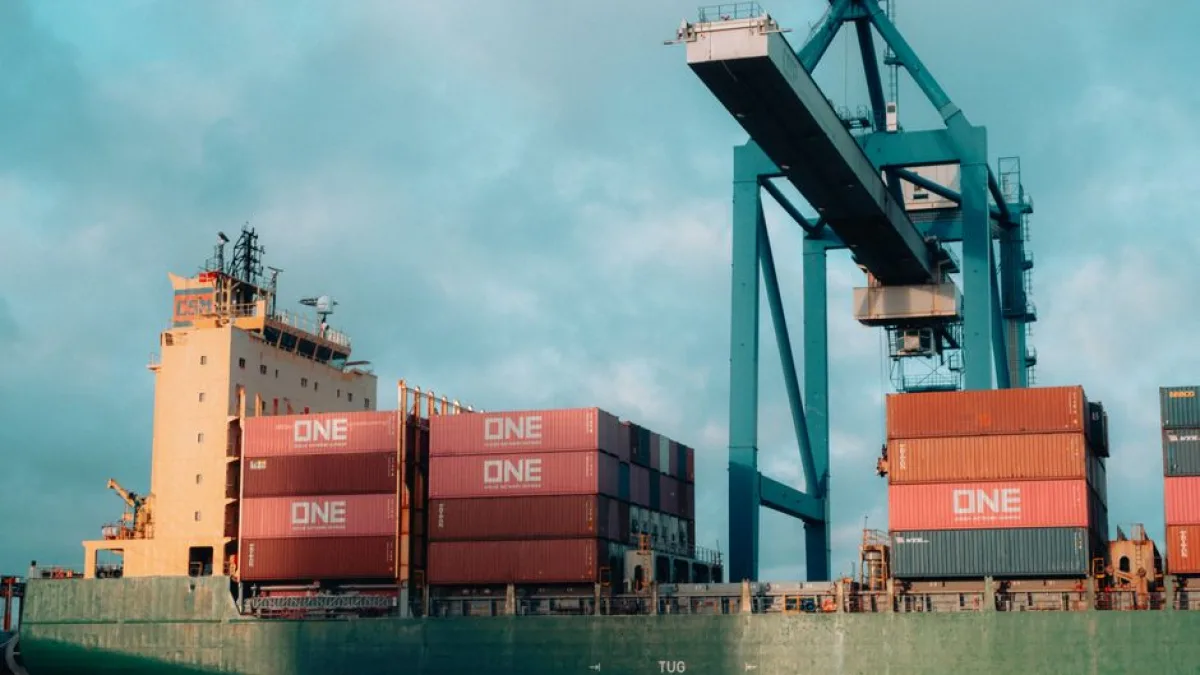
Strong partnerships with reliable carriers are the backbone of any successful freight forwarding business. Cultivating these connections involves more than just price negotiation; it requires transparent communication, consistent volume commitments, and a mutual understanding of service level requirements during peak season.
- Strategic Carrier Selection: Evaluate carrier performance based on reliability, transit times, and historical consistency rather than focusing exclusively on the lowest available market freight rates for shipments.
- Transparent Communication Channels: Establish clear protocols for information exchange to ensure that both parties understand service expectations, reducing misunderstandings regarding complex documentation or specific cargo handling needs.
- Volume Commitment Benefits: Negotiate favorable service level agreements by offering consistent shipping volumes, which often results in better priority during periods of heavy congestion or limited capacity.
- Proactive Issue Resolution: Build a collaborative framework where both parties work together to solve unexpected logistics delays, turning potential service failures into opportunities for improving long-term reliability.
Cultivating robust relationships with your carrier network pays dividends during times of industry disruption. By viewing these carriers as strategic partners rather than simple service providers, you secure better capacity and more reliable support for your clients. Maintaining these professional ties through consistent engagement and mutual accountability ensures your business stays resilient when market conditions become difficult or global shipping routes face congestion.
Streamlining Documentation Workflows

Managing global trade requires an immense amount of documentation, from bills of lading to customs clearances. Errors in paperwork lead to costly delays and potential legal liabilities, making the precision and speed of document processing a top priority for teams.
- Standardized Template Usage: Create and maintain a library of standardized templates for all common shipping documents to ensure consistency and minimize errors across your entire operations team.
- Digital Verification Checks: Implement a mandatory double-check process for all critical customs filings to identify discrepancies early, preventing administrative penalties or long-term issues with local authorities.
- Electronic Signature Integration: Utilize secure digital signature platforms to expedite document authorization processes, reducing the time spent waiting for physical paperwork to be returned by overseas partners.
- Cloud Storage Security: Store all regulatory and commercial documents in secure cloud repositories with strict access controls to ensure data integrity and compliance with international trade laws.
Effective documentation management is the final frontier in operational efficiency for modern forwarders. By digitizing and standardizing how you handle paperwork, you significantly reduce the risk of human error that typically leads to port detentions or fines. Investing in these streamlined workflows creates a smoother experience for both your internal staff and your external clients, ultimately building trust through reliable execution and compliance.
Enhancing Customer Visibility

Today's shippers expect total visibility into their cargo journey, demanding instant access to location data and milestone updates. Providing this high level of transparency is a critical differentiator that fosters customer loyalty and reduces the frequency of inbound status queries.
- Customer Portal Access: Provide clients with a secure, personalized portal where they can view live tracking data, retrieve historical documents, and download invoices at their own convenience.
- Automated Milestone Alerts: Configure your system to send proactive status updates triggered by shipment milestones, keeping customers informed without requiring manual intervention from your account management staff.
- Personalized Reporting Dashboards: Offer key accounts custom dashboards that highlight the specific metrics they care about most, providing an extra layer of value that reinforces the partnership.
- Responsive Support Channels: Combine high-tech tracking solutions with human-led support teams to ensure that when exceptions occur, customers receive empathetic and quick resolutions to their immediate problems.
Transparent communication is the cornerstone of modern customer service in the freight industry. When you offer clients real-time visibility, you empower them to manage their own supply chains more effectively while reducing your own administrative burden. This proactive approach to data sharing shifts the focus from reactive firefighting to strategic planning, solidifying your reputation as a forward-thinking partner capable of delivering excellence every time.
Conclusion

Mastering the complexities of freight forwarding requires a balanced approach to technology, relationships, and operational process. By focusing on digital integration, strong carrier partnerships, accurate documentation, and transparent customer reporting, you position your firm for long-term success. Evaluate your current systems today to identify areas for improvement, and continue refining these strategies to maintain a significant competitive edge in the global logistics market.