Essential Strategies for Optimising Modern Freight Forwarding Operations
Thursday, August 20 2026

The global logistics landscape is undergoing a massive transformation driven by rapid technological advancements and shifting trade requirements. For freight forwarders, staying competitive means moving beyond traditional manual processes and embracing digital solutions that enhance transparency, efficiency, and customer satisfaction. By adopting a proactive stance toward workflow automation and real-time data management, firms can navigate complex supply chain disruptions with greater agility. This article outlines key best practices designed to help your freight forwarding business streamline operations, improve service delivery, and build long-term resilience in an increasingly volatile market environment. Success now depends on your ability to innovate consistently.
Streamlining Document Management

Managing heavy stacks of physical documentation remains a major hurdle for many logistics providers today. Transitioning to a centralized digital repository allows your team to retrieve critical shipping manifests and customs forms instantly, drastically reducing errors and saving valuable time daily.
- Centralized Cloud Storage: Migrate your entire filing system to a secure cloud platform to ensure that all team members can access up-to-date documentation from any global location.
- Automated Data Entry: Utilize smart extraction tools to pull information directly from commercial invoices and packing lists to eliminate tedious manual input and associated human typing errors.
- Version Control Systems: Implement robust tracking protocols for document updates so that every stakeholder works from the most current version of a contract or manifest file.
- Encrypted Digital Sharing: Enhance your security posture by using encrypted platforms for client communications, protecting sensitive shipping data from unauthorized access or potential digital cyber threats.
By moving away from paper-based legacy systems, you foster a more organized and compliant operation. This digital shift not only cuts down on physical storage costs but also speeds up communication with customs authorities and clients. As your documents become more accessible and transparent, your operational throughput will naturally increase, providing a solid foundation for scaling your business in a highly demanding international logistics environment.
Leveraging Real-Time Cargo Tracking
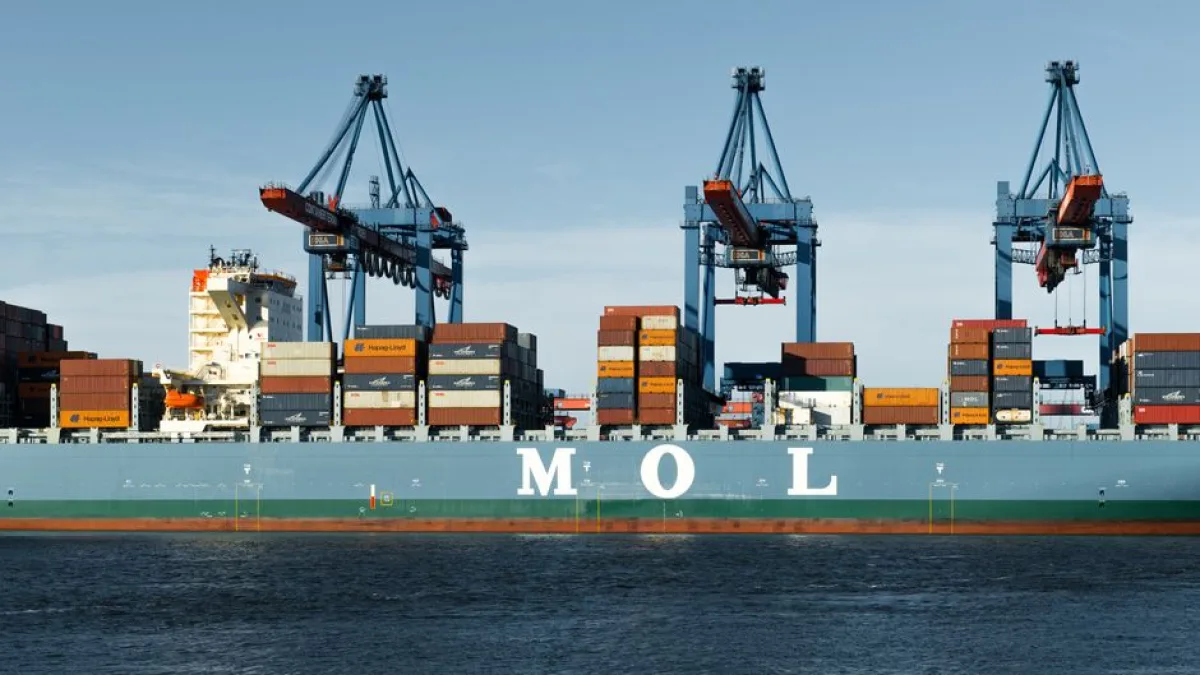
Clients demand complete visibility throughout the entire shipping lifecycle. Providing real-time updates through your platform transforms the customer experience, moving the relationship from transactional interactions to a true strategic partnership built on reliable information and proactive communication flows.
- Integrated API Feeds: Connect your software directly to carrier systems to push live location updates automatically, providing your clients with precise arrival estimations and departure timeframes.
- Proactive Milestone Alerts: Configure automated notifications for key transit events so that customers receive updates as soon as cargo reaches a port or clears customs.
- Dashboard Visibility Tools: Create custom client portals that display active shipments on interactive maps, giving stakeholders a birds-eye view of their logistics movements without calling.
- Exception Management Features: Design custom alerts for cargo delays or rerouting events, allowing your support team to resolve potential issues before they escalate into major problems.
Visibility serves as the ultimate differentiator in the modern freight market. When clients know exactly where their cargo is at all times, trust increases significantly and your internal workload related to status queries decreases. Investing in robust tracking technology ensures that you remain a top-tier service provider, keeping your customers informed and content even when unforeseen events occur during the complex transit process.
Enhancing Communication With Stakeholders

Effective communication bridges the gap between complexity and clarity in global shipping. Establishing standard protocols for internal and external correspondence prevents information silos, ensuring every agent, carrier, and shipper remains perfectly aligned throughout the entire duration of the booking lifecycle.
- Unified Messaging Platforms: Consolidate all shipment-related chats into one single interface to prevent critical information from being buried in private emails or disparate team communication channels.
- Automated Status Updates: Set up triggers that send professional emails to clients, keeping them updated on billing, documentation requests, and scheduling changes without manual intervention tasks.
- Role-Based Access Control: Define clear permission levels for external partners so they view only relevant shipment details, maintaining data security while facilitating smooth collaborative workflows daily.
- Internal Task Assignment: Use internal collaboration tools to assign specific freight tasks to team members, ensuring clear accountability and progress tracking for every single customer order.
Solid communication practices reduce errors and minimize the time spent clarifying shipment requirements. When stakeholders speak the same digital language, projects move forward without unnecessary bottlenecks or costly misinterpretations. Prioritizing clear, consistent, and centralized updates will enhance your reputation as a reliable forwarder, turning satisfied customers into loyal, long-term partners who appreciate your commitment to transparency and high operational service standards.
Optimising Carrier Selection Processes

Selecting the right carriers is vital for maintaining margins and service levels. By using data-driven insights to evaluate carrier performance, you make informed decisions that balance cost, reliability, and transit speed, ensuring the best outcomes for your clients and your business bottom line.
- Performance Analytics Dashboards: Track historical carrier performance metrics like transit consistency and billing accuracy to help your procurement team negotiate better rates and service level agreements.
- Dynamic Rate Management: Employ automated software to compare multiple carrier quotes side-by-side in real-time, allowing you to select the most cost-effective shipping option for every route.
- Compliance Monitoring Tools: Keep digital records of all necessary insurance and licensing documents for your carriers to ensure you only partner with fully vetted and compliant logistics.
- Strategic Capacity Planning: Analyze seasonal shipping trends to anticipate carrier shortages, enabling you to book space in advance during peak periods to maintain consistent service flow.
Strategic carrier management directly influences your profitability and service quality. Instead of relying on guesswork, base your selections on hard data and performance histories to minimize risks. This approach simplifies the booking phase, protects your profit margins against sudden market fluctuations, and helps you deliver consistent value. Mastering your carrier relationships is essential for building a scalable and highly profitable logistics enterprise.
Conclusion

Adopting these best practices will empower your freight forwarding business to thrive in a competitive market. By focusing on document digitisation, visibility, clear communication, and data-driven carrier selection, you create an efficient foundation for sustainable growth. Start integrating these strategies into your daily operations today to drive better performance, increase client satisfaction, and secure your place as a leader in the global logistics industry.