Essential Strategies to Modernize Your Freight Forwarding Operations
Friday, October 23 2026

In an era where global trade moves at breakneck speeds, freight forwarders must abandon legacy manual processes to remain competitive in a volatile market. Digital transformation is no longer a luxury but a fundamental necessity for logistics providers aiming to scale operations efficiently. By leveraging cloud-based platforms, forwarders can gain real-time visibility, enhance client communication, and significantly reduce administrative burdens. This article explores actionable strategies designed to help your logistics business optimize workflows, improve accuracy in documentation, and foster stronger partnerships with carriers and shippers alike. Modernize your operations today to secure a resilient future in the global supply chain landscape.
Leveraging Cloud Connectivity
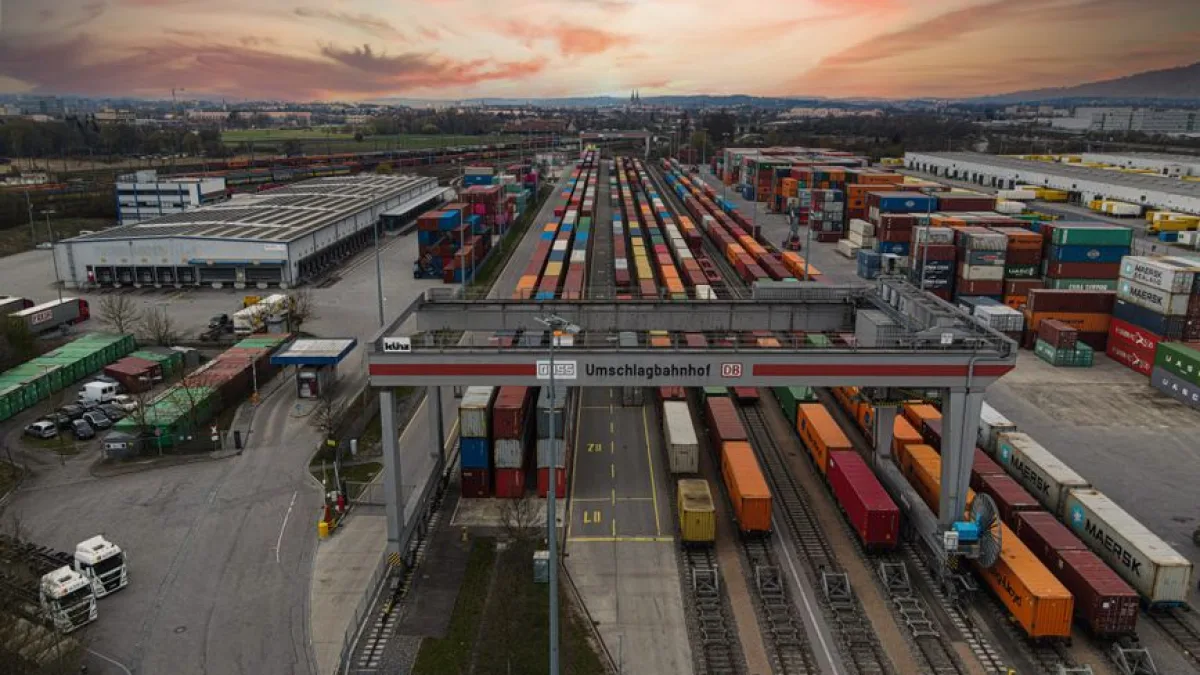
Digital connectivity remains the backbone of contemporary freight management systems. Moving your infrastructure to the cloud allows teams to collaborate from any location while ensuring that every stakeholder accesses a single source of truth for critical shipment data at all times.
- Real-time data sharing: Cloud platforms enable seamless synchronization between your team and global partners, ensuring that shipment status updates are accurate and available to clients without unnecessary manual email ping-pong.
- Enhanced system scalability: Cloud software allows your business to grow without the need for expensive hardware upgrades or complex IT infrastructure maintenance, keeping your operational costs lean and manageable.
- Improved document accessibility: Centralized digital repositories allow authorized users to retrieve shipping documents instantly, reducing delays caused by lost paperwork and ensuring compliance with international trade regulations across all borders.
- Automated task workflows: Modern platforms handle repetitive administrative actions, freeing up your logistics staff to focus on strategic client relationship management and solving complex supply chain issues as they arise.
Adopting cloud-based tools transforms how you interact with global logistics networks. By centralizing your data architecture, you eliminate silos that frequently hinder decision-making processes. Your team gains the ability to react faster to sudden disruptions, providing a superior service level that clients expect in modern trade. Embracing this shift is the first step toward building a truly agile and responsive logistics enterprise for tomorrow.
Automating Financial Workflows

Financial friction often slows down the entire shipping process. Implementing automated billing and accounting features within your platform reduces errors, speeds up cash cycles, and ensures that every invoice reflects current market rates and accurate tariff calculations for every shipment.
- Instant invoice generation: Automated systems pull data directly from shipments to create precise invoices immediately upon completion, drastically reducing the time spent on manual data entry and accounting tasks.
- Seamless payment tracking: Integrated financial modules provide a clear view of receivables and payables, helping your team identify outstanding balances quickly and maintain healthy cash flow for your firm.
- Error reduction strategies: By removing manual input from the billing loop, you minimize the risk of human errors that lead to costly discrepancies, customer disputes, and significant delays in settlements.
- Standardized cost management: Unified accounting tools ensure that all branch offices use consistent pricing structures and tax calculations, simplifying financial reporting and audits across your entire company structure.
Precision in financial operations dictates your long term profitability and professional reputation. When you minimize the time spent on manual reconciliation, you empower your finance department to focus on strategic planning and margin analysis. Automated systems provide the clarity needed to optimize your pricing strategies and negotiate better terms with carriers. Invest in these digital financial solutions to achieve consistent growth and stability.
Enhancing Shipment Visibility

Visibility acts as the currency of trust in the freight industry today. Providing your clients with granular tracking capabilities for their cargo fosters loyalty and allows them to manage their own inventory more effectively with precise, reliable delivery estimates.
- Live tracking updates: Integrating carrier APIs ensures your platform displays real-time milestones for every shipment, enabling proactive notifications that keep clients informed long before they even ask for status.
- Proactive exception management: Advanced visibility tools identify potential delays early, allowing your team to inform clients and arrange alternative solutions before small issues escalate into major operational disasters.
- Predictive analytics capabilities: Using historical tracking data allows you to analyze carrier performance and transit times, helping you offer better, more reliable routing options to your most demanding shippers.
- Customized client dashboards: Offering personalized web portals for your customers strengthens your brand and provides a self-service experience that reduces the volume of status inquiries handled by staff.
True visibility goes beyond simple tracking numbers. It involves delivering actionable insights that help your customers manage their supply chains with total confidence. By offering transparency, you position your firm as an essential partner rather than just a service vendor. This commitment to openness builds the deep trust required to secure long-term service contracts and differentiate your brand from competitors in crowded markets.
Prioritizing Cyber Security

Protecting sensitive cargo data and financial records is paramount in an increasingly digital world. As logistics operations move online, robust cybersecurity measures protect your intellectual property and maintain the vital trust established with international clients and strategic global shipping partners.
- Data encryption standards: Implementing end-to-end encryption for all transmitted information ensures that your client records and proprietary operational data remain inaccessible to unauthorized parties during any digital transfer process.
- Regular system audits: Conducting periodic reviews of your software security protocols helps identify potential vulnerabilities, allowing your IT team to patch gaps before they can be exploited by threats.
- Employee training programs: Educating your workforce on the latest phishing tactics and cybersecurity best practices creates a human firewall that is essential for preventing unauthorized system access or breaches.
- Backup recovery plans: Establishing consistent, off-site data backups ensures that your business can recover rapidly from cyber incidents, minimizing downtime and protecting your operational continuity in all circumstances.
Security is the foundation upon which digital growth is built. Neglecting these protections can result in catastrophic losses of both data and reputation, making it difficult to recover your market position. By investing in comprehensive security frameworks, you show your clients that their information is safe. This commitment is a powerful sales tool that reassures partners while securing your long-term operational integrity.
Conclusion

Modernizing your freight forwarding business is a journey that yields significant long-term rewards for your entire organization. By implementing cloud technology, automating financial tasks, increasing visibility, and prioritizing security, you create a robust framework for sustained success. Start by auditing your current processes today to identify which areas offer the most immediate impact. Contact the MakeCargo team to learn how our platform supports these goals.