The Evolution of Digital Freight Forwarding Efficiency
Wednesday, July 29 2026

The global logistics landscape is undergoing a massive transformation as freight forwarders increasingly adopt digital tools to overcome operational bottlenecks. In an era defined by volatile supply chains and heightened customer expectations, manual processes are no longer sustainable for firms aiming to scale. Technology serves as the backbone for modern operations, enabling seamless data flow between shippers, carriers, and customs authorities. By integrating cloud-based platforms, forwarders can gain real-time visibility and improve decision-making accuracy. This shift is not just about keeping pace with competitors but about redefining the standard of service excellence in a complex, fast-moving international trade environment.
Optimizing Logistics Workflows
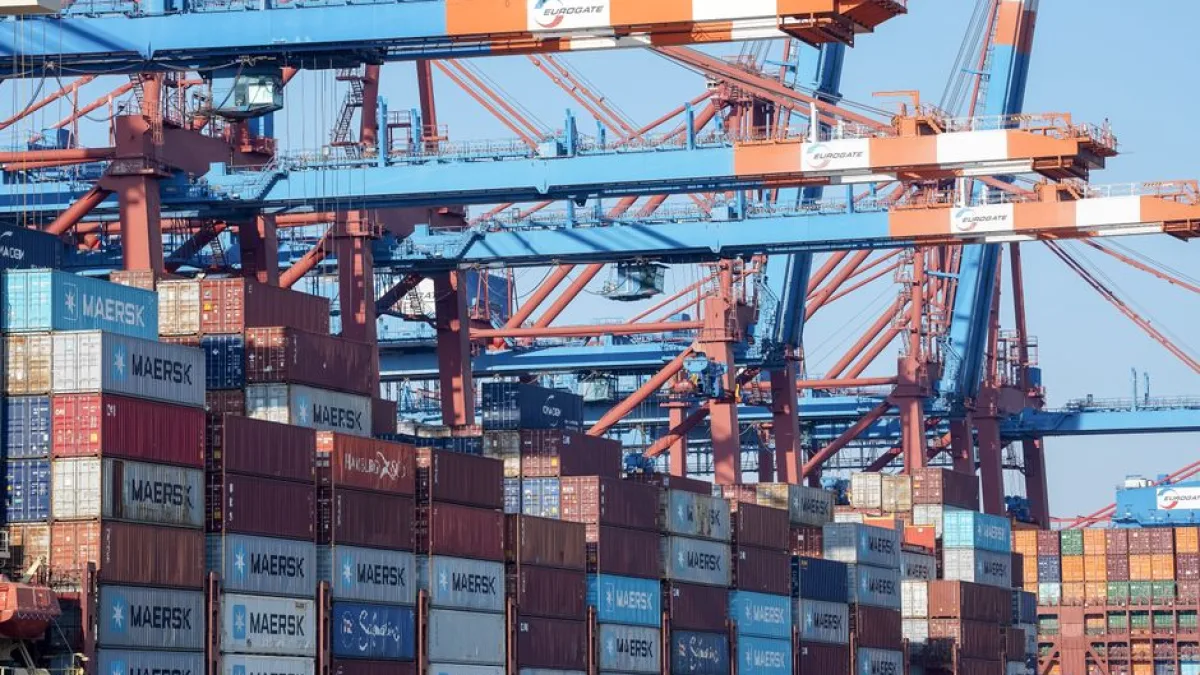
Digital transformation starts by cleaning up internal processes to eliminate manual errors and redundant data entry tasks. Streamlining these workflows ensures that your team focuses on high-value client interactions rather than getting lost in paperwork or complex spreadsheet management systems.
- Automated documentation processes: Digitizing shipping documents reduces human error while accelerating the customs clearance timeline significantly for every client transaction managed within your centralized cloud-based platform for better coordination.
- Centralized data management: Unified databases allow your staff to access critical shipment information instantly, which reduces the time spent searching through email threads or fragmented physical filing cabinets today.
- Real-time status updates: Automated notifications keep all relevant stakeholders informed about current cargo positions, which minimizes status inquiry emails and enhances the overall customer satisfaction score consistently.
- Integrated communication channels: Embedding messaging tools directly into your workflow software ensures that all interactions are documented, searchable, and audit-ready for compliance purposes throughout the entire shipping cycle.
By leveraging automated workflows, freight forwarders significantly reduce their overhead while simultaneously increasing the capacity to handle larger cargo volumes. This transition requires a cultural shift toward tech-driven thinking but pays off through higher productivity and fewer operational headaches. Ultimately, your staff spends less time chasing information and more time delivering value to your customers, which is essential for maintaining growth in the market.
Enhancing Supply Chain Transparency

Transparency is the most requested feature from modern shippers who demand total clarity regarding the movement of their goods. Providing live visibility through a digital portal empowers clients to track their shipments and manage inventory flow with great precision.
- Live tracking integration: Direct connections to carrier APIs provide instantaneous updates on vessel locations, which helps clients plan their inventory management strategies based on accurate arrival time predictions.
- Predictive delay warnings: Advanced software identifies potential disruptions before they manifest, allowing forwarders to proactively propose alternative routing solutions that keep shipments on schedule despite external environmental challenges.
- Transparent cost breakdowns: Clearly displayed pricing structures help clients understand every fee associated with their shipments, fostering trust and reducing billing disputes that often lead to damaged relationships.
- Client portal access: Offering a personalized interface where customers can view documents and statuses builds brand loyalty and saves your team from handling repetitive manual inquiry requests daily.
Visible supply chains represent a competitive advantage that separates top-tier forwarders from the rest of the pack. When customers can see exactly where their freight is at any moment, anxiety decreases and trust increases. This transparency loop is critical for maintaining long-term partnerships and securing repeat business, as reliability becomes the defining metric by which your service quality is measured every day.
Leveraging Advanced Data Analytics

Data is the most valuable asset in modern logistics, yet many firms fail to harvest the insights hidden within their shipping records. Applying analytics helps you identify trends, optimize carrier selection, and forecast future demand with much higher confidence.
- Performance metric monitoring: Tracking carrier performance over time helps you identify which partners consistently meet deadlines, ensuring that you always choose the most reliable options for clients.
- Volume trend analysis: Understanding seasonal shifts in cargo volume allows your firm to allocate resources effectively, preparing your staff for busy periods well in advance of spikes.
- Cost optimization insights: Reviewing historical shipment data uncovers opportunities for consolidation or route changes that lead to substantial savings for both your firm and your valued customers.
- Strategic business forecasting: Using past shipment patterns to predict future requirements enables smarter procurement and staffing decisions that support sustainable long-term business expansion and improved profit margins.
Turning raw data into actionable intelligence is what separates industry leaders from those struggling to survive. By implementing advanced analytics tools, your team gains a clear view of how every decision impacts the bottom line. These insights empower you to make informed, evidence-based changes to your operational strategy, ensuring that you remain agile while positioning your company for future scalability and success.
Embracing Sustainable Logistics Solutions
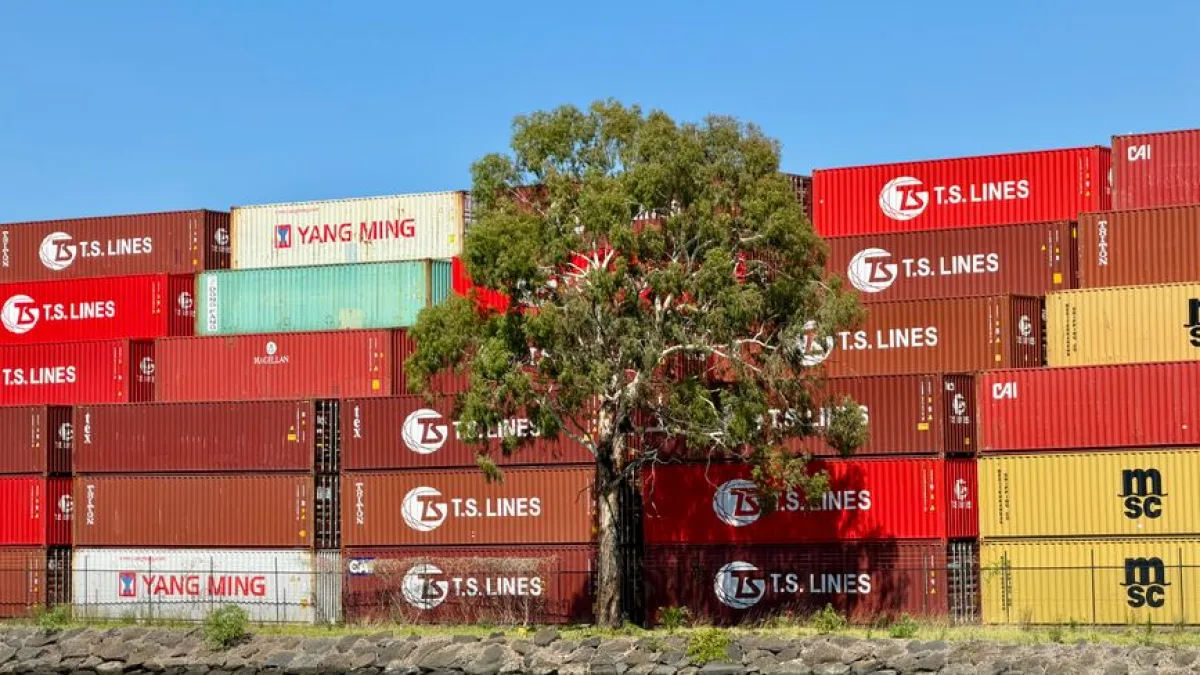
Sustainability is moving from a buzzword to a mandatory requirement for global shippers aiming to reduce their carbon footprint. Forwarders who offer eco-friendly shipping options and carbon reporting are increasingly favored by modern, environmentally conscious businesses around the world.
- Carbon emission reporting: Automated tools calculate the environmental impact of specific shipping routes, providing clients with the transparent data they need to meet their own internal sustainability goals.
- Efficient route optimization: Selecting paths that maximize vessel fill rates reduces the overall carbon output per container, which contributes directly to greener logistics operations across your network.
- Digital paperwork reduction: Eliminating physical printouts and mailing processes minimizes paper waste, making your daily administrative operations significantly more environmentally friendly while also reducing your physical office expenses.
- Partner selection criteria: Working exclusively with carriers that invest in fuel-efficient technologies allows you to offer premium, low-carbon shipping services that align with global environmental standards and regulations.
Adopting sustainable practices is no longer optional for firms that want to remain relevant in the international market. By prioritizing green logistics, you demonstrate corporate responsibility and attract high-value clients who share these essential values. This commitment to the environment serves as a powerful differentiator, helping you build a forward-thinking brand that is ready for the future of global trade.
Conclusion
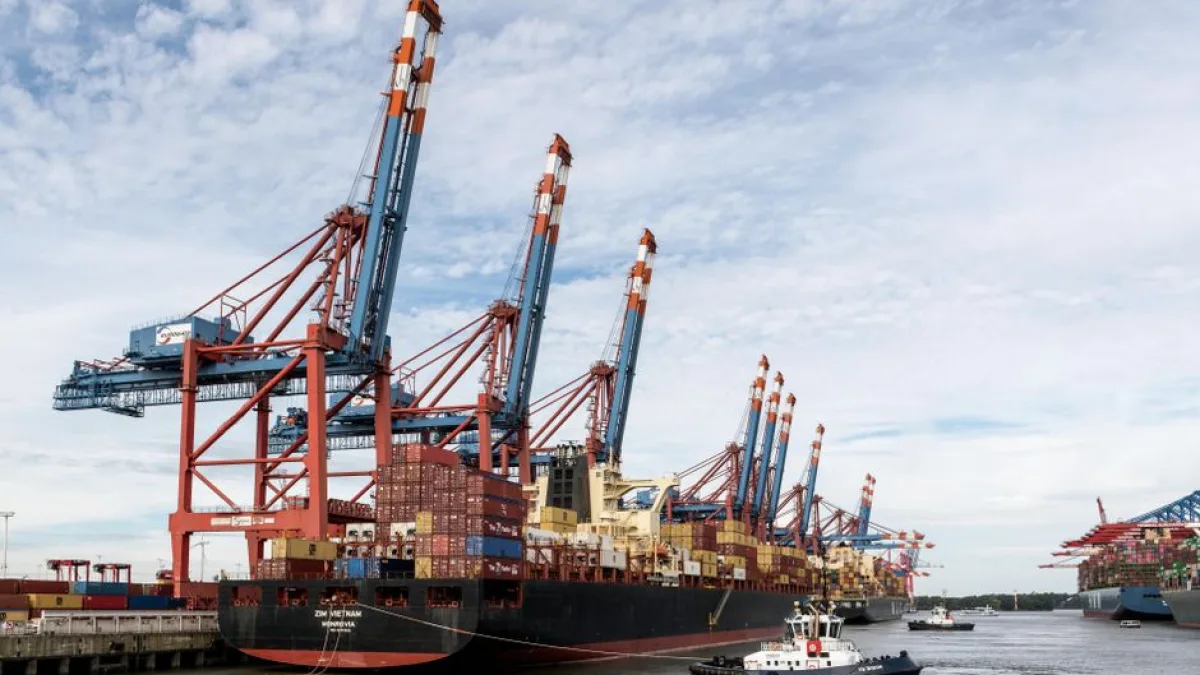
The integration of technology into freight forwarding is the key to thriving in an increasingly digital world. By prioritizing automation, transparency, data analytics, and sustainability, firms can navigate complex global trade challenges with confidence. Start optimizing your operations today by leveraging advanced cloud platforms. The future of logistics belongs to those who embrace these digital tools to drive greater efficiency and customer satisfaction.