The Future of Digital Freight Forwarding Efficiency
Tuesday, August 25 2026
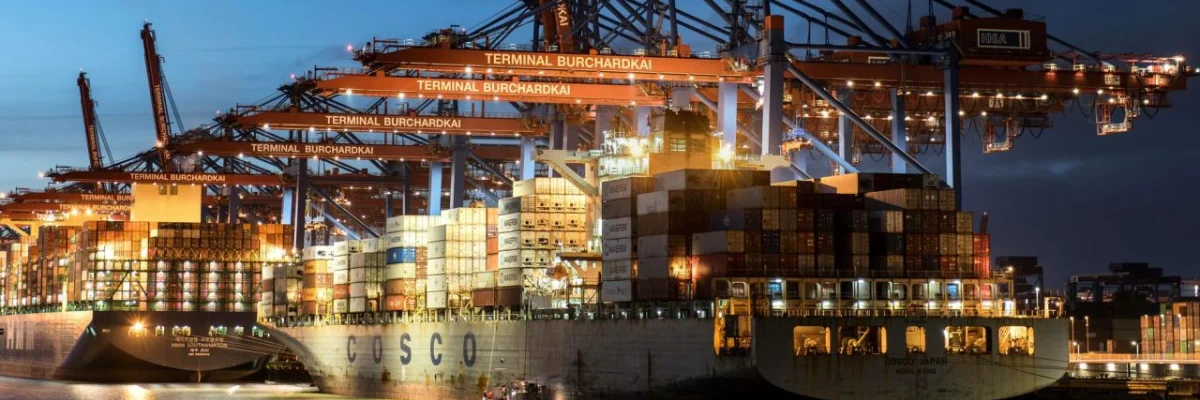
The global logistics landscape is undergoing a massive transformation driven by rapid technological adoption and changing consumer demands. Freight forwarders are increasingly moving away from manual spreadsheets and legacy systems to embrace cloud-based platforms that offer real-time visibility and automated workflows. As market volatility continues to challenge traditional supply chains, the ability to pivot and make data-driven decisions has become the defining characteristic of successful logistics enterprises. By integrating advanced software solutions, forwarders can streamline their operations, reduce human error, and provide superior service levels that meet the expectations of modern shippers in an interconnected world.
Digital Transformation Imperatives

Modern logistics operations require robust digital tools to manage complex international trade routes effectively. Embracing cloud technology allows teams to access critical shipment data from anywhere, ensuring that every stakeholder remains informed throughout the entire lifecycle of the cargo movement process.
- Real-time data synchronization: Cloud platforms enable seamless updates across all departments by ensuring that every team member views the same information simultaneously during the execution of critical logistics tasks.
- Automated documentation workflows: Reducing manual paperwork through smart automation tools saves hours of administrative labor while minimizing the risk of errors that often lead to costly shipping delays globally.
- Enhanced shipment visibility: Tracking cargo across multiple carriers becomes significantly easier when all status updates and milestone events are consolidated into a single, user-friendly digital interface for users.
- Scalable cloud infrastructure: Forwarding companies can grow their business operations without the need for massive hardware investments by leveraging flexible software solutions that adapt to changing volume requirements.
Transitioning to digital platforms is no longer a luxury but a fundamental necessity for companies aiming to survive current market pressures. By centralizing operations, organizations eliminate silos that impede productivity and prevent teams from delivering optimal results. The shift toward these integrated systems ensures that forwarders stay competitive while providing high levels of transparency and reliability to their clients throughout every stage of transport.
Optimizing Supply Chain Visibility
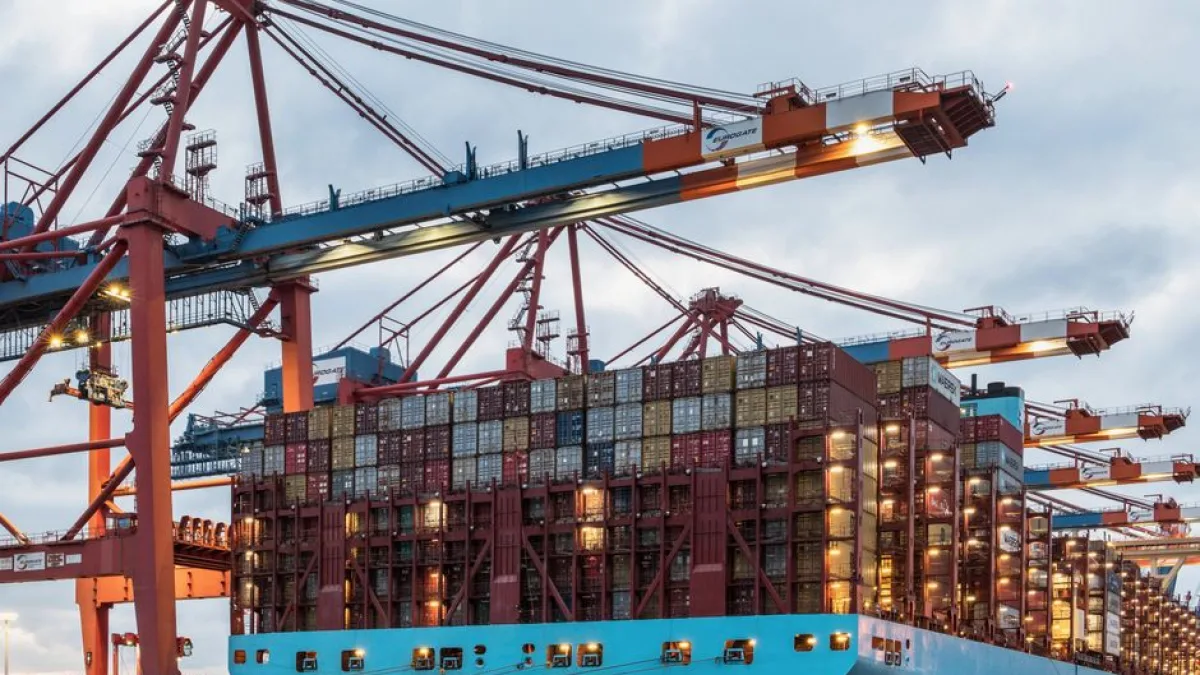
Transparency acts as the cornerstone of trust between freight forwarders and their customers. Providing clients with accurate, live tracking data helps build long-term partnerships while allowing shippers to manage their inventory levels with greater confidence and much improved operational accuracy.
- Live tracking updates: Providing clients with instant access to their cargo location builds lasting confidence and allows them to plan their own downstream activities with high precision today.
- Proactive exception management: Advanced software identifies potential disruptions early so that your team can implement alternative routing plans before small issues escalate into major delivery failures for clients.
- Integrated communication portals: Removing email clutter improves response times and ensures that all shipping instructions are stored securely in one location for future audits or client inquiries.
- Dynamic route optimization: Smart algorithms suggest the most cost-effective routes based on current port congestion data and vessel schedules, helping firms save money while improving service speed.
Visibility is the primary driver of customer satisfaction in modern logistics markets. When shippers know exactly where their goods are, they can optimize their internal processes to match arrival times perfectly. Implementing a comprehensive visibility strategy allows forwarders to move beyond simple point-to-point transport providers and evolve into strategic partners that add genuine value to their clients supply chain networks globally.
Automating Financial Workflow Processes

Managing billing and payments remains a significant pain point for many forwarding agencies. Automating these financial processes ensures faster invoicing cycles, improved cash flow, and a drastic reduction in the time spent manually reconciling complex account statements with partner carriers.
- Automated invoice generation: Generating accurate shipping invoices immediately upon milestone completion ensures that accounts receivable stay healthy and improves overall cash flow for the entire company organization.
- Simplified payment reconciliation: Matching incoming payments against specific ledger entries becomes effortless with automated accounting modules that verify each transaction detail without requiring tedious manual data entry tasks.
- Currency management tools: Handling international payments in various currencies is simplified through built-in exchange rate updates, ensuring that profit margins remain protected against sudden market fluctuations daily.
- Digital audit trails: Keeping an immutable record of all financial transactions assists with compliance requirements and makes end-of-year tax reporting a much simpler process for every business.
Financial automation is essential for scaling operations without expanding the back office team. By automating routine accounting tasks, employees can focus on high-value activities such as client management and strategic growth initiatives. This systematic approach to financial health prevents revenue leakage and ensures that your company maintains a strong competitive position while operating with maximum efficiency throughout the entire fiscal year cycle.
Strategic Data Driven Decision Making

Data is the most valuable asset in the modern freight industry. By analyzing performance trends, forwarders can identify bottlenecks, evaluate carrier performance, and make informed choices that significantly enhance profitability while keeping operational costs under control throughout the entire year.
- Performance metric analysis: Reviewing key performance indicators regularly allows leadership teams to pinpoint areas of inefficiency and implement corrective actions that boost overall productivity across all active branches.
- Carrier performance reviews: Comparing carrier rates against actual transit times helps you select the best partners for future shipments, ensuring your clients always receive reliable and timely services.
- Predictive market forecasting: Identifying seasonal trends in shipping volumes enables your team to prepare resources in advance, ensuring you are never caught off guard by sudden spikes.
- Custom report generation: Creating tailored dashboards for your clients demonstrates professional value and helps you stand out as a data-centric leader in a crowded logistics marketplace.
Data-driven decision making separates industry leaders from average operators in the freight sector. By turning raw numbers into actionable business intelligence, you empower your staff to act with precision and confidence every day. Consistent analysis of your operations leads to continuous improvement, which is vital for long-term success in the volatile world of international freight forwarding, ensuring your growth remains sustainable and secure.
Conclusion

The future of freight forwarding rests on the successful integration of smart technology into every operational layer. By digitizing workflows, prioritizing visibility, and utilizing data for decision making, forwarders can elevate their service standards and thrive in an increasingly complex global trade environment. Take the first step toward transforming your logistics business today by choosing a software partner that supports your vision.