Navigating the Future of Digital Freight Forwarding Efficiency
Saturday, October 31 2026
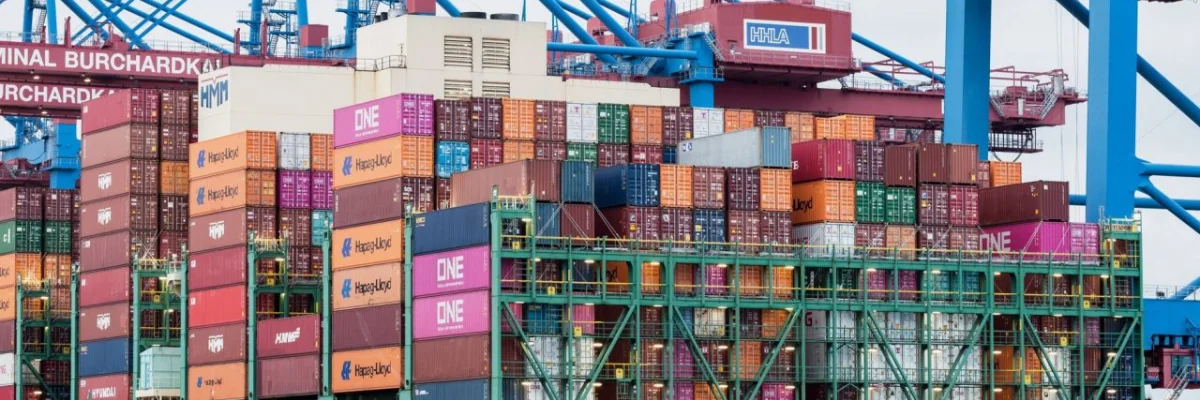
The global logistics landscape is undergoing a profound transformation as technology reshapes traditional shipping workflows. Freight forwarders are increasingly moving away from manual, paper-based processes toward integrated digital platforms that offer real-time visibility and automated documentation. This evolution is not merely a trend but a strategic necessity for companies aiming to remain competitive in a volatile international market. By leveraging cloud-based solutions, forwarders can enhance collaboration across supply chain partners, reduce operational bottlenecks, and provide a superior experience for their customers. Staying informed about these advancements is essential for professionals dedicated to operational excellence and sustainable growth in modern logistics.
Optimizing Warehouse Operations

Modern warehousing requires high levels of precision to manage inventory effectively and minimize costly delays. By integrating digital tracking systems, freight forwarders ensure that every movement within the facility is monitored and optimized for maximum speed and accuracy during distribution.
- Automated inventory management: Real-time tracking reduces manual input errors and provides accurate stock levels, allowing teams to manage high volumes of cargo with confidence and significantly improved reliability levels.
- Streamlined picking workflows: Advanced algorithms prioritize task execution, enabling staff to locate and retrieve items faster while reducing physical travel time within large and complex storage facility environments.
- Enhanced floor space: Intelligent software suggests optimal storage configurations based on item velocity, ensuring that high-demand goods remain accessible while maximizing the utility of existing warehouse square footage.
- Data-driven insight reports: Detailed analytics provide actionable feedback on facility performance, helping managers identify persistent bottlenecks and implement effective solutions that increase overall throughput for every shipment handled.
Transforming warehouse operations through software integration is a critical step for forwarders seeking to scale their logistics footprint. By eliminating manual data entry, your staff can focus on high-value tasks that drive revenue rather than getting stuck in administrative processes. These technological shifts create a foundation for long-term scalability and operational resilience, ensuring that your business remains capable of handling complex cargo demands with total consistency.
Leveraging Real-Time Visibility
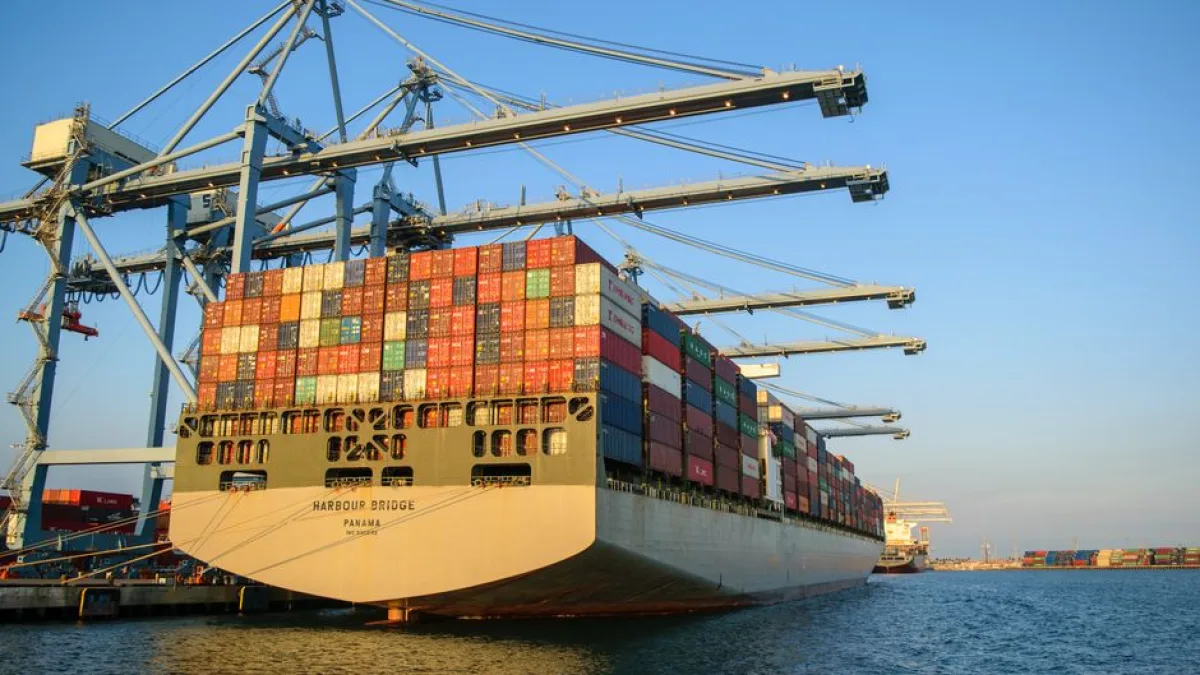
Visibility is the backbone of trust in international shipping. Providing clients with live tracking capabilities transforms the customer experience, turning once stressful updates into a transparent, predictable process that highlights the value of your freight forwarding services.
- Live tracking portals: Providing customers with instant access to their cargo status reduces the volume of repetitive status update inquiries, allowing your support team to handle urgent issues.
- Predictive delay alerts: Automated notifications warn clients of potential route disruptions or vessel delays before they become critical, building professional trust through proactive and timely communication strategies.
- Geolocation monitoring tools: Precise location data helps forwarders manage expectations regarding arrival times, ensuring that downstream partners can plan their operations around accurate and verifiable ship movement milestones.
- Mobile accessibility features: Enabling stakeholders to track shipments from any location ensures that critical information is always available, even when staff are working away from their desks.
Achieving total visibility throughout the supply chain is no longer an optional feature but an industry standard. Forwarders who adopt these tools quickly distinguish themselves from competitors by offering superior transparency and control. As your digital capabilities expand, you will find that managing complex global shipments becomes much easier, allowing your team to proactively resolve problems before they impact the end customer.
Automating Documentation Processes

Documentation remains one of the most time-consuming aspects of freight forwarding, often leading to human error and compliance issues. Implementing automated systems streamlines the creation and submission of vital shipping paperwork, ensuring accuracy and regulatory adherence across every border.
- Template driven generation: Standardized digital forms eliminate the need for manual data entry, ensuring that every document remains consistent and compliant with international shipping regulations and laws.
- Cloud based storage: Secure online repositories allow teams to access critical files from anywhere, ensuring that documentation is always ready for customs audits or client requests.
- Electronic signatures integration: Moving to paperless workflows accelerates approval cycles, allowing forwarders to finalize contracts and shipping instructions in minutes rather than days of waiting for mail.
- Compliance validation checks: Built-in software features cross-reference documents against changing trade requirements, flagging potential errors before submission to customs authorities to prevent expensive fines or border delays.
By automating the document lifecycle, forwarders drastically reduce their administrative overhead and minimize the risk of costly cargo rejection at ports. This digital-first approach ensures that your team remains compliant while freeing up time to focus on strategic client relationship management. Investing in these automation tools today positions your organization to handle increasing global trade volumes with greater agility and much higher accuracy.
Scaling Through Cloud Integration

Cloud integration acts as a force multiplier for freight forwarders looking to grow their reach and service capacity. Moving infrastructure to the cloud facilitates seamless collaboration across global offices and ensures that all stakeholders work from a single source of data truth.
- Unified data platforms: Centralized systems ensure that all team members access the same information simultaneously, eliminating the confusion caused by disconnected databases and conflicting spreadsheet versions.
- Scalable server capacity: Cloud solutions grow alongside your company, providing the extra processing power needed to handle peak shipping seasons without requiring expensive hardware or maintenance investments.
- Cross-departmental collaboration tools: Built-in chat and task management features allow global teams to align on complex logistics projects, ensuring that no details slip through the cracks.
- Enhanced cybersecurity measures: Leading cloud providers offer advanced protection for sensitive shipping data, ensuring that your company and its clients remain safe from modern digital threats.
Scalability in the digital age requires a robust infrastructure that can adapt to changing market conditions. By leveraging cloud-based platforms, forwarders gain the flexibility needed to expand their operations without being held back by traditional hardware constraints. This strategic shift empowers your team to work smarter, collaborate more effectively, and focus on delivering excellent logistics services to a growing list of global clients.
Conclusion

The future of freight forwarding belongs to those who embrace digital integration and automated workflows. By optimizing warehouse processes, enhancing shipment visibility, and simplifying document management, forwarders can unlock significant growth opportunities. Adopting cloud-based platforms remains the most effective way to scale operations and improve service quality in a fast-paced market. Start your digital transformation journey today and position your brand for sustainable success.