Navigating the Future of Digital Freight Forwarding Efficiency
Tuesday, October 20 2026
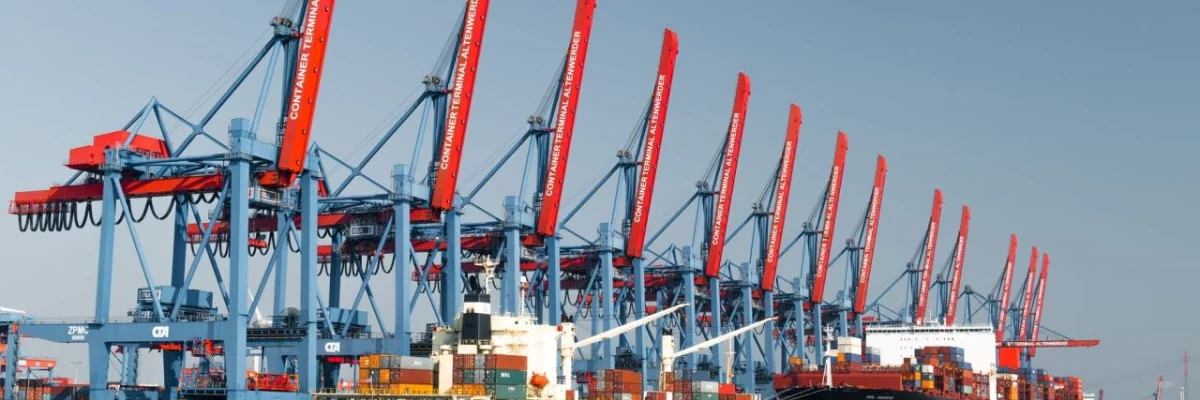
The global logistics landscape is undergoing a massive transformation driven by rapid technological adoption and the urgent need for supply chain transparency. Freight forwarders are increasingly moving away from manual, paper-heavy processes toward integrated cloud-based ecosystems. This shift is not merely about digitizing old habits but re-engineering how cargo moves across international borders. As competition intensifies and customer demands for real-time tracking escalate, professionals must leverage automated platforms to maintain operational agility. Embracing these digital tools is no longer a luxury for industry leaders; it is a critical requirement for maintaining profitability and scalability in an evolving global market.
Optimizing Warehouse Operations

Modern warehousing requires high levels of precision to ensure that inventory flow remains consistent and accurate. By integrating cloud technology with physical storage systems, forwarders can significantly reduce handling errors while increasing the total speed of cargo throughput during busy seasonal cycles.
- Automated inventory tracking: Implementing real time sensor technology allows managers to monitor stock levels instantly, ensuring that all movements are recorded accurately without the need for repetitive manual data entries.
- Streamlined picking processes: Digital platforms assist staff by creating optimized paths through the warehouse, which reduces the time spent on every task while minimizing physical strain on the labor team.
- Real time reporting: Accessing live dashboards provides decision makers with immediate visibility into current capacity, enabling them to adjust their strategies quickly based on changing daily warehouse activity levels.
- Scalable storage solutions: Utilizing flexible cloud infrastructure helps companies adapt to sudden increases in cargo volumes, ensuring they can handle seasonal spikes without compromising the speed of their operations.
As the demand for faster shipping continues to grow, companies that prioritize warehouse efficiency gain a distinct competitive edge. By reducing waste and improving worker productivity through advanced software integration, businesses can ensure they meet customer expectations every time. Consistent investment in these digital tools ensures that warehouse teams remain agile, ready to tackle the complex logistical challenges of an increasingly globalized shipping industry.
Digital Documentation Management
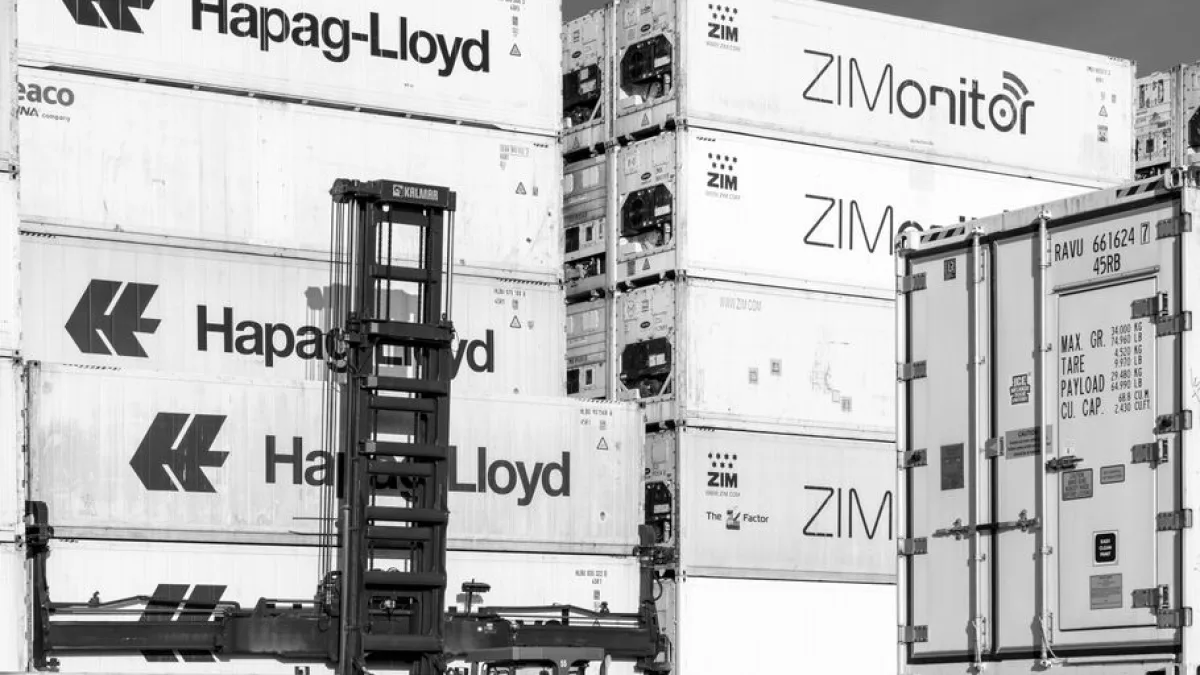
Managing complex shipping documents manually often leads to bottlenecks, errors, and significant delays. Digital document management systems enable forwarders to centralize all regulatory paperwork, ensuring compliance while speeding up customs clearance processes through secure, cloud-based data storage and automated verification workflows.
- Centralized data repositories: Bringing all shipping documents into a single digital location eliminates the risks of lost files and provides teams with instant access to necessary regulatory records.
- Automated compliance checks: Intelligent software scans every document for potential errors or missing information, flagging issues before they result in costly customs hold-ups or severe regulatory penalties.
- Secure document sharing: Encrypted cloud platforms allow for the safe exchange of sensitive information between international partners and customers, maintaining confidentiality while speeding up the overall shipping process.
- Version control systems: Automated tracking ensures that every stakeholder works on the most recent document version, preventing confusion and maintaining a clear audit trail for every single shipment.
Transitioning away from paper files represents a vital step toward achieving full operational transparency. By automating document workflows, forwarders can significantly lower their administrative overhead while reducing the potential for human error. These improvements foster stronger relationships with customs authorities and clients alike, building a foundation of trust that is essential for long-term growth and success within the complex international freight industry.
Enhancing Real Time Visibility

Clients now demand instant visibility into the exact location of their shipments throughout the entire journey. Cloud-based freight forwarding software provides the necessary tools to track cargo movements from origin to destination, keeping stakeholders informed and drastically reducing customer service inquiries.
- Live GPS tracking: Integrating satellite data into your platform provides stakeholders with precise updates on vessel or truck locations, ensuring everyone knows where the cargo is at all times.
- Automated status alerts: Configure the software to send instant notifications whenever a shipment reaches a major milestone, keeping customers fully updated without requiring manual email or phone updates.
- Interactive client portals: Providing customers with secure access to their own shipment data empowers them to monitor status updates independently, which significantly reduces the volume of support tickets.
- Exception management tools: Identify delays or transit deviations early through real time monitoring, allowing logistics teams to implement contingency plans before the cargo is severely delayed at ports.
Achieving total transparency creates a superior customer experience that drives loyalty and repeat business. When forwarders can proactively communicate potential delays and provide accurate arrival times, they transform the shipping process into a reliable service rather than a source of stress. Investing in visibility tools ensures that your firm remains at the forefront of client satisfaction within this highly competitive, fast-paced logistics market.
Strengthening Global Supply Chains

Collaborative technology bridges the gap between disconnected logistics partners across the globe. By using a unified digital platform, freight forwarders can effectively manage complex supply chain networks, ensuring seamless communication and coordination between agents, carriers, and end customers regardless of their physical location.
- Seamless partner collaboration: Unified software platforms allow different companies to share vital shipment data securely, fostering a culture of teamwork that improves overall performance and delivery time targets.
- Integrated carrier messaging: Facilitating direct communication between software systems ensures that carrier updates are ingested automatically, preventing data silos that often lead to misunderstandings or costly transit delays.
- Optimized routing decisions: Advanced analytics help managers analyze historical performance data to select the most efficient carriers, resulting in lower shipping costs and more reliable delivery timeframes throughout.
- Enhanced risk mitigation: Digital platforms enable teams to identify potential supply chain vulnerabilities early, allowing for proactive adjustments that protect against global disruptions or unforeseen local market challenges.
Creating a connected network is essential for companies aiming to thrive in the modern international market. By leveraging cloud tools to harmonize the efforts of various global partners, forwarders can overcome the challenges of distance and cultural barriers. This integrated approach leads to more robust supply chains that are capable of navigating the unpredictable nature of global logistics while maintaining high performance standards.
Conclusion

The evolution of digital freight forwarding software marks a turning point for the entire industry. Forwarders who adopt cloud-based solutions today are better prepared to tackle future disruptions and changing customer expectations. By focusing on automation, visibility, and secure collaboration, professionals can unlock new levels of efficiency. Success in this sector requires an ongoing commitment to technological innovation and a drive to improve daily operations.