Navigating the Future of Digital Freight Forwarding Efficiency
Monday, November 2 2026
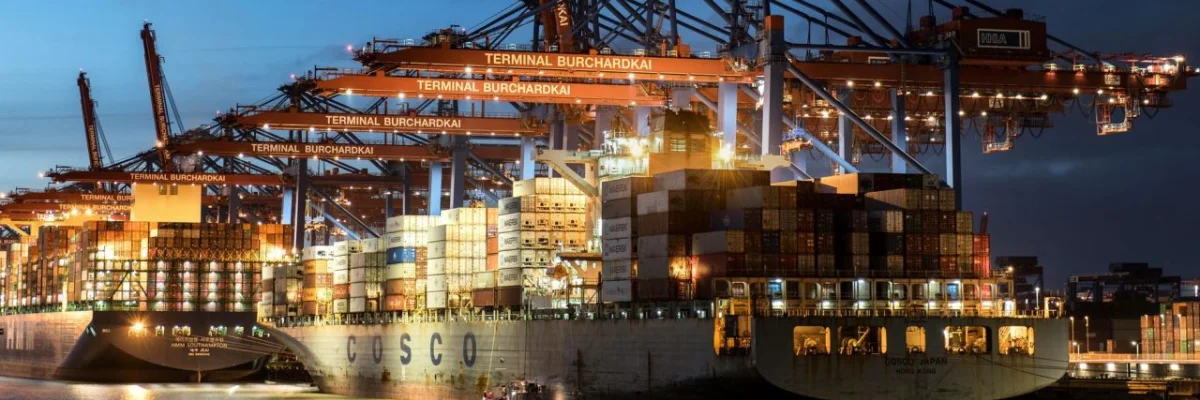
The global logistics landscape is undergoing a massive transformation driven by rapid technological adoption and changing consumer expectations. As freight forwarders face increasing pressure to provide transparency and speed, the shift toward cloud-based management platforms has become a strategic necessity rather than an optional upgrade. Companies that successfully integrate automated tools are finding significant advantages in operational accuracy and customer retention. By embracing modern digital infrastructure, freight professionals can effectively manage complex supply chain disruptions while maintaining consistent service levels for their clients. This evolution defines the new standard for competitiveness in an increasingly connected global marketplace where data is the most valuable commodity.
Modernizing Port Operations
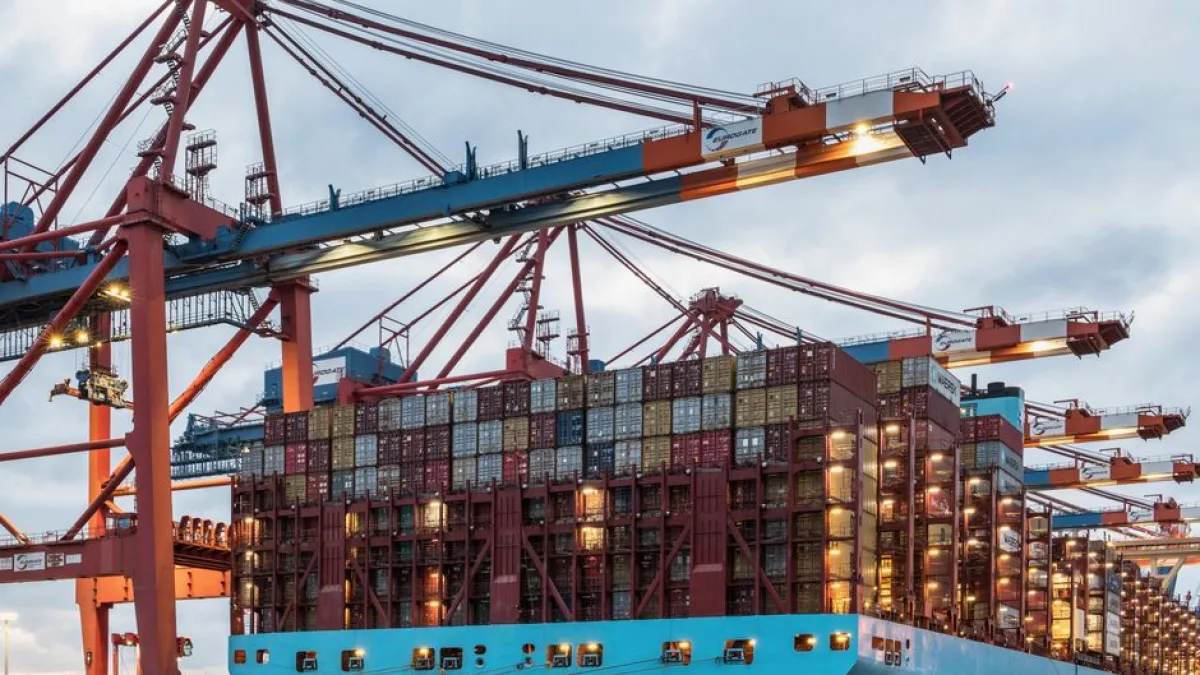
Digitalization at major ports is revolutionizing how cargo is processed and monitored throughout the transit lifecycle. These advancements ensure that freight forwarders remain informed about status updates, helping to reduce expensive delays while improving the predictability of complex maritime schedules.
- Automated Data Processing: Advanced software systems capture and validate shipping documentation automatically to reduce manual entry errors and speed up customs clearance procedures for all international cargo shipments.
- Real Time Tracking: Integrated tracking modules provide precise location updates across global transit routes, allowing logistics managers to proactively address potential delays before they impact delivery timelines.
- Streamlined Customs Filing: Digital portals simplify the submission of required regulatory declarations, ensuring that compliance requirements are met swiftly without the need for excessive physical paperwork exchanges.
- Resource Optimization Tools: Smart planning algorithms assist forwarders in allocating capacity more effectively, which ultimately lowers operational costs while maximizing the throughput of every container and shipment.
These sophisticated improvements empower logistics businesses to handle larger volumes with greater precision and confidence. By leveraging real time visibility, forwarders eliminate the guesswork often associated with port operations. This leads to a more resilient supply chain that can withstand unexpected disruptions. As technologies continue to evolve, the integration of these digital tools will remain a primary differentiator for successful freight organizations worldwide.
Cloud Infrastructure Benefits

Moving traditional operations to the cloud allows teams to collaborate seamlessly across diverse geographical regions. This centralized approach ensures that all stakeholders access current information simultaneously, eliminating the silos that previously hindered communication and caused costly misunderstandings within global logistics networks.
- Scalable Storage Solutions: Cloud platforms provide elastic capacity that grows alongside your business requirements, ensuring that your data management systems remain performant regardless of transaction volume or complexity.
- Enhanced Data Security: Enterprise grade security protocols protect sensitive shipment information from cyber threats, ensuring that client data remains safe and compliant with international privacy standards today.
- Seamless Remote Access: Team members can manage active shipments from anywhere in the world, fostering a flexible work environment that keeps operations moving regardless of individual physical locations.
- Instant Software Updates: Automated deployment cycles ensure that every user benefits from the latest features and security patches without requiring time consuming manual installations or system downtime.
Adopting cloud infrastructure is a critical step for forwarders aiming to scale their operations efficiently. This technology removes the burden of managing physical servers while providing robust reliability for critical business workflows. By utilizing these platforms, companies gain the agility to adapt to market shifts quickly. This digital foundation supports long term growth and ensures consistent service delivery for every global client.
Optimizing Shipment Visibility

Providing customers with clear visibility into their freight journey is essential for building lasting trust. Modern platforms offer intuitive dashboards that translate complex transit data into actionable insights, helping forwarders deliver superior service that keeps customers satisfied throughout the entire logistics engagement lifecycle.
- Customer Self Service: Dedicated portals empower clients to access shipment updates independently, reducing the volume of status inquiries and allowing support staff to focus on higher value tasks.
- Predictive Analytics Integration: Advanced algorithms forecast potential transit delays based on historical data patterns, enabling forwarders to offer proactive solutions to clients before issues escalate into problems.
- Automated Status Alerts: Customizable notification triggers keep all stakeholders informed about milestones, ensuring that communication remains consistent and professional throughout the duration of the entire shipping process.
- Comprehensive Reporting Tools: Detailed analytics dashboards visualize performance metrics over time, helping leadership teams identify areas for improvement and optimize their service offerings for better market results.
Visibility serves as the bedrock of a professional freight forwarding service in today's competitive landscape. By giving clients transparent access to their cargo information, businesses demonstrate reliability and technical proficiency. This high level of transparency minimizes friction and strengthens commercial relationships. As visibility requirements become standard, forwarders who prioritize these tools will continue to outperform competitors who rely on legacy methods.
Reducing Operational Complexity
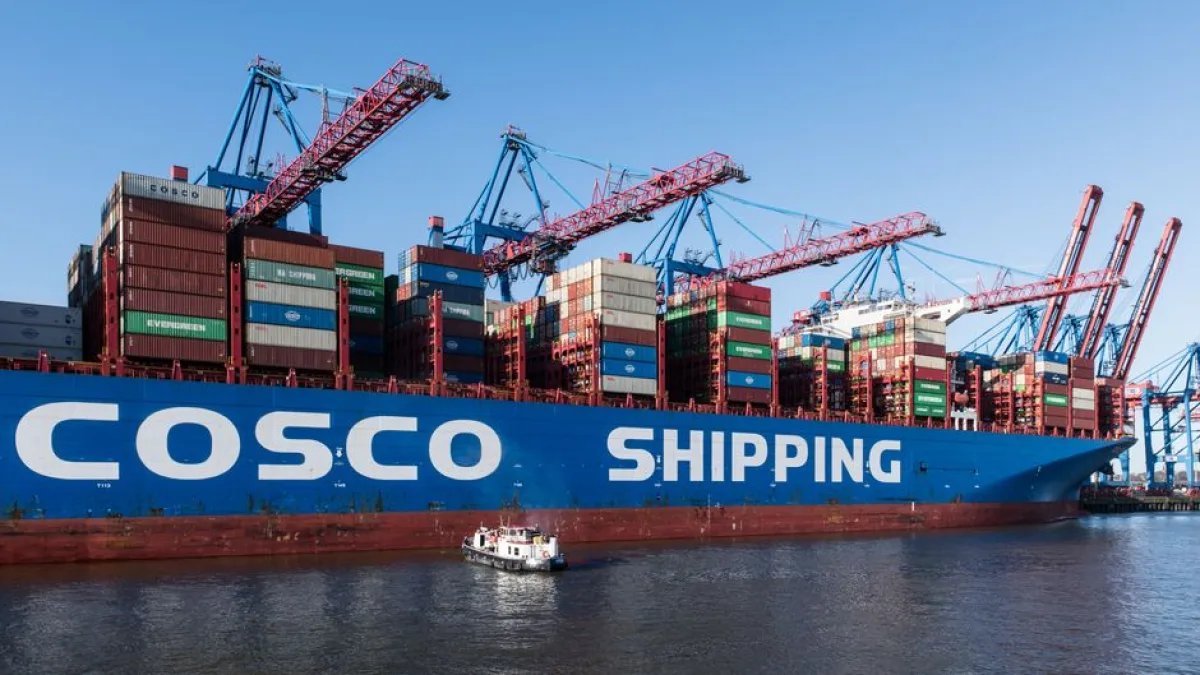
Managing the intricacies of international trade requires simplified workflows that minimize the potential for human error. By automating repetitive tasks, freight forwarders free up valuable time to focus on complex problem solving and strategic growth initiatives that drive success in the industry.
- Automated Invoice Generation: Intelligent billing systems calculate charges accurately and issue invoices promptly, which helps improve cash flow cycles and reduces the likelihood of costly manual accounting errors.
- Standardized Document Templates: Predefined document structures ensure consistency across all client files, making it easier for teams to maintain regulatory compliance and professional standards during every audit process.
- Integrated Workflow Automation: Custom logic flows handle routine tasks like email notifications or internal status changes, allowing human employees to manage exceptions rather than performing tedious repetitive duties.
- Vendor Management Portals: Centralized platforms facilitate seamless communication with carriers and subcontractors, ensuring that everyone involved in the supply chain works from a single source of truth consistently.
Simplifying complex tasks is vital for maintaining margins in a thin margin industry like freight forwarding. Automating mundane work reduces stress on staff and allows for higher service quality across the board. Companies that adopt these lean practices see immediate improvements in team morale and client satisfaction. By streamlining operations today, forwarders ensure they are well positioned for the challenges of tomorrow.
Conclusion

Digital transformation is the catalyst for future success in the freight forwarding industry. By prioritizing cloud technology and automated workflows, forwarders can enhance efficiency, visibility, and client satisfaction. These changes are not just trends but requirements for modern logistics performance. Start your journey toward a more connected future by evaluating your current software capabilities and investing in the tools that drive real results today.