The Future of Freight: Navigating Digital Transformation Trends
Tuesday, August 4 2026

The global logistics landscape is undergoing a massive shift as freight forwarders move away from legacy manual systems toward fully integrated cloud solutions. This digital transition is no longer a luxury but a fundamental necessity for businesses aiming to remain competitive in a volatile international market. As customer demands for real-time visibility and speed intensify, forwarders must leverage modern software to reduce operational overhead and enhance overall service quality. This article explores the primary drivers of this technological evolution and provides a roadmap for professionals ready to embrace the future of modern supply chain management and process efficiency.
Embracing Automation Tools
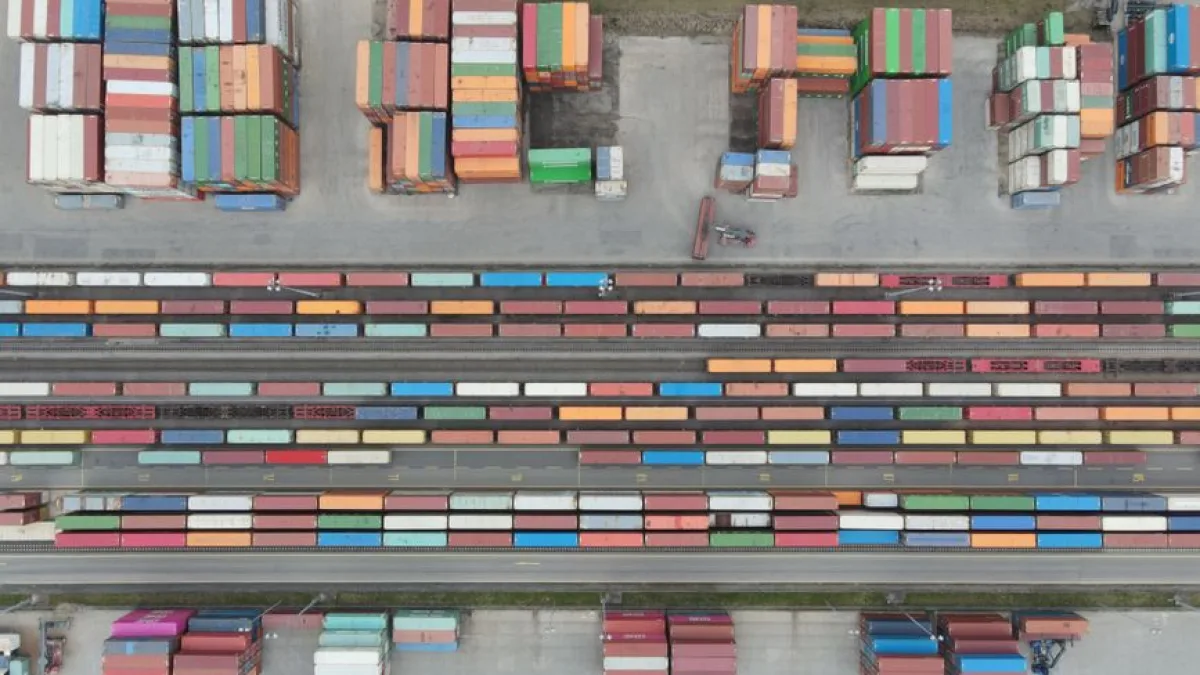
Automation is the cornerstone of modern logistics, enabling companies to replace repetitive manual tasks with streamlined digital workflows. By reducing the reliance on spreadsheets and paper-based documentation, teams can focus their energy on complex logistics strategy and high-level client relations.
- Reducing manual data: Automated entry systems eliminate common human errors during booking and invoicing, ensuring that your financial records remain accurate while significantly decreasing the time spent on administrative tasks.
- Optimising shipping workflows: Integrated platforms allow users to sync bookings with carrier schedules automatically, helping teams find the most efficient routes and pricing options for their high-value international customers.
- Enhancing document accuracy: Digital capture tools scan and verify commercial invoices, packing lists, and bills of lading to ensure full regulatory compliance before shipments reach their port of departure.
- Improving process speed: Faster digital processing translates into quicker quotes for clients, giving your agency a distinct advantage when competing for time-sensitive freight contracts in a very busy market.
Adopting these automation tools changes how your team handles daily logistics challenges. By minimizing manual input, you create a scalable environment where staff can manage higher shipment volumes without proportional increases in workload or overhead costs. This shift is essential for firms aiming to maximize profitability while maintaining a lean internal structure. Start integrating these systems today to see immediate improvements in operational speed.
Enhancing Real-Time Visibility
Clients today expect immediate updates on their shipment status at every step of the journey. Achieving this level of transparency requires robust cloud-based software that aggregates data from multiple carriers and provides a unified view of the entire global transport process.
- Tracking global shipments: Advanced API integrations allow your software to pull real-time location data directly from carriers, providing accurate updates to your clients without needing multiple manual inquiries.
- Proactive exception management: Automated alerts notify your team the moment a delay or route change occurs, allowing you to inform your customers before the situation impacts their supply.
- Customer portal access: Providing clients with a personalized dashboard increases trust and transparency by allowing them to check status updates and download essential documentation at their own convenience.
- Reducing status calls: When clients can see their own shipment data online, your support team spends significantly less time on repetitive phone calls and status update emails.
Achieving total transparency turns your service from a commodity into a value-added partnership. By keeping your clients informed automatically, you build long-term loyalty and professional trust. This proactive approach to communication differentiates your brand in a crowded market where service reliability is the primary differentiator. Invest in visibility tools that deliver clarity to your customers and peace of mind for your team.
Leveraging Advanced Data Analytics

Data is the most valuable asset in modern freight forwarding. By analyzing trends in shipping volumes, carrier performance, and regional transit times, forwarders can make informed decisions that improve their margins and refine their service offerings for specific industry sectors.
- Analyzing carrier performance: Reviewing historical data helps you identify which carriers consistently deliver on time, allowing you to allocate your high-priority freight to the most reliable shipping partners.
- Optimising route efficiency: Predictive analytics identify patterns in port congestion or weather delays, helping you plan alternative routes that keep cargo moving smoothly regardless of seasonal environmental challenges.
- Monitoring profit margins: Detailed financial reports provide a clear picture of your actual costs versus revenue, helping you identify which routes or customers provide the highest return.
- Forecasting market demand: Studying industry trends allows your team to prepare for seasonal spikes in freight volume, ensuring you have the necessary capacity secured well ahead of time.
Data analytics transform raw shipping numbers into actionable business intelligence. Instead of making decisions based on intuition, your management team can rely on precise metrics that drive growth and stability. As you refine your strategies through persistent data monitoring, you will notice significant improvements in both your profit margins and your service consistency. Use these insights to stay ahead of the competition.
Building Resilient Digital Teams

Technology is only as effective as the people who operate it. Building a resilient and tech-savvy workforce is crucial for successfully transitioning to a digital-first freight forwarding model and ensuring long-term success in an industry that never stops moving forward.
- Prioritizing cloud training: Providing your staff with deep training on your chosen freight platform ensures that everyone utilizes the software to its full capacity, maximizing the return on investment.
- Encouraging remote flexibility: Cloud-based systems enable your team to manage operations from anywhere, improving work-life balance and allowing you to attract the best talent regardless of geographic location.
- Standardizing digital processes: Clear digital operating procedures keep every employee aligned on the same goals, reducing confusion and maintaining high standards across every single branch of your company.
- Fostering continuous improvement: Regular feedback loops between your software vendor and your operations team help identify new features that can further streamline your unique business processes over time.
Investing in your people ensures that the technology you adopt creates real value rather than just complexity. A digitally empowered team can respond to market shifts with speed and confidence. By prioritizing consistent training and open communication, you foster a culture of efficiency and innovation that keeps your freight forwarding business at the cutting edge of the global logistics industry for many years.
Conclusion

The transition toward a fully digital freight forwarding model is the most important step any agency can take to ensure longevity and growth. By embracing automation, visibility, data analytics, and team development, you position your business to handle the complexities of modern trade with ease. Start your digital journey today by evaluating your current software needs and choosing a platform that scales with you.