Future Proofing Your Freight Forwarding Operations in a Digital Era
Sunday, August 9 2026
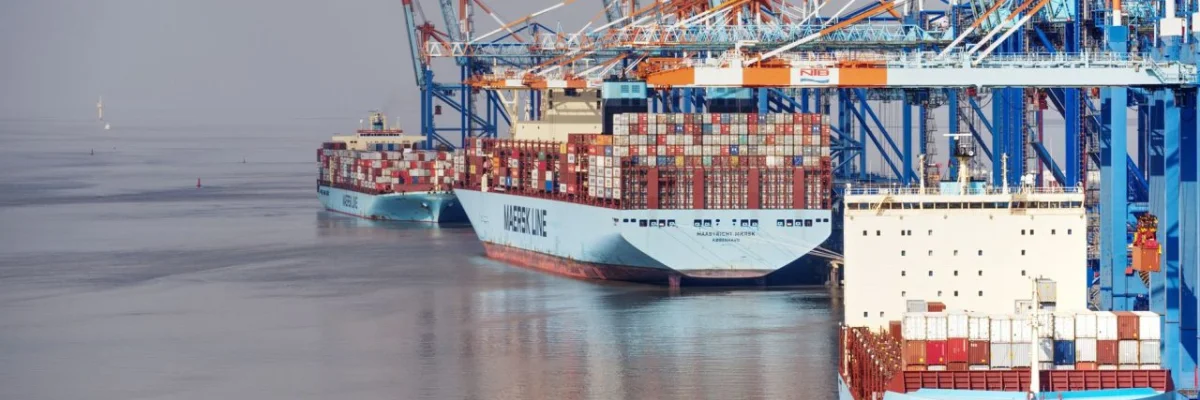
The global logistics landscape is undergoing a massive transformation driven by rapid technological adoption and changing customer expectations. Freight forwarders are no longer just intermediaries but strategic partners who must leverage digital tools to maintain a competitive edge. As market volatility becomes the new norm, those who embrace automated workflows and real time visibility will thrive, while others struggle with legacy processes. This transition requires a shift in mindset and the integration of modern software solutions to handle complex supply chain challenges efficiently while keeping overhead costs under control in an increasingly unpredictable international trade environment.
The Rise of Automated Documentation

Manual data entry remains a significant bottleneck for most forwarders, leading to delays and human errors that compromise shipment accuracy. Embracing automation for documentation creates a seamless flow of information that reduces administrative burdens and improves compliance across international borders.
- Eliminate manual entry: Implementing intelligent document processing tools allows teams to extract data from bills of lading and invoices automatically, drastically reducing the risk of costly input mistakes.
- Standardise document workflows: Establishing unified digital templates ensures every stakeholder follows the same process, which improves internal communication and speeds up customs clearance for all your active shipments.
- Enhance regulatory compliance: Automated systems track changes in international customs regulations in real time, alerting your staff to necessary modifications before they cause delays at the port.
- Reduce operational overhead: By shifting from paper based filing to cloud storage, you lower printing and storage costs while ensuring all documents are accessible to authorized team members.
By removing the reliance on physical files, firms can focus their talent on high value tasks instead of chasing down misplaced documents. Automation creates a single source of truth that benefits both your operational team and your end customers. As digital requirements evolve, having a flexible system in place ensures that your business stays ahead of complex regulatory demands without hiring additional administrative support staff.
Enhancing Real Time Cargo Visibility

Modern clients demand instant updates regarding the location and status of their cargo during transit. Providing transparent tracking through digital portals increases customer trust and empowers forwarders to solve potential disruptions before they escalate into major supply chain failures.
- Implement live tracking: Utilizing API integrations with ocean carriers provides your team and clients with accurate GPS data, ensuring everyone knows the current location of every container.
- Proactive anomaly alerts: Advanced software platforms automatically notify users of port congestion or weather delays, allowing you to re-route cargo proactively rather than waiting for notifications.
- Improve customer portals: Giving clients direct access to tracking dashboards reduces the volume of status inquiry emails, freeing your customer support staff to handle more complex issues.
- Data driven reporting: Aggregating historical tracking data helps you analyze carrier performance, enabling more informed decisions when choosing shipping routes and partners for future freight requirements.
Visibility serves as the backbone of modern freight forwarding, turning data into a powerful tool for customer retention. When forwarders can predict potential issues, they become indispensable partners to their clients. This transparency builds long term relationships, as businesses prefer working with providers who keep them informed. Moving toward a transparent model is essential for staying relevant in today's demanding and fast paced logistics market.
Integrating Intelligent Freight Software

The core of a modern logistics business lies in its choice of freight management software. Selecting a robust platform that integrates seamlessly with existing tools is critical for maintaining efficiency and ensuring that data flows across departments without any manual intervention.
- Seamless system integration: Modern cloud platforms connect easily with accounting and CRM software, creating a unified ecosystem that eliminates the need for expensive and error prone data migration.
- Scalable cloud infrastructure: Choosing a platform that grows with your transaction volume ensures your business remains agile during peak seasons without needing constant hardware or software upgrades.
- Security and backups: Cloud based systems provide enterprise grade security protocols and automated data backups, protecting sensitive client information from cyber threats and potential hardware failure scenarios.
- User friendly interfaces: Prioritising intuitive design reduces training time for new staff and minimizes the learning curve, allowing your team to start maximizing software benefits almost immediately.
Investing in the right software is more than a technical upgrade; it is a fundamental shift in business capability. A well integrated platform acts as the brain of your operation, coordinating tasks and providing insights that were previously impossible to track. Forwarders who prioritize these systems will see faster processing speeds and a significant increase in overall team productivity and output quality.
Optimising Global Supply Chain Collaboration

Logistics is inherently collaborative, requiring constant communication between carriers, agents, and shippers. Improving how these stakeholders interact through digital platforms minimizes friction and ensures that everyone is working toward the same objective of timely and cost effective delivery for every shipment.
- Streamlined agent communication: Centralized messaging systems within your software ensure that all correspondence related to a specific shipment is stored in one accessible location for all participants.
- Centralized stakeholder data: Giving agents and vendors permission based access to specific shipment data reduces the need for constant status updates and clarifies individual roles and responsibilities.
- Unified task management: Assigning specific tasks to team members within the platform creates accountability, ensuring that nothing falls through the cracks during the busy shipping lifecycle stages.
- Enhanced partner relationships: Digital collaboration tools demonstrate professional reliability to your overseas agents, strengthening global networks and fostering trust that leads to better service levels and rates.
Effective collaboration is the secret to scaling a freight forwarding business across borders. By utilizing digital tools to synchronize efforts, you ensure that geographical distance never becomes a barrier to service excellence. This level of coordination improves your reputation as a reliable partner and provides the foundation for sustainable growth in a complex global market that values speed, precision, and reliable communication.
Conclusion

The future of freight forwarding depends on the ability to adapt to digital tools and improve transparency across the entire supply chain. By embracing automation, visibility, and robust software, forwarders can overcome current market challenges while delivering superior service to their clients. Evaluate your current operational workflows today and identify where technology can drive greater efficiency and growth for your business in the coming year.