Future-Proofing Your Freight Forwarding Business in 2024
Thursday, October 8 2026
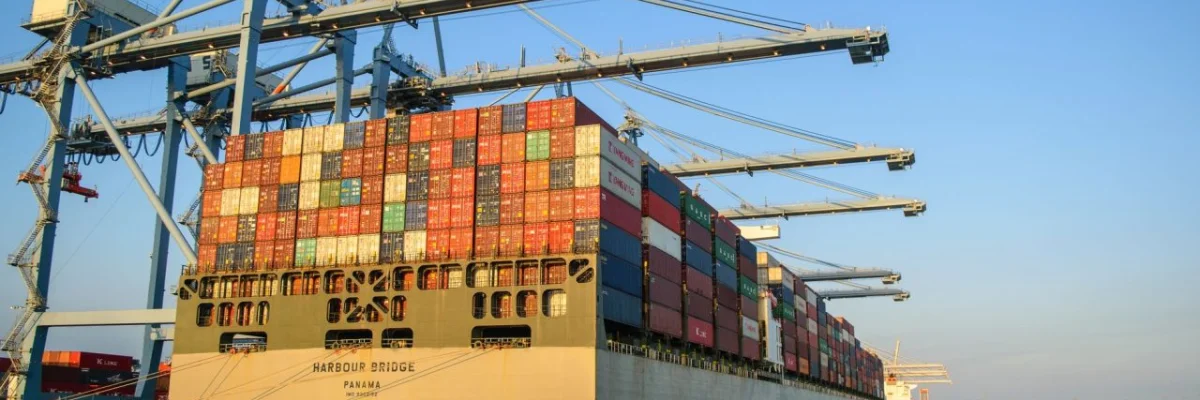
The global logistics landscape is undergoing a profound transformation driven by rapid technological integration and shifting trade dynamics. As freight forwarders face increasing pressure to provide real-time visibility and cost-efficient operations, staying ahead requires a strategic commitment to digital infrastructure. Modern platforms now replace legacy processes, enabling companies to scale effectively despite market volatility. By embracing automation and data-driven decision-making, professionals can navigate complex supply chains with greater agility. This article examines the essential trends shaping our industry and provides actionable insights for forwarders who aim to maintain a competitive advantage in a demanding and highly connected global marketplace.
Embracing Digital Transformation

Digital transformation represents the core pillar of modern logistics, moving teams away from manual data entry toward automated, cloud-based workflows. This shift empowers forwarders to handle growing cargo volumes while simultaneously reducing human errors and improving the overall quality of client services.
- Automated Workflow Efficiency: Integrated software platforms handle documentation and communication automatically, which reduces manual labor hours and allows your team to focus on high-value client relationship tasks instead of paperwork.
- Cloud Data Access: Hosting operational data in the cloud ensures that your global team members access the same accurate information instantly, promoting seamless collaboration across different time zones and offices.
- Real-Time Tracking: Modern visibility tools provide live cargo updates to customers, which builds long-term trust and reduces the volume of manual status inquiry calls to your operations desk.
- Reduced Operational Costs: Transitioning to automated systems eliminates the overhead associated with paper filing and physical storage, helping your company achieve significant long-term savings through smarter resource allocation and efficiency.
Adopting digital tools is no longer a luxury but a fundamental necessity for survival. Companies that fail to integrate these solutions risk losing ground to more agile competitors who provide better customer transparency. By upgrading your technological stack today, you create a robust foundation for scalability, ensuring that your firm remains resilient against future market disruptions while delivering consistent value to your shipping partners.
Optimizing Ocean Freight Operations
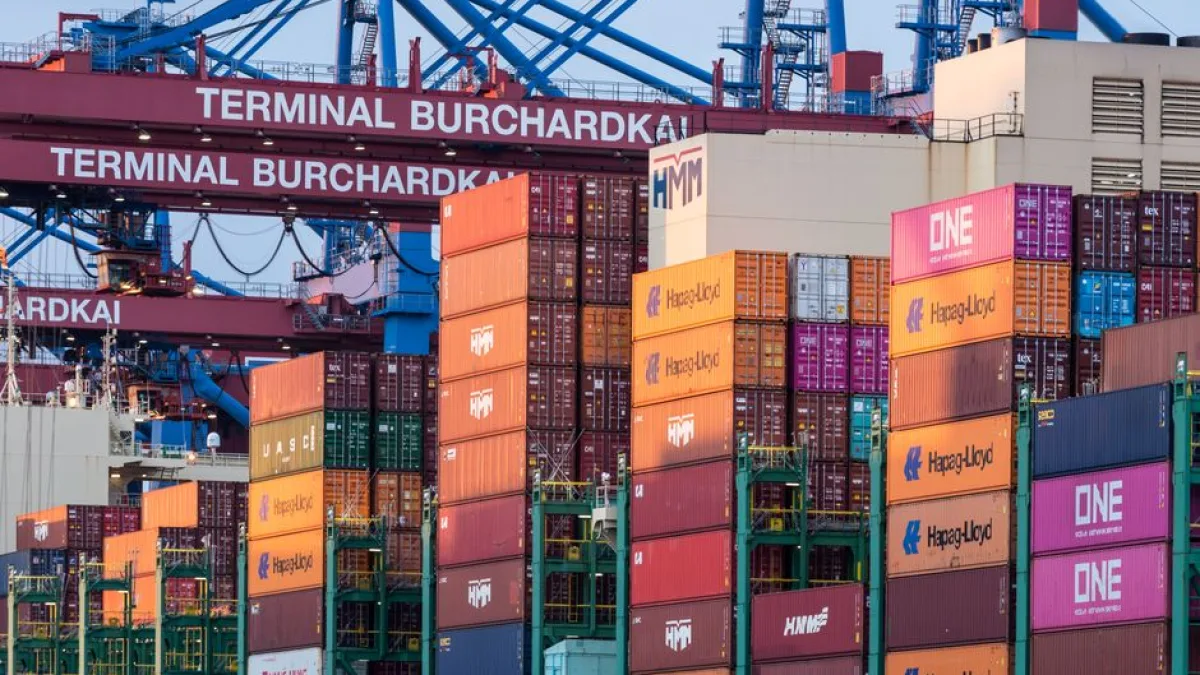
Ocean freight continues to be the backbone of international trade, yet it remains vulnerable to port congestion and volatile capacity issues. Effective optimization requires sophisticated tools that monitor carrier schedules, manage complex billing processes, and provide precise arrival predictions for global shipments.
- Carrier Capacity Management: Advanced software tools track space availability across major shipping lines, allowing forwarders to secure better rates and prioritize shipments during periods of intense market demand volatility.
- Streamlined Documentation Flow: Digital platforms automate the generation of bills of lading and customs forms, which prevents costly delays at ports and ensures full compliance with international maritime regulations.
- Predictive Port Analysis: Utilizing data analytics allows your logistics team to anticipate potential port congestion before it impacts your cargo, enabling proactive rerouting and better customer communication strategies.
- Centralized Financial Tracking: Integrated accounting modules track ocean freight costs and margins in real time, giving management clear visibility into project profitability and identifying areas for immediate improvement.
Focusing on ocean freight efficiency allows forwarders to navigate the inherent complexity of international shipping with confidence. By leveraging data to manage capacity and documentation, firms can offer more stable services to their clients despite fluctuating global conditions. Implementing these specialized tools ensures that your operations remain smooth, profitable, and ready to handle the increased cargo volumes expected in the coming year.
Strengthening Customs Compliance
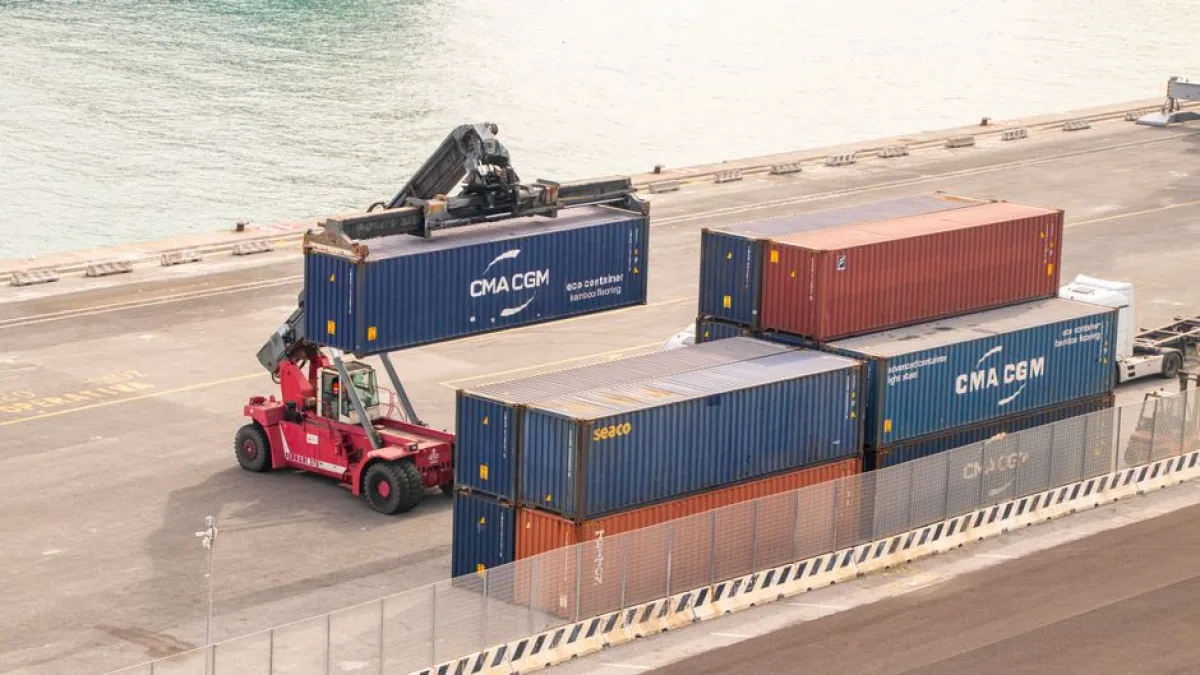
Compliance with evolving customs regulations is a major challenge for freight forwarders operating across multiple borders. Staying updated requires a meticulous approach to data management and a deep understanding of trade laws to avoid penalties, cargo inspections, or significant transit delays.
- Automated Tariff Updates: Intelligent systems automatically download and apply the latest customs tariff codes, ensuring your shipments are correctly classified and avoiding expensive tax errors during the clearance process.
- Risk Mitigation Protocols: Proactive compliance checks flag potential document discrepancies before they reach customs officials, which saves significant time and prevents your cargo from being flagged for inspection.
- Audit Trail Integrity: Keeping a secure, digital history of all customs interactions provides necessary transparency for audits and ensures that your firm remains in full compliance globally.
- Regulatory Change Alerts: Subscription-based software modules monitor changes in international trade law and provide instant notifications, helping your team adjust their documentation processes to maintain uninterrupted supply chain flow.
Maintaining strict customs compliance protects your reputation and prevents costly delays that damage client trust. By digitizing your compliance workflows, you reduce the burden of manual oversight and minimize the risk of human error during complex border crossings. This commitment to regulatory excellence turns a potentially risky operational hurdle into a competitive advantage, ensuring that your clients enjoy seamless, trouble-free international trade experiences every time.
Building Customer-Centric Logistics

Modern customers demand transparent, proactive communication throughout the entire freight lifecycle. Success in the industry today depends on your ability to translate complex technical data into clear, actionable updates that keep your clients fully informed and confident in your professional logistics capabilities.
- Custom Client Portals: Providing branded digital portals allows your clients to track their own shipments, download invoices, and access reports, which drastically improves their experience and satisfaction levels.
- Proactive Problem Solving: Alert systems inform you of potential delays immediately, allowing you to notify clients early with a solution rather than waiting for them to inquire about issues.
- Transparent Reporting Metrics: Regular data reports demonstrate the value you provide, giving your customers insight into their supply chain performance and justifying your role as a partner.
- Multichannel Communication Hubs: Centralizing messages from email, chat, and phone calls ensures that every customer interaction is logged and resolved quickly by the appropriate member of your team.
Delivering a customer-centric experience is the ultimate differentiator in a crowded market. When you prioritize transparency through digital portals and proactive alerts, you strengthen long-term relationships and increase client retention rates. Investing in these communication tools demonstrates that your company is a dedicated partner invested in the success of its clients, ensuring that your firm remains their top choice for freight services.
Conclusion

Thriving in the modern freight industry requires a dedicated focus on digital transformation, operational efficiency, and exceptional customer service. By adopting the right software and processes, forwarders can turn common logistical hurdles into strategic strengths. Start by evaluating your current workflows today and implement small, incremental changes. With the right tools and commitment, you will be well-positioned for sustained growth and success.