Future-Proofing Your Freight Forwarding Business in 2024
Sunday, October 18 2026
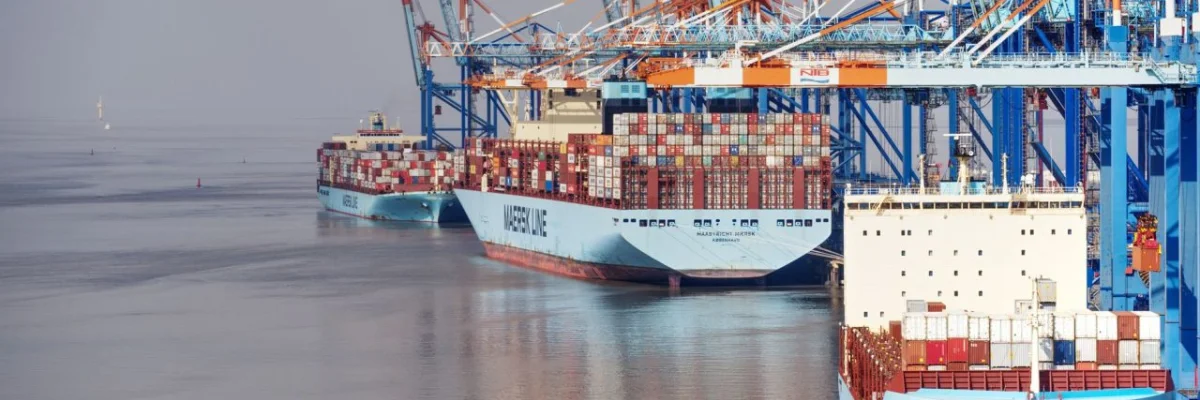
The global logistics landscape is undergoing a massive transformation driven by rapid technological adoption and changing consumer expectations. Freight forwarders today must navigate complex supply chains while managing increased pressure for transparency and cost efficiency. As market volatility becomes the new standard, relying on outdated manual processes is no longer a viable strategy for long-term survival. Embracing digital transformation and integrated software platforms allows professionals to streamline their operations, reduce human error, and provide superior client service. By modernizing your workflow now, you ensure your agency stays competitive, scalable, and prepared for whatever global economic shifts emerge in the coming months.
Adapting to Supply Chain Volatility
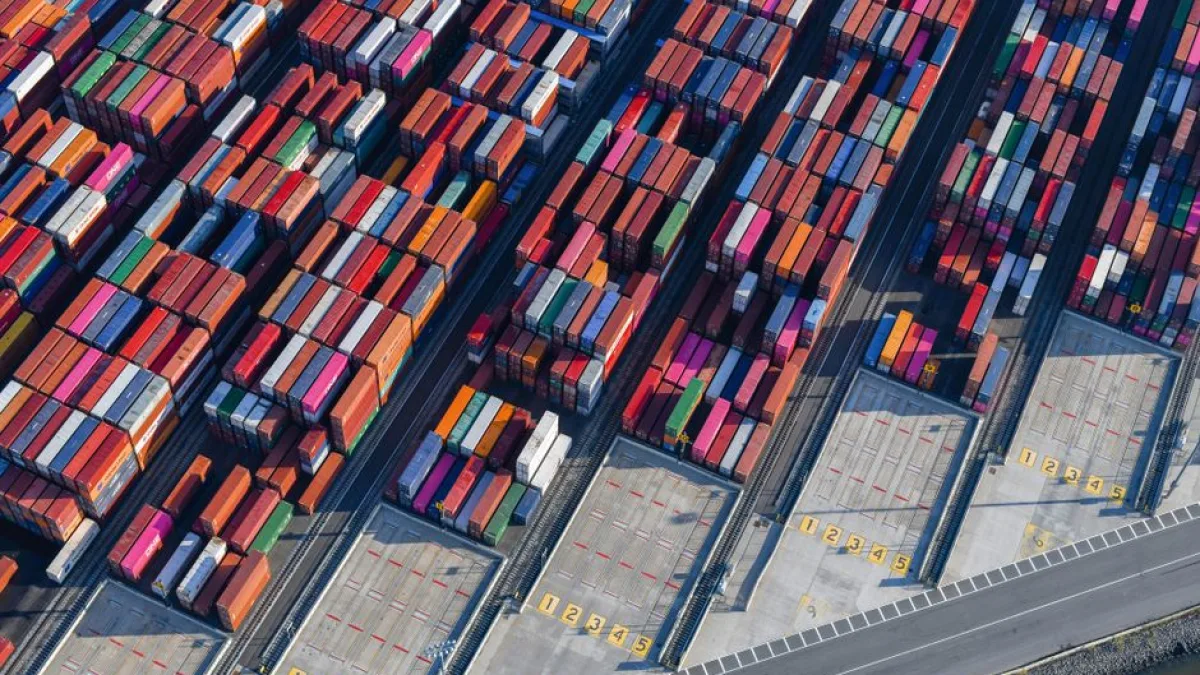
Fluctuating trade routes and global instability require logistics providers to remain agile and responsive to sudden changes in transit times or capacity availability across major shipping lanes throughout the world today.
- Real-time tracking tools: Integrated tracking systems provide instant visibility into shipment status, helping forwarders proactively manage delays and communicate accurate information to their clients before problems become major operational crises.
- Route optimization software: Intelligent algorithms calculate the most efficient paths for cargo, significantly reducing fuel consumption while balancing speed requirements against the current volatile market price for various lanes.
- Dynamic capacity planning: Modern platforms allow teams to adjust booking strategies based on real-time data, ensuring that cargo stays moving even when traditional shipping lanes face significant congestion issues.
- Risk management integration: Automated software flags potential disruptions early, allowing your team to pivot logistics strategies quickly and minimize the financial impact of port closures or unexpected strikes.
Navigating volatility demands more than just grit, as successful forwarders now rely on data-driven insights to maintain momentum. By automating complex scheduling tasks and monitoring global trends through cloud platforms, agencies can anticipate bottlenecks before they happen. This proactive approach transforms challenges into competitive advantages, fostering client trust and building a reputation for reliability in a market where uncertainty often disrupts standard delivery timelines.
Embracing Automation in Logistics

Automating repetitive administrative tasks enables your staff to focus on high-value client relations and strategic planning rather than getting stuck in endless manual data entry processes throughout the work day.
- Automated documentation processing: Intelligent digital tools extract data from invoices and bills of lading, drastically reducing the time spent on manual input while eliminating costly human typing errors.
- Streamlined billing workflows: Automated invoicing systems ensure that your team gets paid faster by generating accurate documents immediately after shipment milestones, improving overall cash flow for firms.
- Digital customer portals: Self-service platforms empower clients to access their own shipment data and documentation, freeing up your customer support staff to handle complex inquiries and issues.
- Workflow integration tools: Connecting various software platforms ensures that information flows seamlessly between departments, creating a single source of truth that improves internal team collaboration and efficiency.
Transitioning toward full automation remains the primary goal for forwarders looking to scale their operations without ballooning headcount costs. By removing the burden of repetitive tasks, your team can pivot toward building stronger, more strategic partnerships with both vendors and end clients. Modernizing internal systems is the essential step for any agency that intends to lead the market during this period of growth.
Prioritizing Data-Driven Decision Making

Accessing clean and actionable data is critical for freight forwarders who want to maximize their margins and optimize operational performance across every single shipment handled by their logistics team members.
- Performance reporting tools: Advanced analytics provide clear insights into carrier performance and profitability, helping managers make informed choices when negotiating long-term contracts with various global shipping lines.
- Predictive cost analysis: By analyzing historical data patterns, forwarders can better anticipate seasonal price hikes and prepare their customers for potential cost changes before they actually happen.
- Inventory visibility platforms: Centralized data hubs give stakeholders a clear view of where cargo resides, which helps in managing stock levels and improving turnover rates for clients.
- Customizable reporting suites: Tailored dashboards allow executives to track specific KPIs that matter most to their business, ensuring every decision is backed by solid numerical evidence.
Data is the currency of the modern logistics industry, acting as the foundation for every successful shipping strategy. When forwarders replace intuition with precise metrics, they identify hidden efficiencies that were previously invisible in complex manual systems. This shift toward evidence-based management empowers leaders to navigate market downturns with confidence, turning raw data into concrete growth and improved profit margins for the entire company.
Enhancing Customer Transparency Standards

Providing clients with deep transparency regarding their shipments builds long-term loyalty and establishes your firm as a trusted partner in an increasingly complex and competitive international shipping landscape today.
- Proactive status notifications: Automated email and SMS alerts keep customers informed throughout the shipping journey, reducing the need for repetitive status update requests to your customer service.
- Transparent communication channels: Direct messaging features within your platform foster open dialogue between forwarders and clients, ensuring that every query is addressed quickly and clearly at all times.
- Document transparency access: Granting clients secure access to their shipping documents via a portal minimizes back-and-forth emails and ensures everyone works from the most current information.
- Consistent client updates: Delivering regular reporting on milestone achievements shows your clients that you prioritize their business, which encourages repeat bookings and stronger professional relationships over time.
Customer experience has become the main differentiator for modern freight forwarders competing in a crowded global marketplace. By offering clarity and instant access to shipment information, you remove the common frustrations that often plague traditional shipping services. Implementing these digital touchpoints ensures that your clients feel secure and supported, ultimately transforming occasional shippers into lifelong partners who value your consistent dedication to excellence.
Conclusion
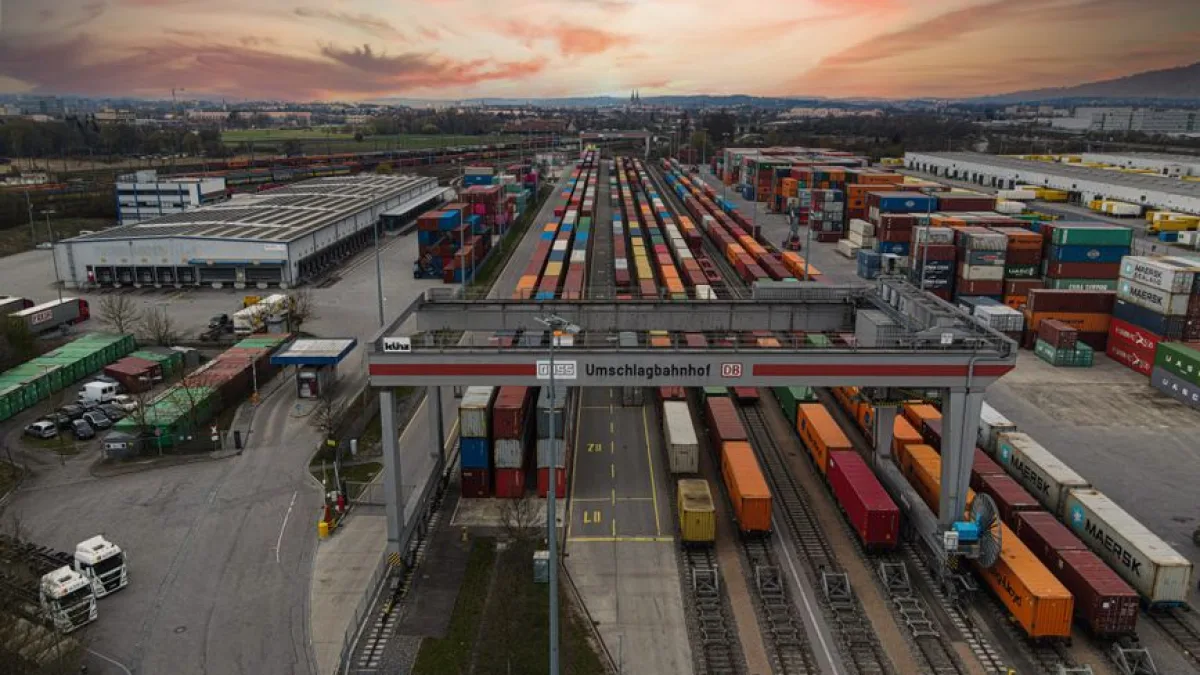
Staying relevant requires a commitment to digital transformation and constant improvement of internal freight operations. By embracing cloud-based software, automating core tasks, and prioritizing data transparency, your agency can overcome the hurdles of a volatile global market. Start integrating these advanced tools into your business strategy today to ensure long-term stability, foster client trust, and position your firm for sustained growth and success.