Future-Proofing Your Freight Forwarding Business in 2024
Monday, October 26 2026
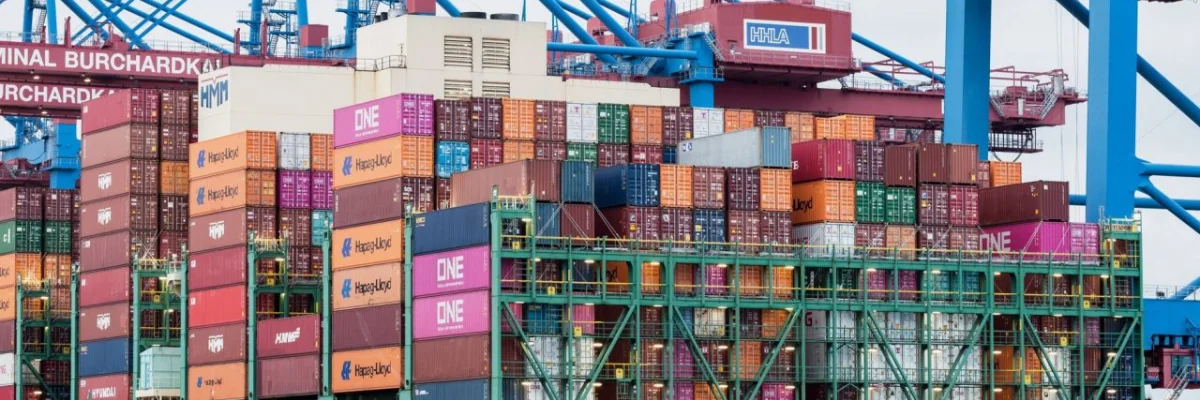
The global logistics landscape is undergoing a massive transformation driven by rapid technological adoption and changing consumer expectations. Freight forwarders are currently navigating a complex environment where efficiency, visibility, and automation are no longer optional luxuries but core requirements for survival. By integrating modern digital solutions into legacy workflows, forwarders can significantly reduce operational bottlenecks and enhance client satisfaction. As market volatility remains a persistent challenge, firms that embrace cloud-based platforms gain a decisive competitive edge. Understanding these emerging trends is essential for professionals aiming to scale their operations while maintaining high service standards in an increasingly digitized international trade arena.
Digital Transformation Strategies

Adopting advanced digital tools is essential for modern logistics providers seeking to remain relevant. These platforms integrate fragmented data streams into a single source of truth, enabling teams to make informed decisions based on real-time analytics rather than guesswork.
- Automated documentation workflows: Centralizing document management through cloud software reduces manual entry errors and speeds up customs clearance processes while keeping your compliance records organized for future audits and inspections.
- Cloud based accessibility: Enabling your team to access critical shipment data from any location fosters better collaboration and ensures that remote operations run smoothly without technical constraints.
- Real time tracking: Providing customers with instant updates on cargo status improves transparency and builds trust, ultimately leading to higher retention rates and stronger long-term business partnerships.
- Software API integrations: Connecting your freight software with carrier portals and accounting systems creates a seamless flow of information that eliminates redundant data entry tasks for staff.
Digital transformation is about much more than just upgrading hardware or software systems. It represents a fundamental shift in how your organization manages data and interacts with global partners. By removing silos and fostering a culture of transparency, your firm can respond to disruptions faster than competitors who rely on manual, outdated processes. Investing in these technologies today prepares your business for long-term growth.
Optimizing Supply Chain Visibility
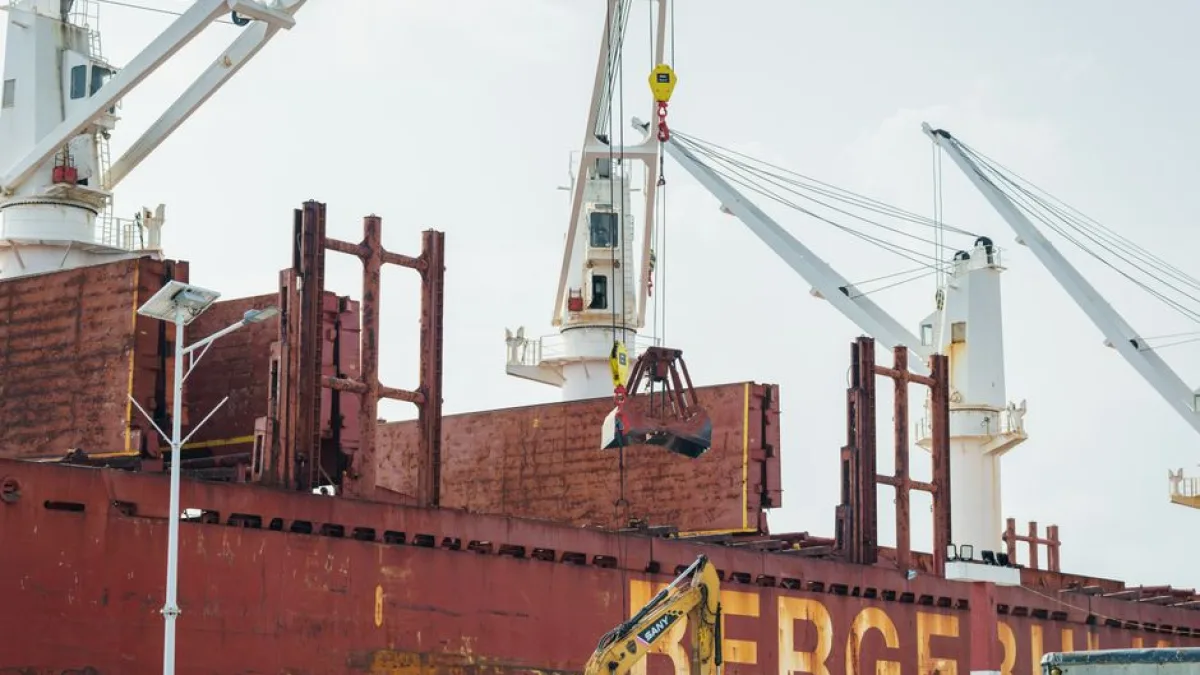
Increased visibility across the entire supply chain has become a primary expectation for shippers globally. Forwarders who offer granular insights into cargo movement can provide significant value, ensuring that clients stay informed during every stage of the transit.
- Predictive shipment analytics: Using data to forecast potential delays allows forwarders to suggest alternative routes before major problems occur, saving time and money for your clients throughout transit.
- Enhanced cargo monitoring: Implementing IoT devices and connected tracking systems gives your clients peace of mind by providing accurate, minute-by-minute updates on cargo location and environmental conditions.
- Proactive issue resolution: Identifying risks early in the supply chain lifecycle enables proactive communication with stakeholders, turning potential shipment failures into manageable situations with minimal operational impact.
- Comprehensive reporting tools: Generating detailed performance reports helps clients analyze their shipping patterns, allowing for better inventory management and improved logistics planning for future quarterly business cycles.
Mastering supply chain visibility requires a commitment to data accuracy and continuous improvement. When you provide your clients with deep, actionable insights into their freight, you position yourself as a strategic partner rather than a simple service provider. This high level of service differentiates your company in a crowded market, making you the preferred choice for sophisticated shippers who demand constant connectivity.
Navigating Global Regulatory Compliance

Regulatory requirements are constantly shifting, placing a heavy burden on freight forwarders to stay informed. Maintaining compliance is critical to avoiding heavy fines, cargo delays, and damaged relationships with trade authorities in various jurisdictions around the world.
- Automated compliance checks: Integrated software solutions can automatically flag potential compliance issues within shipping documents, preventing errors before they reach customs officials at various international border points.
- Security protocol updates: Keeping up with changing maritime security regulations ensures that your shipments move through ports without unnecessary inspection delays or documentation related compliance hurdles annually.
- Standardized record keeping: Storing all shipping documentation in a secure cloud environment simplifies the audit process and provides easy retrieval of documents when requested by local authorities.
- Global trade intelligence: Accessing updated information on international trade laws helps your team navigate complex regulatory landscapes, ensuring your clients stay protected throughout their shipping operations.
Compliance is a complex field, but it does not have to be a source of constant stress for your logistics team. By leveraging technology to automate standard regulatory tasks, you reduce the risk of human error significantly. Focusing on strict compliance standards also enhances your company reputation, demonstrating to your clients that you are a reliable, professional, and trustworthy global logistics partner.
Building Sustainable Logistics Models
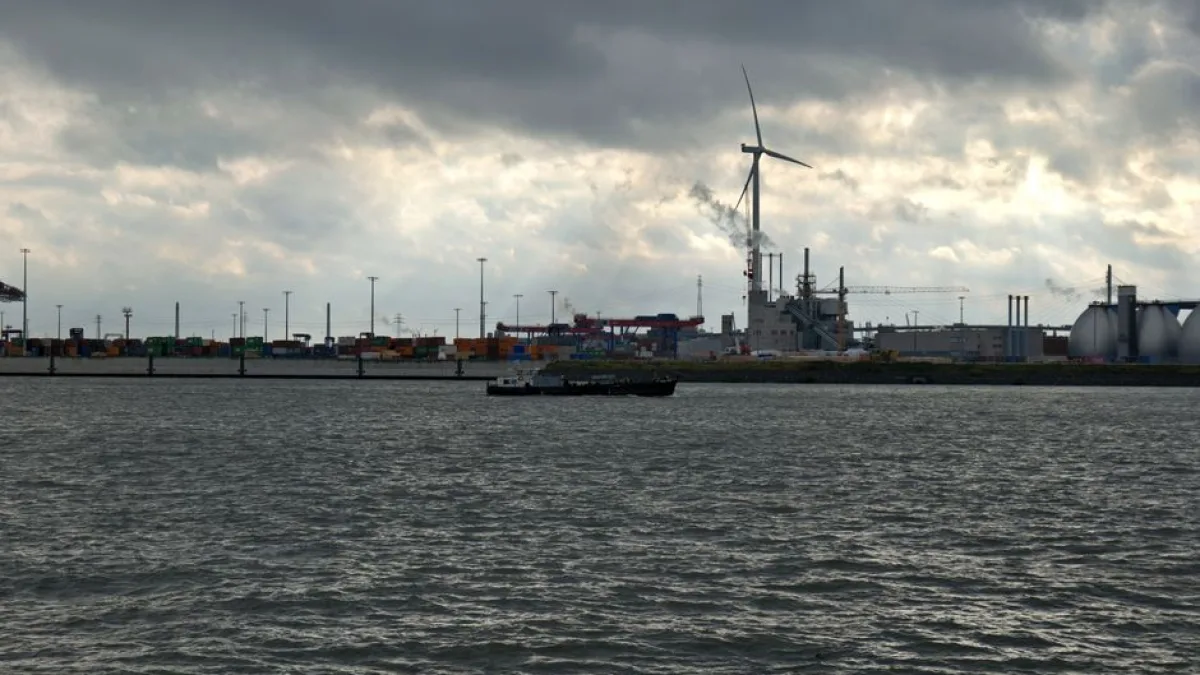
Environmental responsibility is shifting from a corporate social initiative to a business requirement. Many shippers now prioritize logistics partners who can provide clear data on the carbon footprint associated with their international cargo transportation and distribution activities.
- Carbon footprint reporting: Tracking emissions for every shipment allows you to provide detailed sustainability reports to your clients, helping them meet their internal environmental and corporate goals.
- Optimized route planning: Utilizing software to find the most fuel efficient shipping routes not only reduces costs but also lowers the total emissions profile of your freight.
- Eco friendly carrier partnerships: Collaborating with shipping lines and trucking companies that prioritize green technology helps you build a more sustainable service network for your environmentally conscious clients.
- Digital paperwork reduction: Eliminating physical paper usage in your daily operations supports a paperless office initiative while also streamlining communication with your international partners and logistics teams.
Integrating sustainability into your business model is a smart way to align with the future of global trade. As governments implement tighter environmental regulations, your proactive approach will ensure that your business remains compliant and attractive to clients who value green logistics. Making small changes in your daily operations today will pay significant dividends as the industry continues to evolve toward environmental transparency.
Conclusion

Success in the freight forwarding industry now depends on your ability to leverage technology for efficiency, visibility, and compliance. By adopting cloud-based solutions and focusing on data-driven decision making, you can overcome common industry challenges and provide superior service. Stay ahead of these trends to ensure your firm remains competitive and profitable. Start optimizing your logistics workflows with MakeCargo to drive sustainable growth today.