Future Proofing Your Freight Forwarding Operations in a Digital Era
Sunday, September 20 2026
The global logistics landscape is undergoing a massive transformation driven by rapid technological advancement and changing trade demands. As freight forwarders navigate volatile market conditions and heightened client expectations, the reliance on outdated manual processes is becoming a significant liability. Modern businesses must embrace agility and data transparency to maintain a competitive edge. By leveraging cloud-based platforms and automated documentation, forwarders can reclaim lost hours and focus on building stronger client relationships. This shift toward digital efficiency is no longer optional for companies aiming to thrive amidst the increasing complexities of international supply chain management in the current decade.
Embracing Cloud Integration

Transitioning your operations to a cloud environment allows for seamless collaboration across your entire team. By centralizing data in a secure digital space, you eliminate communication bottlenecks and ensure that every stakeholder has instant access to the most accurate shipment information available today.
- Real-time data synchronization: Cloud platforms ensure all team members view updated shipment statuses simultaneously, which prevents costly errors and redundant data entry tasks throughout your daily logistics operation cycle.
- Enhanced remote accessibility: Team members can manage complex freight tasks from any location worldwide, providing the flexibility needed to handle urgent client requests outside standard office operating hours.
- Robust security protocols: Modern software providers implement advanced encryption to protect your sensitive cargo documents from cyber threats, ensuring that your company data remains private and strictly confidential.
- Seamless software integration: You can easily connect your platform with existing accounting and CRM systems to create a unified ecosystem that automates your critical administrative workflows.
- Cost effective scalability: The subscription model allows you to scale your digital infrastructure according to your current business volume, providing maximum financial flexibility for growing forwarding firms.
Cloud integration is the backbone of modern freight forwarding success. By moving away from legacy systems, you enable your team to work faster and more reliably. This structural improvement reduces technical overhead while empowering your employees to dedicate their energy to customer service rather than troubleshooting software glitches. Adopting cloud tools today ensures your infrastructure is ready for the demands of tomorrow.
Automating Administrative Workflows

Manual data entry is a drain on your company resources and a common source of human error. Automated workflows can process documents in seconds, allowing your staff to focus on high-value logistics strategy rather than redundant paperwork and administrative tasks.
- Intelligent document capture: Advanced algorithms extract key details from invoices and bills of lading automatically, reducing the time spent on manual input by more than sixty percent.
- Automated status notifications: Your software can trigger automatic emails to clients when shipment milestones are reached, keeping customers informed without requiring manual intervention from your account managers.
- Error reduction strategies: Automated systems flag inconsistencies in documentation immediately, preventing delays at customs that occur due to simple typos or missing information in final shipping manifests.
- Streamlined invoice generation: Generating professional invoices directly from your shipping data ensures accuracy and speeds up your payment cycles, improving overall cash flow for your business operations.
- Custom workflow rules: You can define specific triggers that route documents to the correct department, ensuring that every task is handled by the appropriate team member promptly.
Automation serves as a force multiplier for every forwarder seeking to increase operational capacity without hiring additional administrative staff. By delegating repetitive tasks to intelligent software, you minimize the risk of human oversight while significantly increasing your transaction throughput. This strategic move allows your experts to concentrate on navigating complex freight routes and securing better rates for your loyal client base.
Enhancing Client Visibility

In the digital age, clients expect complete transparency regarding their shipments. Providing a dedicated portal where customers can track their cargo in real time builds trust and differentiates your forwarding services from those of your less modern competitors.
- Personalized client portals: Give your customers a branded digital space to view shipments, access invoices, and download essential cargo documentation at their own convenient time today.
- Live tracking updates: Real-time integration with global carrier networks provides your clients with precise location updates, which reduces the number of incoming status inquiry phone calls.
- Interactive document management: Clients can upload or approve shipping documents directly through your portal, creating a transparent audit trail that improves overall communication and record keeping.
- Proactive anomaly alerts: Automated systems notify clients immediately if a shipment faces unforeseen delays, allowing you to manage expectations professionally before the customer even asks questions.
- Improved customer retention: Offering a superior digital experience makes it significantly harder for clients to switch to other providers who lack the same level of transparency.
Visibility is the ultimate commodity in modern logistics. When you give your clients control over their data, you transform a standard transactional relationship into a long term partnership. This proactive approach to client communication not only saves time for your team but also positions your company as a leader in transparency, which is vital for securing long term contracts in competitive markets.
Optimizing Global Supply Chains
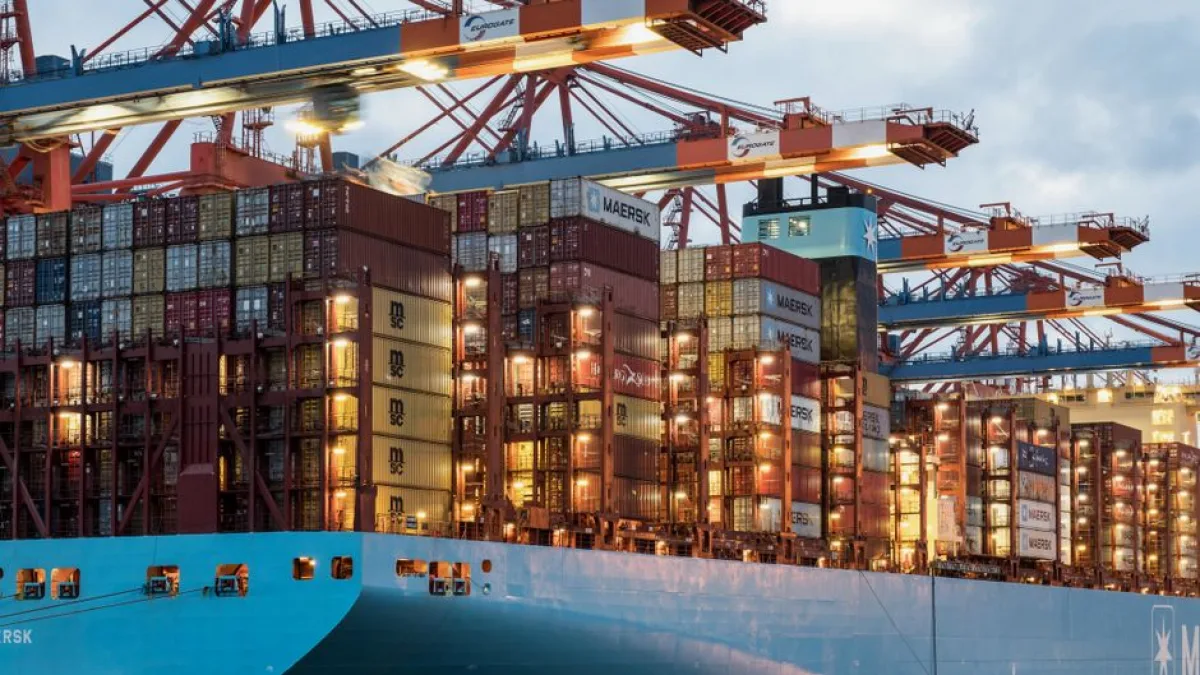
Optimizing global supply chains requires a combination of historical data analysis and forward thinking technology. With the right software, you can identify hidden inefficiencies in your routing and improve your bottom line through informed, data-driven decision making processes.
- Advanced reporting tools: Generate deep analytical reports that highlight your most profitable trade lanes, enabling you to focus your sales efforts on the most lucrative opportunities.
- Carrier performance metrics: Monitor the reliability of various shipping lines to make better choices for your clients, ensuring that you select partners who consistently meet expectations.
- Strategic route planning: Use integrated mapping tools to evaluate different transport methods and timelines, helping you design the most efficient shipping strategy for complex cargo movements.
- Market trend analysis: Your software platform can aggregate industry data, giving you the insights needed to adjust your pricing strategies in response to shifting global demands.
- Improved cargo consolidation: Optimize your container loading strategies to maximize space usage, which helps you lower costs and reduce the overall carbon footprint of shipping.
Optimization is a continuous process that relies on the consistent application of smart digital tools. By regularly analyzing your operational data, you can make incremental changes that yield significant financial gains over time. This data-centric mindset keeps your freight forwarding business agile, resilient, and ready to adapt to the unpredictable nature of the global economy, ensuring sustained growth for many years ahead.
Conclusion
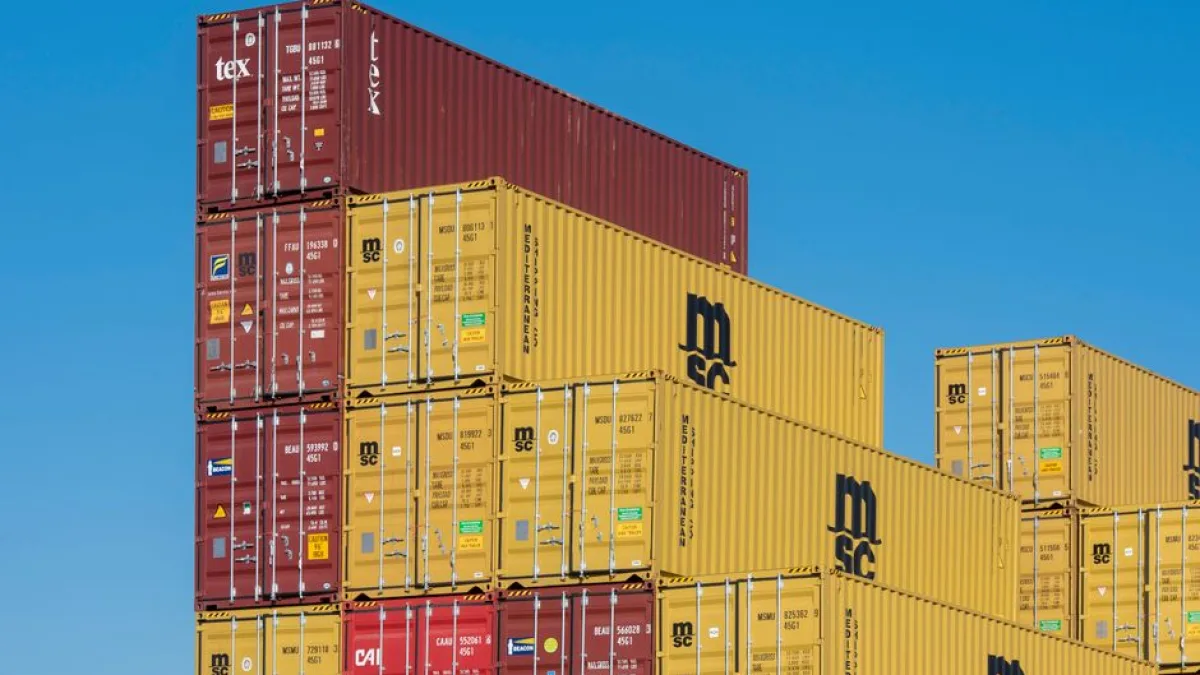
Implementing digital transformation in freight forwarding is the most effective way to secure a profitable future. By prioritizing cloud technology, automation, and enhanced client visibility, you create a robust foundation for scalable success. Take the necessary steps today to integrate these tools into your firm. Doing so will ensure your operations remain efficient, competitive, and highly valued by clients in a globalized world.