Future-Proofing Freight Forwarding in a Digital Era
Wednesday, October 7 2026

The global logistics landscape is undergoing a massive transformation driven by rapid technological adoption and changing consumer expectations. As freight forwarders navigate volatile markets, the need for transparency and speed has never been greater. Manual processes that once served the industry are now becoming bottlenecks that prevent operational scaling. By embracing cloud-based platforms, professionals can gain real-time visibility into their supply chains, reducing administrative errors while increasing overall efficiency. Adapting to this new digital reality is no longer just an optional strategy but a fundamental requirement for staying competitive in today's increasingly connected global marketplace.
Modern Logistics Infrastructure Requirements
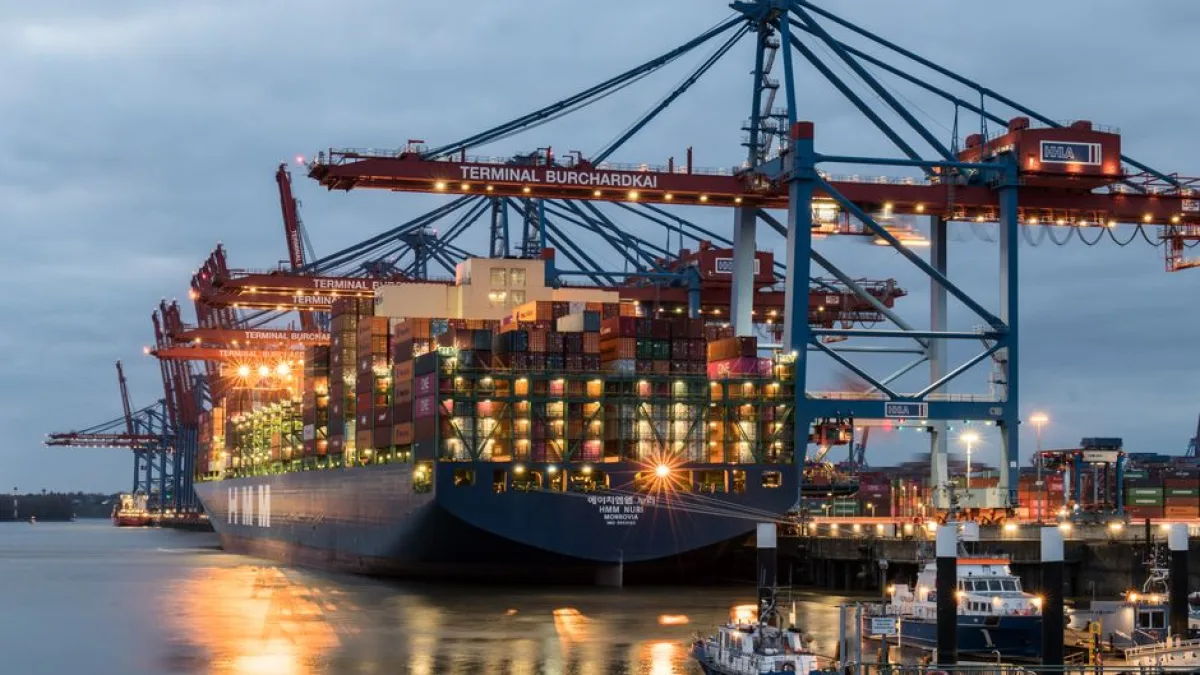
Infrastructure serves as the backbone for international trade, requiring constant upgrades to handle shifting volume demands. As global supply chains become more complex, freight forwarders must rely on sophisticated hardware and software integrations to manage complex intermodal movements effectively and reliably.
- Automated Data Processing: Modern platforms utilize advanced algorithms to process documentation instantly, which drastically reduces the time spent on manual data entry and minimizes the risk of human errors.
- Real-time Tracking Systems: Integrating satellite-based tracking provides live updates for every shipment, allowing forwarders to proactively address potential delays before they impact the final delivery schedule significantly.
- Cloud Storage Security: Storing sensitive client information in a secure cloud environment ensures that your operational data remains protected against cyber threats while being accessible from any location.
- Dynamic Route Optimization: Advanced routing software evaluates multiple variables like weather and traffic patterns to select the most efficient paths, significantly lowering fuel costs and carbon emissions.
Investing in scalable infrastructure allows your business to handle larger volumes without sacrificing quality or speed. When your systems communicate seamlessly, you can provide better service to your clients while maintaining lower operational overhead. This strategic shift prepares your firm for future growth, ensuring you have the capacity to manage complex logistics challenges as they arise during peak shipping seasons throughout the year.
The Power of Cloud Software

Cloud software platforms provide the agility required to manage freight operations from anywhere in the world. By shifting from legacy desktop applications to dynamic web-based solutions, forwarders can collaborate in real-time, share documents securely, and manage customer communications with unprecedented ease.
- Global Team Collaboration: Centralized cloud platforms enable international teams to work on the same shipments simultaneously, ensuring that critical data is synchronized across all regional office locations.
- Seamless API Integrations: Connecting your freight forwarding software with external carrier systems allows for the automatic transfer of critical shipping information, eliminating redundant tasks for your staff.
- Enhanced Client Portals: Providing customers with direct access to a personalized dashboard empowers them to track shipments independently, which reduces the volume of repetitive status update inquiries.
- Subscription Scaling Models: Cloud providers offer flexible pricing structures that allow your business to scale resources up or down based on current market demands and volume requirements.
Adopting a cloud-first strategy transforms the way your team interacts with day-to-day tasks, turning stagnant workflows into streamlined processes. As you reduce dependence on localized hardware, you gain the flexibility to work from any environment, which is vital for business continuity. This transition simplifies technical management, letting your staff focus on client relationships and high-value strategic growth initiatives instead of IT maintenance.
Managing Supply Chain Visibility
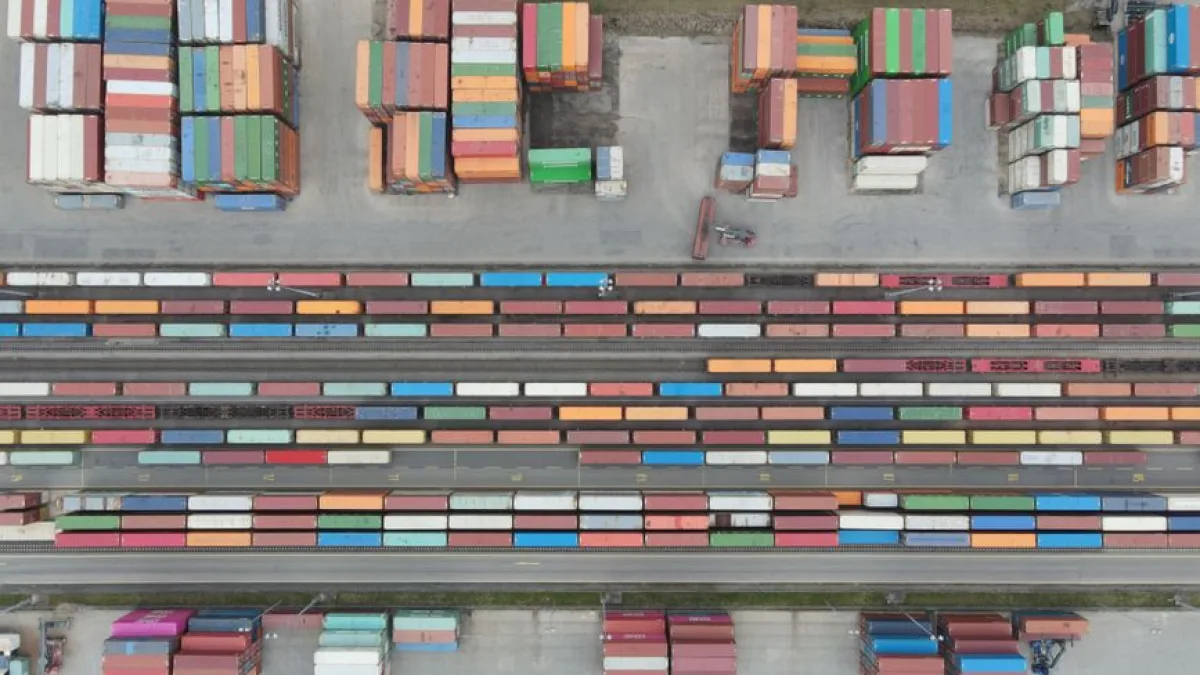
Visibility is the top priority for modern shippers who demand total transparency regarding the status of their cargo. Providing clients with accurate, live information regarding their assets helps build trust and long-term loyalty in a market where competition for freight service is extremely high.
- End-to-End Tracking: Comprehensive visibility tools cover every leg of the journey, giving you and your clients the peace of mind that cargo is moving as intended.
- Predictive Delay Alerts: Advanced analytics detect potential disruptions early, enabling you to notify clients ahead of time and offer alternative shipping solutions to keep cargo moving.
- Standardized Reporting Formats: Generating consistent and detailed performance reports for your clients highlights the value your services bring to their supply chain management and business operations.
- Inventory Management Integration: Linking your freight data with client inventory systems ensures that downstream supply chain participants remain informed about incoming stock levels and arrival timelines daily.
Increased transparency empowers your clients to make better-informed decisions regarding their own business operations. By eliminating information gaps, you position your forwarding company as a trusted partner rather than a simple service provider. This proactive communication style prevents panic during unexpected shipping disruptions, ultimately leading to higher retention rates and a stronger reputation within the broader logistics industry as a reliable expert.
Adapting to Market Volatility

Market volatility is the new normal, requiring forwarders to remain flexible and responsive to sudden changes in capacity or pricing. Strategies that prioritize adaptability allow businesses to survive economic shifts while capitalizing on new opportunities that emerge from disruption. Utilizing data analytics is essential for navigating these unpredictable cycles successfully.
- Data-Driven Forecasting: Historical shipping data helps you predict volume trends and price fluctuations, allowing you to prepare your strategy ahead of major market shift occurrences.
- Flexible Carrier Relationships: Maintaining a diverse network of carrier partners ensures that you can always find available space, even during periods of significant industry capacity shortages.
- Cost Management Strategies: Dynamic analysis of shipping lanes enables you to identify the most cost-effective routes, helping you maintain competitive pricing even when global rates spike.
- Risk Mitigation Planning: Implementing structured risk assessments for every major client contract protects your company from financial losses when unforeseen global events disrupt the shipping landscape.
Being prepared for volatility allows you to turn challenges into opportunities for growth. Instead of reacting to market changes, you can plan for them by using intelligence to guide your business decisions. Companies that embrace this analytical approach are better positioned to weather the storms of the logistics industry while continuously finding ways to optimize their services for maximum client satisfaction every time.
Conclusion

Successfully navigating the future of logistics requires a commitment to digital transformation and continuous improvement. By integrating cloud-based software, prioritizing supply chain visibility, and maintaining strategic flexibility, your forwarding business can thrive in any environment. Start assessing your current digital tools today to identify where you can implement these modern solutions and drive your logistics firm toward long-term operational success and profitability.