Future-Proofing Your Freight Forwarding Operations in a Volatile Market
Wednesday, September 16 2026
The global logistics landscape is undergoing a profound transformation driven by rapid technological integration and shifting trade dynamics. Freight forwarders today face unprecedented challenges, from unpredictable port congestion to stringent new environmental regulations that demand immediate action. To maintain a competitive edge, professionals must move beyond legacy manual processes and embrace digital agility. By leveraging cloud-based platforms and data-driven insights, forwarders can enhance transparency, reduce operational overhead, and provide superior service levels to their global clients. This article explores essential strategies for modernizing your operations to thrive amidst current market fluctuations and long-term industry evolution.
Embracing Cloud Integration
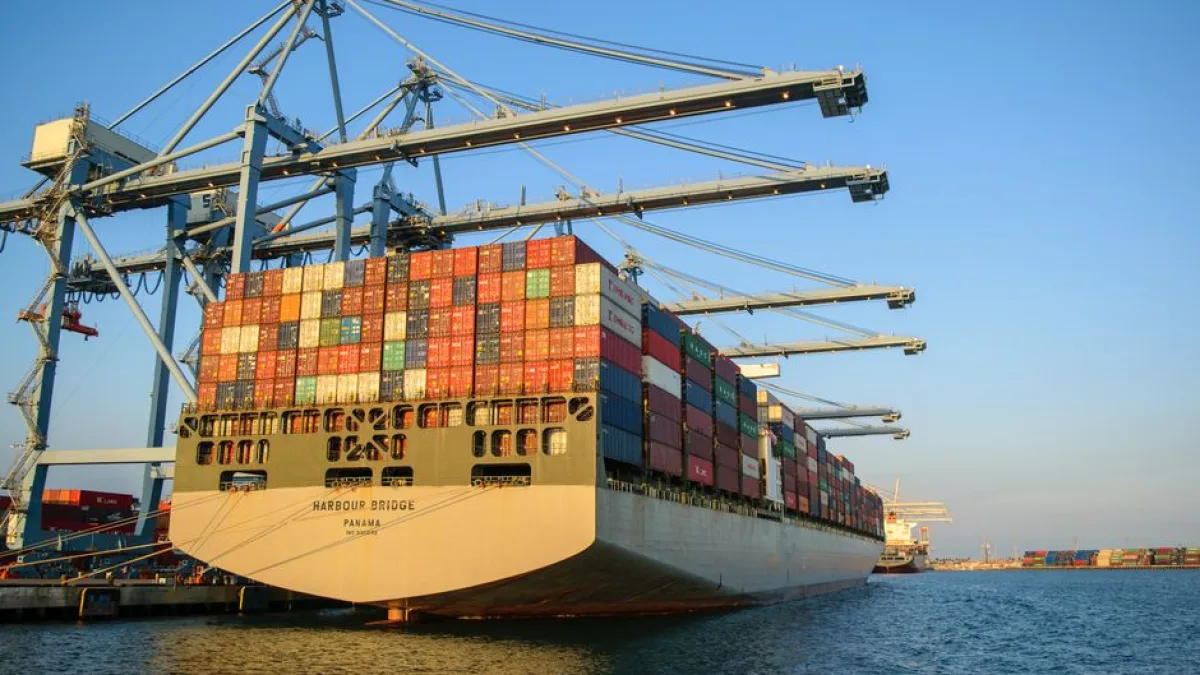
Digital transformation starts with the migration of legacy systems to the cloud, allowing for seamless connectivity across your entire logistics network. By centralizing data, forwarders gain a unified view of shipments that fosters better decision-making and significantly reduces communication latency between global partners.
- Automated Workflow Efficiency: Modern software platforms automate repetitive tasks such as documentation processing and invoice generation, which minimizes manual errors and allows your team to focus on high-value client relations.
- Real-time Data Access: Cloud systems provide instant updates on cargo status, ensuring that both internal teams and external stakeholders remain fully informed throughout the entire transit process without delays.
- Scalable Infrastructure Growth: Software solutions grow alongside your business, enabling you to manage increased shipping volumes easily without the need for expensive hardware investments or complex technical maintenance cycles.
- Enhanced Security Protocols: Top-tier cloud providers implement rigorous encryption and backup measures to protect your sensitive client data against cyber threats and unexpected system failures or local hardware issues.
- Seamless Partner Collaboration: Integrated portals facilitate transparent information sharing with carriers and customs brokers, creating a synchronized environment that eliminates fragmented communication and prevents costly bottlenecks in your supply chain.
Adopting a cloud-first approach allows your company to remain flexible in a constantly changing global market. As remote work becomes standard, your team requires the ability to access critical logistics documentation from anywhere in the world. Investing in robust cloud infrastructure is no longer an optional luxury but a fundamental necessity for firms aiming to maintain scalability while managing costs in an increasingly digital industry.
Navigating Customs Compliance

Managing complex international customs regulations requires precise accuracy and deep expertise to avoid expensive shipment delays. Utilizing automated compliance tools helps your team stay ahead of shifting trade laws, ensuring that all documentation is accurate, complete, and submitted to authorities on time.
- Automated Regulatory Updates: Intelligent software tracks ongoing changes in international trade laws and automatically adjusts your compliance protocols, keeping your operations fully aligned with current legal requirements across borders.
- Reduced Penalty Risks: Precise document validation features flag potential errors before submission to customs officials, drastically lowering the risk of fines and avoiding significant cargo holds at port terminals.
- Digital Document Archiving: Secure electronic filing systems ensure that every piece of documentation is organized and easily retrievable during audits, which simplifies the reporting process and saves valuable time.
- Harmonized Tariff Management: Automated classification tools assist your team in identifying the correct HS codes for diverse products, preventing inaccuracies that often lead to excessive duties or shipment inspections.
- Simplified Reporting Procedures: Standardized digital reporting formats make it easier to communicate with government agencies, reducing administrative friction and ensuring that your freight shipments move smoothly through necessary clearances.
Mastering the complexities of international customs is essential for maintaining client trust and protecting your profit margins. By digitizing the compliance process, forwarders can eliminate the unpredictability that leads to costly delays at borders. A proactive approach to regulatory changes demonstrates professional reliability, which distinguishes your firm from competitors and builds long-term partnerships with clients who prioritize safety and regulatory speed.
Optimizing Shipment Visibility

Providing customers with accurate, real-time shipment visibility is the cornerstone of modern freight forwarding. Advanced tracking technology transforms basic logistics into a value-added service, giving clients the insight they need to plan inventory levels effectively and respond quickly to transit changes.
- Live Tracking Metrics: Advanced dashboards provide minute-by-minute updates on cargo locations, allowing your team to proactively communicate any potential delays to clients before they become major operational issues.
- Automated Client Notifications: Proactive email and SMS alerts inform your customers about critical milestones, which builds confidence and reduces the number of inbound inquiries your support team handles.
- Predictive Delay Analytics: Data-driven insights identify potential risks such as bad weather or terminal strikes early, enabling you to suggest alternative routes before shipments become stuck in transit.
- Supply Chain Transparency: Providing a portal where clients view their own metrics creates a partnership based on trust, which improves retention rates and enhances the overall customer experience.
- Detailed Performance Reporting: Customizable reports provide clients with insights into their own shipping patterns, assisting them in identifying areas where they can improve their logistics efficiency and costs.
Visibility serves as a powerful differentiator in the crowded freight forwarding sector. Clients today expect immediate information, and providing it creates a transparent partnership that fosters loyalty. By integrating sophisticated tracking software, you empower your team to turn logistics into a strategic advantage, ensuring that your company remains the top choice for shippers who demand reliability and open communication in every shipment.
Prioritizing Sustainability Goals
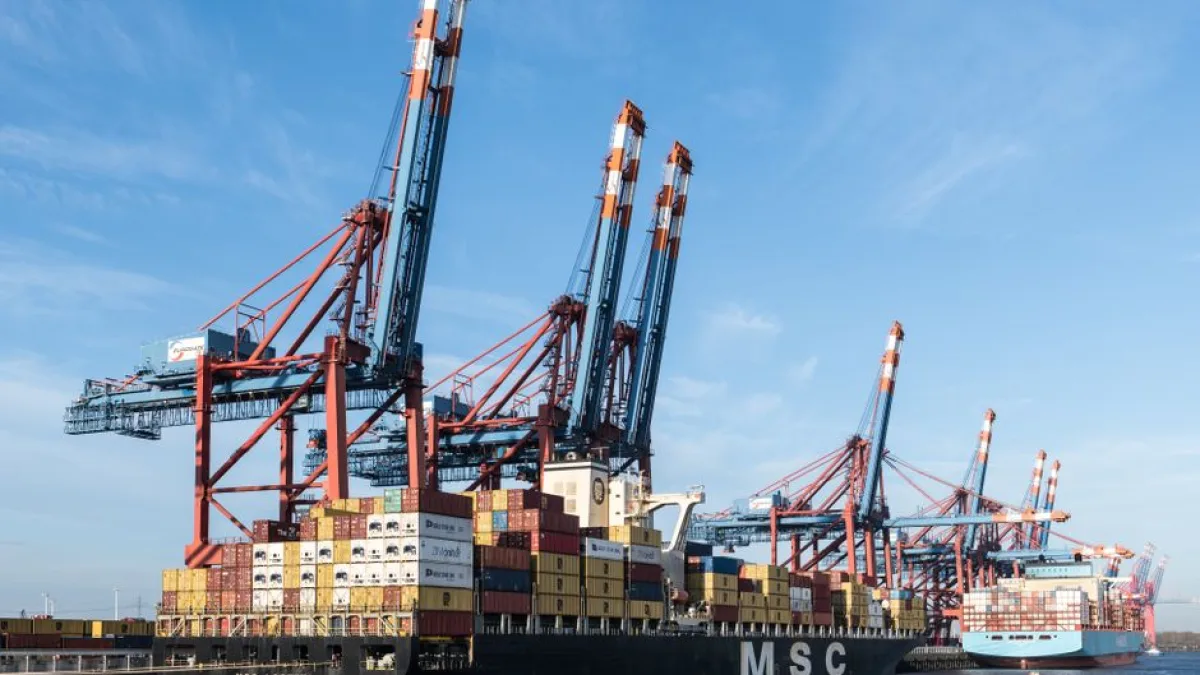
Sustainability is rapidly becoming a mandatory requirement rather than an optional corporate social responsibility goal. Forwarders who prioritize green initiatives can reduce their carbon footprint while attracting environmentally conscious clients who demand cleaner supply chain solutions in their own procurement processes.
- Carbon Emission Tracking: Software tools accurately calculate the environmental impact of various shipping routes, allowing you to present greener transport options to clients who prioritize environmental sustainability metrics.
- Efficient Route Optimization: Advanced algorithms analyze transit paths to minimize fuel consumption, which lowers overall costs and reduces the total volume of emissions produced during the shipping journey.
- Paperless Operational Processes: Moving to fully digital documentation reduces physical waste and lowers overhead costs, supporting your organization in achieving carbon neutrality goals while improving overall internal process speed.
- Partner Sustainability Audits: Assessing the environmental credentials of your carriers allows you to build a greener network, ensuring that your service offerings align with modern global ecological standards.
- Regulatory Compliance Alignment: Staying ahead of regional environmental mandates ensures that your business model remains sustainable and compliant as governments worldwide implement stricter carbon tax and reporting requirements.
Integrating sustainability into your core strategy is vital for future-proofing your forwarding business against tightening environmental regulations. By leveraging technology to measure and reduce carbon output, you provide significant value to clients aiming to meet their own green targets. This proactive stance not only benefits the planet but also strengthens your brand reputation as a responsible leader in the global logistics industry.
Conclusion

Success in the modern freight forwarding market requires a strategic blend of technological adoption and process optimization. By embracing cloud tools, automating customs compliance, enhancing visibility, and prioritizing sustainability, your business can effectively navigate current market volatility. Start implementing these changes today to build a more resilient organization that is capable of delivering exceptional value to clients while maintaining long-term growth and profitability.