Future-Proofing Your Freight Forwarding Operations in a Digital Era
Saturday, September 19 2026
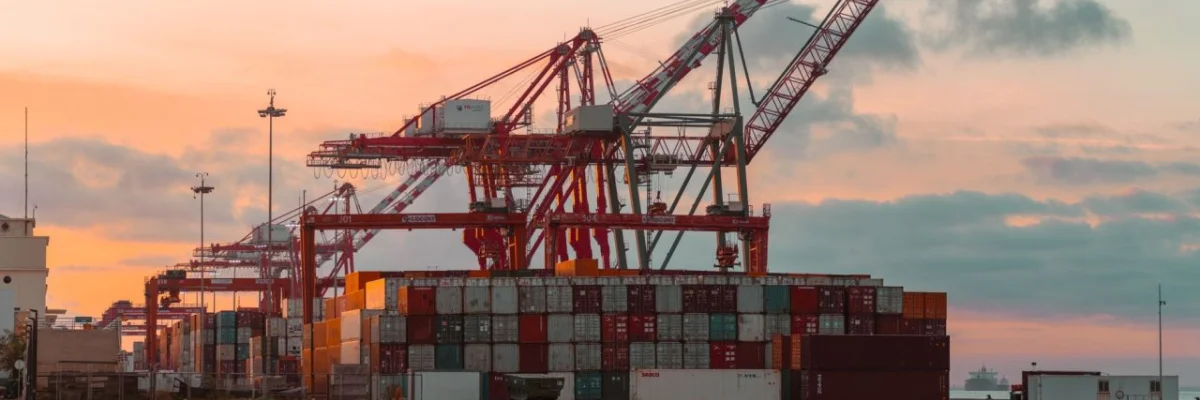
The global logistics landscape is undergoing a profound transformation as market volatility and rapid technological advancements redefine standard operating procedures. Freight forwarders are currently facing pressure to abandon manual workflows in favor of integrated digital platforms that offer real-time visibility and predictive analytics. Adapting to these shifts requires a strategic mindset focused on long-term sustainability rather than short-term fixes. By leveraging cloud-based infrastructure, companies can effectively navigate disruptions while improving operational efficiency across their entire supply chain network. Success today demands agility, precision, and a commitment to adopting innovative digital tools that prepare teams for the complex demands of modern international trade operations.
Embracing Cloud Integration

Cloud integration serves as the backbone for modern forwarding companies seeking to harmonize data across disparate systems. By hosting operations in the cloud, businesses can facilitate seamless collaboration, ensure data integrity, and enable remote access for their global teams during peak shipping seasons.
- Centralized Data Management: Storing all shipment documentation in a unified cloud environment reduces data silos and ensures that every stakeholder accesses the most current and accurate information instantly.
- Scalable Infrastructure Needs: Cloud solutions allow your business to scale resources up or down depending on seasonal volume fluctuations, ensuring that you never pay for unused server capacity.
- Enhanced Security Protocols: Top-tier cloud providers implement advanced encryption and threat detection systems that protect your sensitive cargo information far better than traditional local server hardware installations.
- Real-time Team Collaboration: Integrated platforms allow multiple offices and departments to coordinate tasks simultaneously, which significantly reduces communication delays that often result in costly manual processing errors.
Transitioning to cloud-based platforms allows forwarders to move away from rigid legacy systems that hinder growth. By centralizing operations, teams spend less time chasing paperwork and more time delivering value to clients. As data becomes the primary currency of the logistics industry, having a reliable digital foundation ensures your company remains competitive, resilient, and ready to meet the evolving expectations of global cargo shippers.
Optimizing Supply Chain Visibility
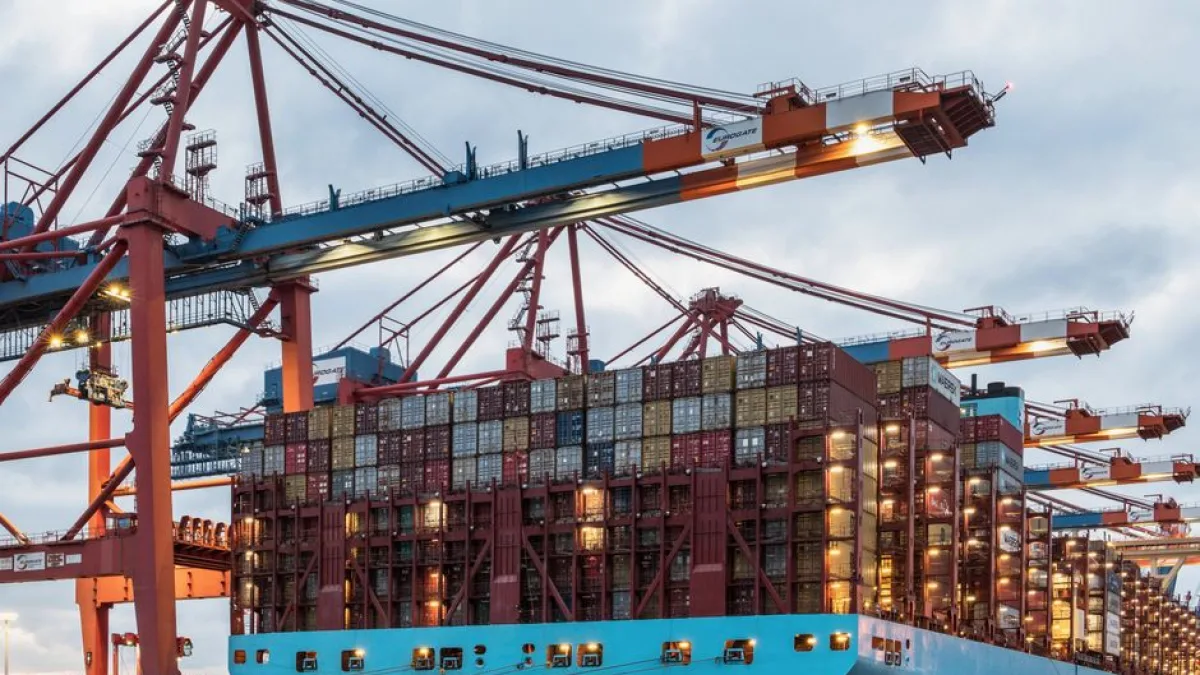
Visibility has become the most requested service feature for modern freight forwarders who deal with complex international routes. Providing clients with granular tracking capabilities requires robust software tools capable of aggregating data from carriers, port authorities, and local trucking partners.
- Predictive Milestone Tracking: Advanced software tools utilize automated data streams to provide accurate arrival estimates, helping your clients proactively manage their warehouse inventory based on real-time arrival data.
- Proactive Exception Management: Modern platforms automatically alert your operations team when a shipment deviates from its planned route, allowing for immediate corrective actions to avoid significant delays.
- Transparency for Clients: Granting your customers access to a dedicated portal for tracking shipments builds long-term trust and reduces the volume of repetitive status update inquiries daily.
- Carrier Performance Analysis: By tracking carrier lead times against your benchmarks, you can identify underperforming shipping lines and make data-driven decisions to optimize your future routing strategies.
Achieving total supply chain visibility transforms how forwarders interact with their client base by shifting from reactive to proactive communication. This level of clarity helps mitigate the risks associated with global trade disruptions while solidifying your reputation as a reliable logistics partner. When your clients can see exactly where their goods are, they gain confidence, which leads to higher retention and growth.
Automating Routine Documentation

The manual nature of customs declarations and shipping invoices remains a major bottleneck for many traditional forwarders. Automation technology allows teams to generate accurate documentation in seconds, virtually eliminating the risk of human error in sensitive international shipping paperwork.
- Smart Document Generation: Intelligent software templates auto-populate fields based on previous shipments, which significantly accelerates the booking process while ensuring full compliance with international maritime trade regulations.
- Digital Compliance Checks: Automated audit tools verify every line item against regional customs requirements, preventing costly administrative delays caused by incorrect filings or missing shipment documentation details.
- Paperless Workflow Adoption: Digital storage reduces the reliance on physical filing cabinets, lowering your operational overhead and making document retrieval instantaneous for future audits or client inquiries.
- Optimized Data Entry: Optical character recognition features can scan paper documents and convert them into digital files, saving your operations staff hours of tedious manual data typing.
Automation does not replace the human element of freight forwarding but rather enhances it by removing the burden of repetitive tasks. By embracing digital document automation, your staff can focus on high-value activities like relationship management and strategic route planning. This shift increases the capacity of your team, enabling your business to handle larger volumes without needing to increase your permanent headcount.
Leveraging Predictive Analytics

Data is the most valuable asset a logistics provider possesses in the modern era of trade. Utilizing predictive analytics allows forwarders to anticipate market trends, manage equipment availability, and optimize pricing models based on historical performance metrics and current global economic data.
- Demand Forecasting Accuracy: Analytical tools examine historical shipping patterns to predict upcoming demand spikes, allowing your company to secure space on vessels well before the peak season begins.
- Dynamic Pricing Strategies: Data-driven insights enable you to adjust service rates in response to shifting carrier surcharges, ensuring your profit margins remain protected during periods of volatility.
- Operational Efficiency Benchmarks: Regularly reviewing key performance indicators helps your leadership team identify internal process inefficiencies that may be slowing down your overall shipment cycle times significantly.
- Risk Mitigation Modeling: Predictive software can simulate various geopolitical or climate scenarios to help your team prepare contingency plans for potential disruptions in critical international transit corridors.
Predictive analytics turns raw data into actionable intelligence that drives smarter business decisions across your organization. By understanding the patterns governing global trade, forwarders can position themselves ahead of the curve rather than chasing market changes. This analytical capability is the key to maintaining long-term profitability and demonstrating superior market knowledge to your clients in an increasingly complex and crowded logistics marketplace.
Conclusion

Navigating the future of freight forwarding requires a commitment to digital excellence and constant process improvement. By integrating cloud technology, prioritizing shipment visibility, automating documentation, and utilizing predictive data, your firm will gain a distinct competitive edge. Embrace these technological shifts today to ensure your operations remain efficient and profitable. Visit our platform website to discover how we can help you achieve your goals.