Future-Proofing Your Freight Forwarding Operations in a Digital Era
Thursday, October 8 2026
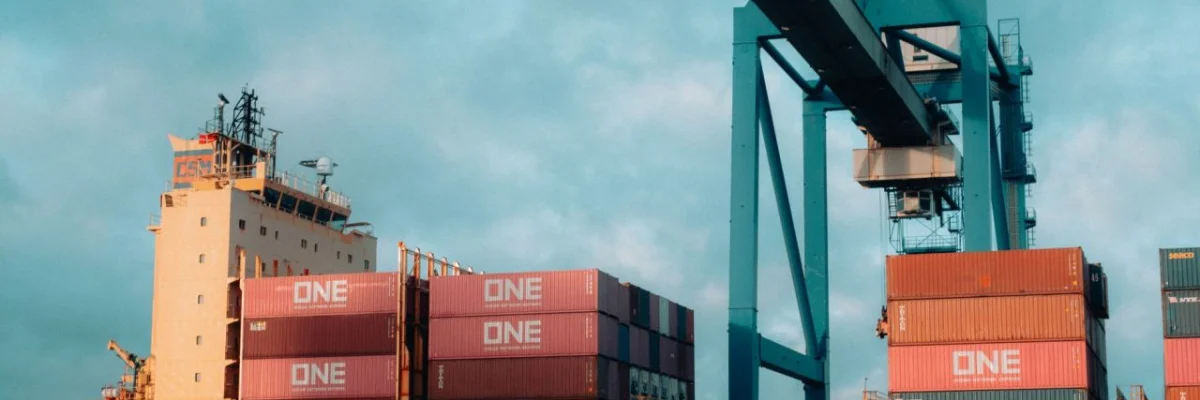
The global logistics landscape is undergoing a massive transformation driven by rapid technological advancements and shifting trade patterns. For freight forwarding professionals, maintaining a competitive edge requires more than just traditional shipping expertise. Companies must now leverage cloud-based platforms to enhance transparency, improve operational efficiency, and meet the growing demands of modern supply chains. As manual processes become obsolete, forwarders who embrace digital integration are better positioned to scale their businesses. This shift toward intelligent automation and data-driven decision making ensures that logistics providers can navigate complex market volatility while providing exceptional service to their global client base.
Adapting to Automated Logistics

Automation in warehouses and distribution centers has revolutionized how cargo is handled and sorted for transport. By implementing advanced robotics and sorting systems, forwarders can significantly reduce manual errors while increasing the speed of cross-docking operations for their international shipments.
- Robotic sorting systems: Automated conveyor belts and sorters utilize high-speed scanning to categorize freight packages instantly, which drastically improves processing times and minimizes human handling errors during transit operations.
- Warehouse management software: Integrated digital platforms track inventory levels in real-time, allowing forwarders to provide accurate stock information and streamline the flow of goods through their busy facilities.
- Predictive maintenance tools: IoT sensors monitor the health of heavy machinery, preventing costly equipment failures and ensuring that operational workflows remain consistent without unexpected downtime or maintenance delays.
- Enhanced scanning technology: Barcode and RFID scanners capture shipment data at every touchpoint, offering granular visibility that enables faster customs clearance and improves overall shipment accuracy levels.
These automated solutions do more than just speed up the daily workflow of a logistics professional. They provide a foundational shift that allows teams to focus on strategic growth rather than routine tasks. As technology evolves, adopting these tools early will prevent obsolescence. Forwarders who integrate these systems now will enjoy reduced overhead costs and a significant advantage in the global market today.
Leveraging Cloud Connectivity

Cloud computing serves as the digital backbone for modern freight forwarding, enabling teams to access critical shipment data from anywhere in the world. This centralized approach eliminates information silos and ensures that every stakeholder remains informed through secure real-time connectivity.
- Centralized data access: Cloud-based platforms provide a single source of truth for shipment tracking, allowing agents and clients to view live updates simultaneously across all global locations.
- Seamless team collaboration: Digital document sharing capabilities allow remote teams to work together efficiently, reducing the need for lengthy email chains and preventing loss of essential paperwork.
- Data security protocols: Modern cloud providers implement robust encryption methods, ensuring that sensitive customer information and trade documents are protected against unauthorized access or potential cyber threats.
- Scalable infrastructure options: Businesses can adjust their storage and processing power dynamically, allowing freight firms to expand their operational capacity without needing to invest in expensive hardware.
The ability to access data in the cloud is no longer a luxury but a fundamental necessity for modern forwarding firms. By moving away from legacy software, companies gain the agility required to react to market disruptions instantly. This digital transition ensures that teams can coordinate complex international moves with precision while maintaining the highest levels of security for their valued clients.
Prioritizing Supply Chain Transparency
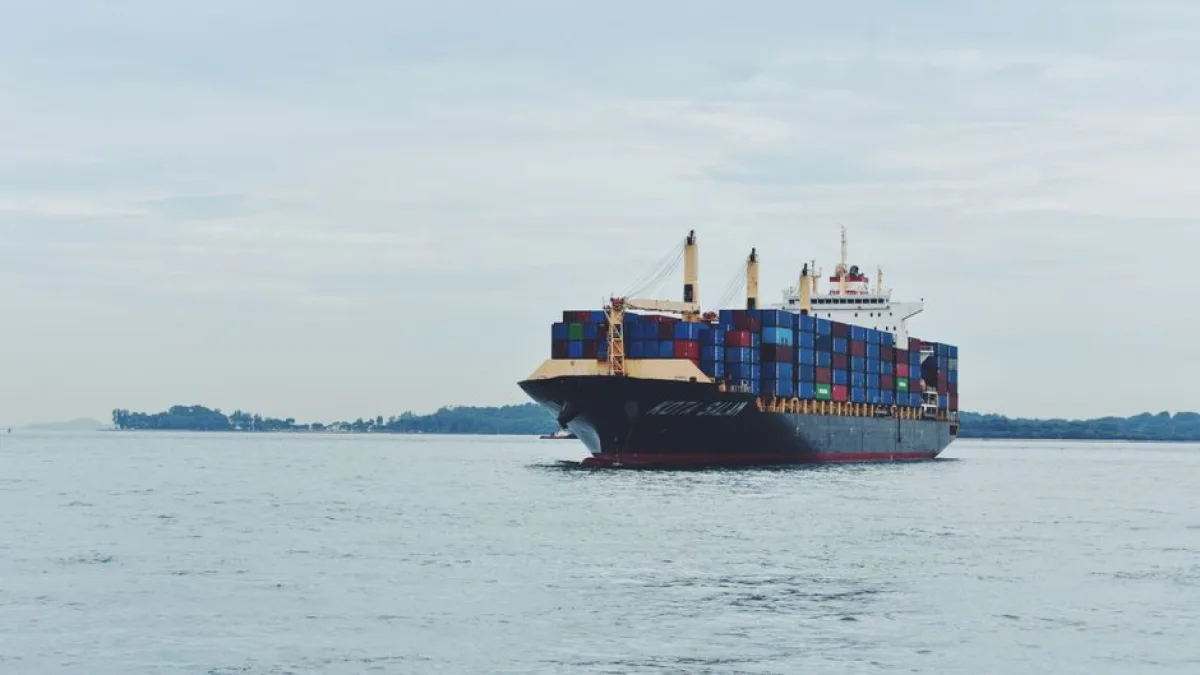
Transparency has become the primary demand for modern cargo owners who require constant visibility into their supply chain activities. Delivering this level of insight requires the right software to bridge the gap between initial booking and the final delivery point.
- Real-time shipment tracking: Advanced API integrations provide instant location updates for cargo, allowing forwarders to inform customers proactively about any potential delays or changes in transit schedules.
- Automated status notifications: Smart software triggers alerts for key milestones, keeping stakeholders updated without requiring manual check-ins, which builds long-term trust and improves professional service standards.
- Document management systems: Storing all shipping bills and customs declarations in one accessible location allows for rapid retrieval during inspections, streamlining the complex clearance process for everyone.
- Interactive client portals: Dedicated customer interfaces empower clients to manage their own bookings and view documentation, which reduces administrative workload while fostering a more transparent partnership model.
Providing deep visibility into the freight process is the most effective way to improve customer satisfaction and retention. When clients feel confident that their goods are being monitored carefully, they are much more likely to repeat business with your company. Prioritizing these digital transparency tools creates a stronger brand reputation while reducing the time spent answering routine status update inquiries daily.
Harnessing Data Analytics

Data analytics transforms raw logistics information into actionable business intelligence that guides strategic decision making. By analyzing historical shipping patterns, forwarders can identify new revenue opportunities and optimize their service offerings for a more profitable and sustainable business model.
- Trend analysis reports: Detailed software reporting identifies seasonal peaks and valleys in shipping volume, helping firms allocate resources effectively to meet changing demand during the busy fiscal year.
- Cost management insights: Tracking specific lane profitability through analytical tools enables forwarders to negotiate better carrier rates and improve overall margins on complex international shipment routes for clients.
- Carrier performance metrics: Monitoring the reliability of shipping lines and transport partners allows companies to filter out underperforming vendors, ensuring that high quality service standards are maintained.
- Market demand forecasting: Using past performance data to predict future needs assists in proactive capacity planning, which helps avoid common shipping bottlenecks during periods of high congestion.
Turning data into strategy is what separates top performers from the rest of the industry. When managers understand the underlying metrics of their operations, they can make informed choices that improve efficiency and profitability simultaneously. By continuing to invest in sophisticated analytical tools, freight forwarding professionals ensure their businesses stay resilient, adaptable, and ready for whatever challenges the future global economy may bring.
Conclusion

Digital transformation remains the key to thriving in the competitive world of freight forwarding. By embracing automation, cloud connectivity, total transparency, and data analytics, professionals can build robust operations that withstand market volatility. Start your journey toward a more efficient future by assessing your current software capabilities today. Contact MakeCargo to learn how our platform can support your growth in this fast-moving global industry.