Future-Proofing Your Freight Forwarding Operations in a Digital Era
Thursday, October 15 2026
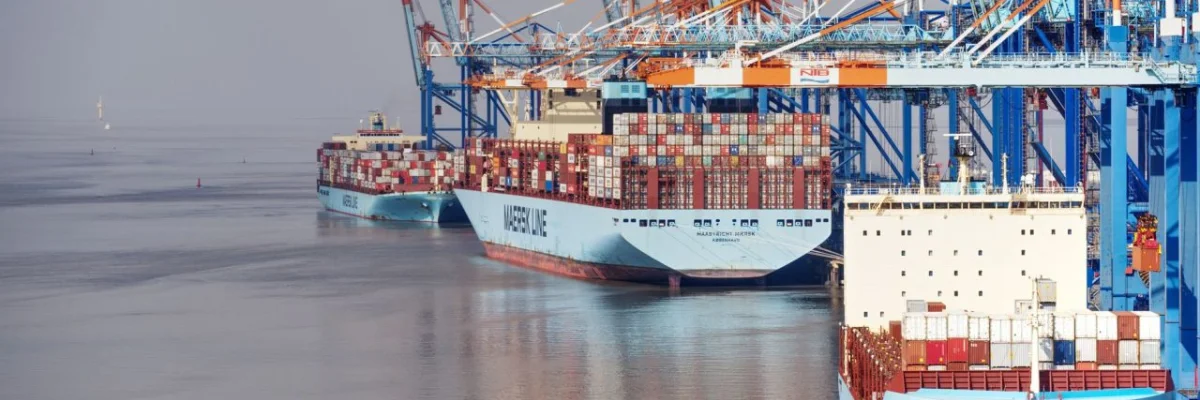
The global logistics landscape is undergoing a massive transformation driven by rapid technological adoption and changing consumer expectations. Freight forwarders are currently balancing the need for traditional operational excellence with the urgent requirement for digital agility. As supply chain complexities increase due to global trade volatility and heightened demand for transparency, professionals must pivot toward integrated software solutions. Embracing cloud-based platforms allows businesses to modernize workflows, reduce manual errors, and provide real-time data to clients. This transition is no longer optional but a critical necessity for maintaining competitive advantages in an increasingly crowded international marketplace during these unpredictable economic times.
Optimizing Warehouse and Inventory Management

Efficient inventory management remains the backbone of successful logistics operations by ensuring that stock levels meet demand without incurring unnecessary overhead costs. Implementing automated tracking systems within your warehouse reduces human error while significantly increasing the speed of order fulfillment.
- Real-time visibility tools: Modern platforms offer live monitoring of stock levels across multiple locations to prevent unexpected shortages or costly overstock situations for your clients and partners.
- Automated picking processes: Reducing manual intervention through scanner integration helps your warehouse staff locate items faster, leading to improved throughput and higher overall customer satisfaction levels daily.
- Predictive demand analytics: Leveraging historical data allows freight forwarders to forecast future inventory needs accurately, helping businesses prepare for seasonal spikes or unexpected global supply chain disruptions.
- Seamless cloud integration: Connecting your inventory data directly to customer-facing portals ensures that stakeholders receive accurate information updates, fostering deeper trust and stronger long-term business relationships.
By streamlining internal warehouse protocols, forwarders create a more stable environment for scaling their services globally. These improvements allow teams to focus on strategic high-value tasks rather than repetitive administrative chores. As you implement these digital solutions, the immediate reduction in operational bottlenecks becomes evident, paving the way for consistent growth and improved margins that define a truly successful modern freight forwarding enterprise today.
Enhancing Digital Freight Documentation

Documentation management often represents a significant bottleneck for busy logistics teams dealing with cross-border trade. By digitizing bills of lading and customs declarations, forwarders eliminate paper-heavy workflows that are prone to loss and delays during complex international shipments.
- Automated document creation: Intelligent software templates significantly reduce the time spent drafting repetitive legal paperwork, ensuring consistency and accuracy across every single shipment handled by your team.
- Secure cloud storage: Keeping all critical shipping documents in a centralized, encrypted environment protects sensitive data while ensuring easy access for authorized personnel across different time zones.
- Simplified compliance reporting: Automated features generate necessary customs reports, helping forwarders stay compliant with changing international regulations and avoiding costly fines or shipping delays at border crossings.
- Electronic signature integration: Incorporating e-signature capabilities into your workflow speeds up approval processes, allowing shipments to move through customs quickly without waiting for physical document signatures or mail.
Digital documentation represents a massive leap forward for companies aiming to reduce their environmental footprint and operational overhead simultaneously. By centralizing these records, your staff gains the ability to retrieve vital information instantly during audits or customer inquiries. This level of efficiency not only builds professional credibility but also ensures that every shipping process remains compliant with modern international trade standards.
Leveraging Advanced Data Analytics

Data is the most valuable asset available to modern freight forwarders seeking to improve their decision-making processes. Analyzing performance metrics allows firms to identify hidden trends and operational weaknesses before they manifest into larger systemic problems during the busy shipping season.
- Performance tracking metrics: Monitoring key performance indicators like transit times or port congestion helps identify areas where your team can improve speed and reliability for clients.
- Customer behavior insights: Understanding your customers shipping patterns enables personalized service offerings, which helps build brand loyalty and increases the overall lifetime value of your accounts.
- Cost analysis tools: Detailed reporting on shipping lanes and carrier expenses provides a clear view of your financial health, identifying opportunities for better pricing and negotiation.
- Trend forecasting models: Utilizing predictive software helps you anticipate shifts in global market conditions, allowing your firm to pivot strategies quickly to maintain stable service levels.
Data-driven organizations consistently outperform competitors because they act based on objective evidence rather than intuition. By investing in robust analytics, you transform raw data into actionable insights that optimize routes and lower costs. This strategic approach ensures that every decision made contributes to the long-term viability of your freight forwarding business in a competitive global market that demands total precision.
Building Stronger Partner Networks

Building reliable relationships with carriers and vendors is essential for navigating the complexities of international trade. A well-managed partner network provides the necessary flexibility to handle sudden disruptions or surges in shipping volume throughout the difficult and unpredictable year.
- Collaborative communication channels: Dedicated platforms for vendor messaging reduce email clutter, ensuring that every partner stays informed about current shipment statuses and important operational changes or updates.
- Shared visibility portals: Allowing partners access to specific shipment data creates transparency, which reduces friction and resolves common misunderstandings that often occur within the global supply chain.
- Performance evaluation metrics: Regularly reviewing vendor performance through automated scores ensures that you only work with the most reliable partners, maintaining your own high service standards.
- Seamless partner onboarding: Using automated digital onboarding tools makes it easy to bring new partners into your network, significantly reducing administrative overhead and speeding up operations.
Strong relationships act as a buffer against volatility, providing your business with dependable options when market conditions change. By prioritizing communication and mutual visibility, forwarders can foster long-term partnerships that drive collective success. These connections are the secret to maintaining service quality even during peak seasons, ensuring that your clients always receive the exceptional logistics support that they expect from your brand.
Conclusion
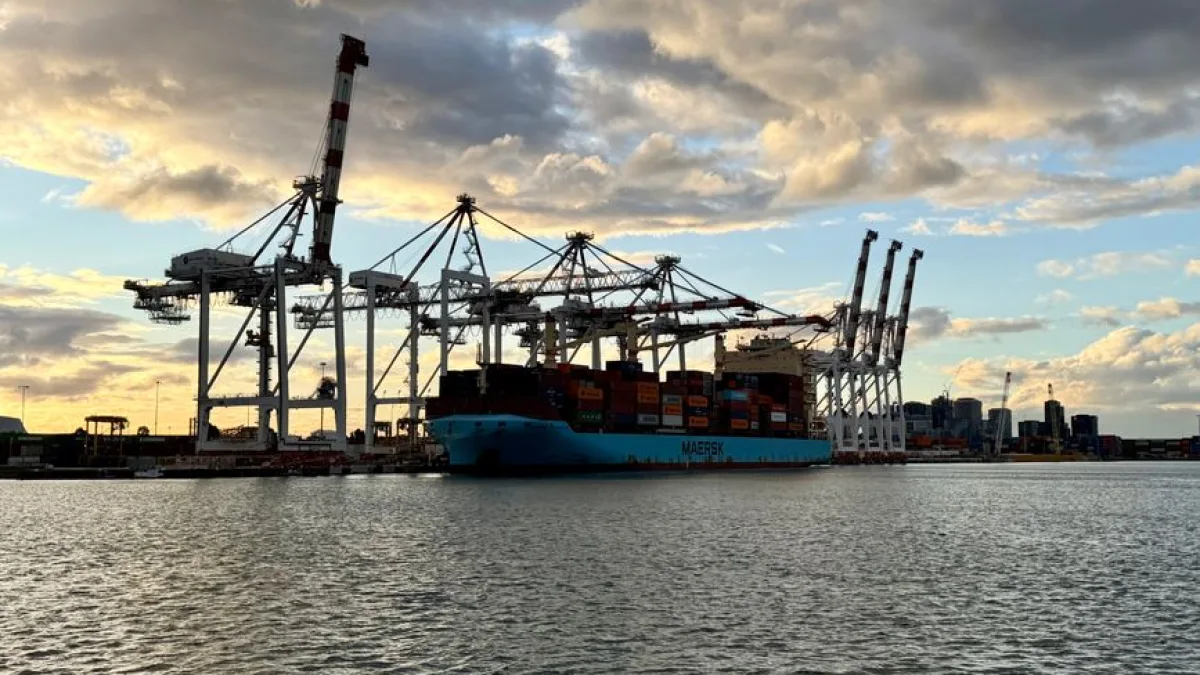
Modernizing your freight forwarding business is a continuous journey that requires the right technological foundation and a commitment to constant improvement. By automating documentation, leveraging analytics, and strengthening your partner network, you position your firm for sustained success in a digital-first economy. Embrace these changes today to enhance your operational efficiency and provide superior service levels that set your business apart from competitors.