Future Trends in Freight Forwarding Efficiency
Sunday, November 1 2026

The global logistics landscape is undergoing a massive transformation driven by rapid technological advancement and changing trade demands. As freight forwarders navigate these complex shifts, the need for agile, cloud-based solutions becomes paramount for maintaining a competitive edge. From automation to real-time visibility, professionals are forced to rethink legacy processes to improve service quality. This article explores essential strategies for forwarders looking to optimize their operations in an increasingly digital world. By embracing innovation, freight companies can effectively reduce operational friction, lower overhead costs, and deliver superior value to their global customers while ensuring compliance with evolving international shipping regulations.
Digital Transformation Strategies

Digital transformation is no longer a luxury but a necessity for forwarders who aim to survive today. Integrating smart platforms allows teams to manage documentation and tracking seamlessly, ensuring that data flows without human error across every single logistics stage.
- Automated Workflow Integration: Implementing software that triggers automated tasks significantly reduces manual data entry requirements and allows your team to focus on high-value client communication instead of repetitive administrative chores.
- Cloud Data Centralization: Hosting all logistics documents in a secure cloud environment ensures that your entire global team accesses the same real-time information to prevent costly synchronization errors.
- Advanced Analytics Deployment: Using data visualization tools provides deep insights into your shipping performance and identifies recurring bottlenecks that may be inflating your overall operational costs during transit.
- Customer Portal Development: Providing clients with a personalized web interface increases transparency by allowing them to check their shipment status independently without needing to call your office.
Adopting these digital strategies creates a robust foundation for growth in a volatile market. When logistics firms prioritize technology, they build resilience against disruptions and improve client trust through consistent service delivery. Investing in a scalable software platform now will save significant resources over time, allowing your company to handle increased shipping volumes with ease while maintaining accuracy across your entire network.
Optimizing Ocean Freight Operations
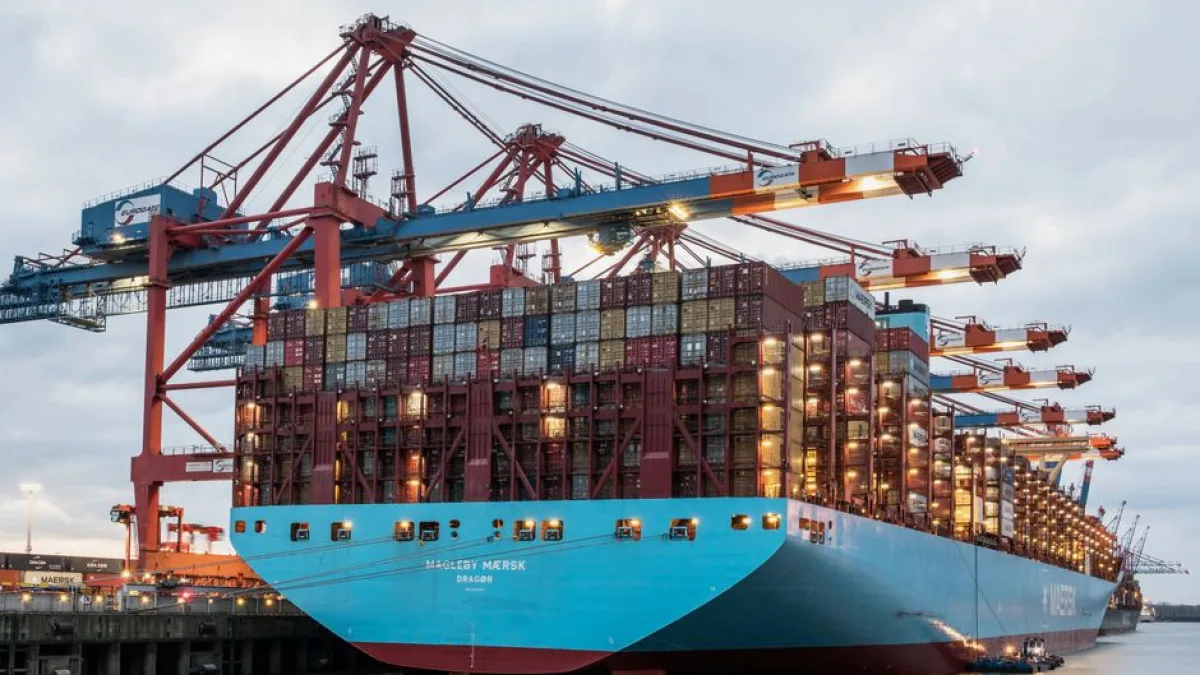
Ocean freight remains the backbone of international trade, yet its complexity often leads to significant delays and budget overruns. Forwarders must utilize precise tracking and route optimization tools to manage vessels efficiently while minimizing the environmental impact of shipping.
- Route Optimization Tools: Leveraging sophisticated routing software helps dispatchers identify the most efficient paths to reduce fuel consumption and decrease the total time spent during transit cycles worldwide.
- Real-time Vessel Tracking: Monitoring ship movements through satellite integrations allows forwarders to provide accurate updates to clients, ensuring that cargo arrival times remain predictable despite maritime delays.
- Carrier Capacity Management: Strategic planning for space allocation on container vessels helps avoid last minute premiums and ensures your cargo space is reserved at competitive market rates.
- Documentation Accuracy Focus: Implementing digitized bill of lading processes ensures that all regulatory paperwork is submitted without errors, preventing fines or delays at busy international ports.
Managing ocean freight effectively requires a proactive approach to potential bottlenecks and vessel schedules. By utilizing cloud technology to coordinate with carriers, forwarders can keep shipments moving smoothly across borders. This operational control reduces the risk of expensive demurrage fees and enhances the reputation of your company as a reliable partner capable of handling complex international logistics with precision and speed.
Enhancing Last Mile Delivery

The final stage of the shipping journey often determines the overall customer satisfaction score. Coordinating local transport requires extreme flexibility and constant communication to navigate traffic, urban congestion, and last minute schedule changes that impact delivery promises to recipients.
- Route Planning Automation: Software solutions that calculate optimal delivery paths based on traffic conditions help drivers reach their destination faster while reducing fuel usage and vehicle wear costs.
- Instant Status Updates: Providing real time notifications to end customers regarding their package location builds trust and reduces the volume of support tickets handled by your team.
- Proof of Delivery: Mobile applications that allow drivers to capture electronic signatures and photos ensure a clear audit trail that protects your company from future liability claims.
- Local Carrier Collaboration: Building strong networks with reliable local couriers enables forwarders to expand their delivery footprint and handle overflow volume during busy peak shipping holiday seasons.
Success in the last mile relies on visibility and speed. Freight forwarders who invest in mobile-first technology empower their drivers and satisfy their customers. By minimizing the uncertainty of the final leg, you ensure that your service quality remains high from departure to destination. These small improvements at the end of the supply chain contribute to higher client retention and increased profitability.
Building Resilient Supply Chains
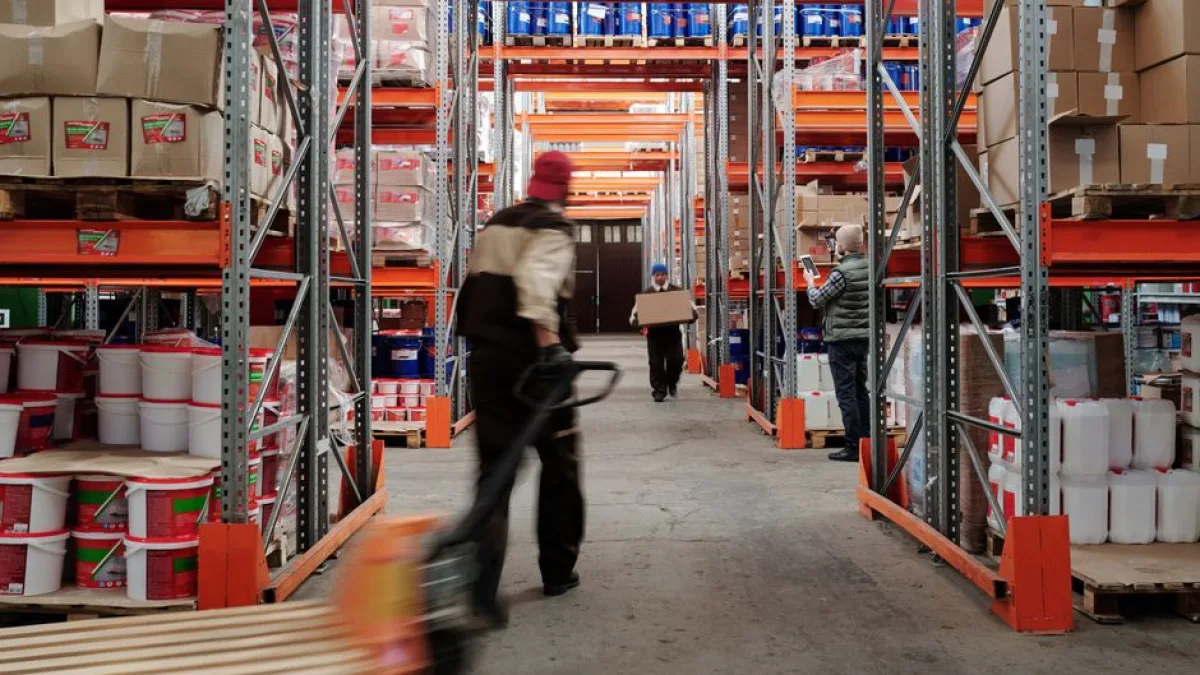
Building resilience requires planning for the unexpected. Global supply chains face frequent disruptions from natural disasters to political shifts, making it vital for forwarders to maintain flexible backup plans and diversified logistics strategies to keep goods moving continuously.
- Supplier Diversification Tactics: Working with a wider variety of transport partners helps mitigate the risk of relying on a single provider who may face localized operational or strikes.
- Proactive Risk Assessment: Regularly analyzing your supply chain nodes for vulnerabilities allows you to create contingency plans that can be activated instantly if a primary route closes.
- Agile Inventory Management: Maintaining clear visibility over cargo inventory levels prevents stockouts and helps clients optimize their storage space during unpredictable shipping periods or market demand fluctuations.
- Cross-functional Team Training: Developing internal teams with multi-departmental expertise ensures that your operations continue running smoothly even when specific staff members are unavailable due to unexpected absences.
Resilience is about preparing for volatility before it strikes your organization. By utilizing data-driven insights and maintaining strong partner relationships, forwarders can navigate global disruptions without compromising their core commitments to clients. A well-prepared company views these challenges as opportunities to demonstrate reliability and expertise. Focus on building a flexible infrastructure that supports long-term growth and stability for your logistics firm.
Conclusion

Freight forwarding is entering a new era defined by digital connectivity and data-driven decision making. By investing in cloud technology and prioritizing operational efficiency, forwarders can overcome traditional industry challenges. Now is the time to modernize your processes, empower your staff, and provide your clients with the transparency they demand. Choose a software partner today to elevate your business performance and thrive in the modern market.