Future Trends in Global Freight Forwarding Automation
Saturday, October 10 2026

The landscape of global freight forwarding is undergoing a profound transformation driven by rapid technological integration and shifting trade dynamics. As supply chains grow more complex, forwarders must balance operational agility with the need for enhanced digital connectivity across all logistical touchpoints. Industry leaders are now leveraging cloud-based platforms to streamline documentation, automate customs processing, and improve overall shipment visibility. By embracing these innovative digital solutions, logistics businesses can effectively reduce manual errors, optimize resource allocation, and remain competitive in an increasingly volatile market environment while ensuring that customer expectations for real-time tracking and transparent communication are consistently met.
Embracing Digital Transformation
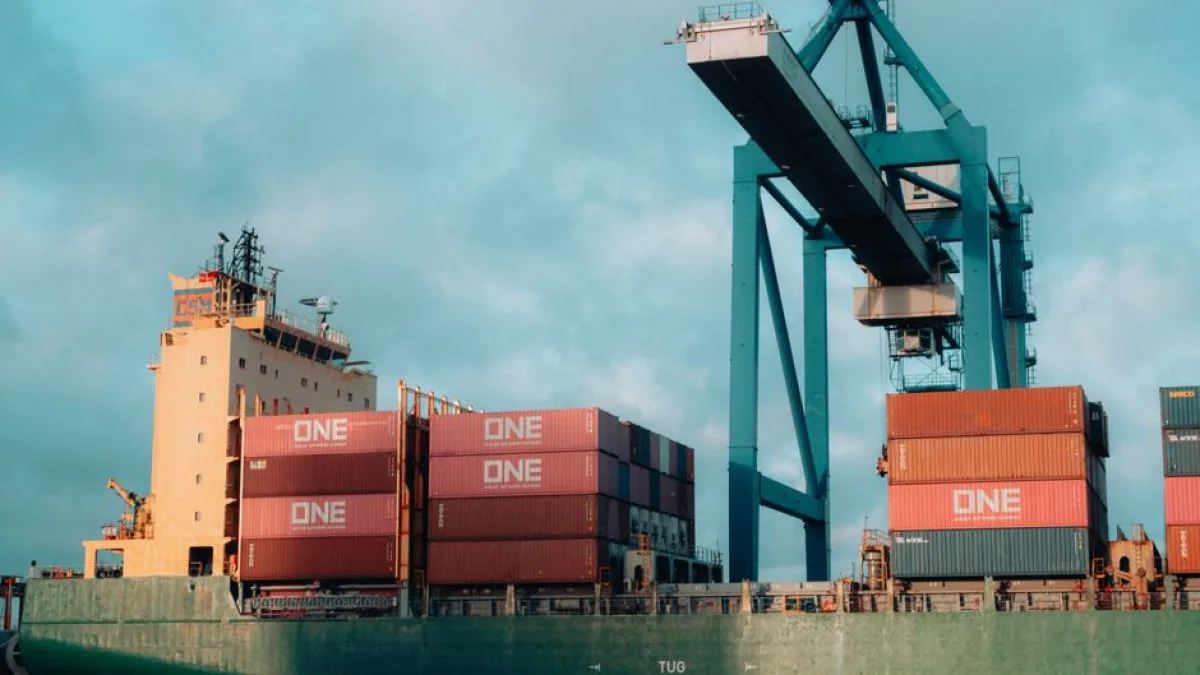
Digital transformation represents the core evolution for modern logistics companies seeking to optimize their daily operations. By shifting away from legacy paper-based systems, forwarders can unlock significant efficiency gains and maintain a robust competitive edge in a crowded market.
- Automated Workflow Management: Intelligent software platforms allow forwarders to automate repetitive tasks like invoicing and booking entries which significantly reduces the administrative burden on your dedicated office staff members.
- Cloud Data Storage: Centralizing critical documentation in the cloud ensures that your global team can access sensitive files securely from any location without risking data loss or fragmentation.
- Real-time Data Integration: Modern platforms sync instantly with carrier systems to provide immediate updates regarding shipment statuses, effectively eliminating the need for constant manual checks or email follow-ups.
- Enhanced Cybersecurity Protocols: Protecting client shipment data requires advanced encryption standards that cloud platforms provide as a standard feature to prevent unauthorized access and potential information breaches today.
Adopting these cloud-based technologies is no longer just a luxury for the largest players in the industry. Small and medium enterprises now have access to powerful tools that level the playing field, allowing them to compete with global giants. By integrating automated workflows, your business can reclaim hundreds of hours previously spent on manual data entry tasks, ultimately allowing your team to focus on strategic growth.
Optimizing Ocean Freight Logistics

Navigating the complexities of ocean freight requires precise coordination and constant monitoring of vessel schedules. Digital tools offer forwarders the capability to manage port congestion and schedule changes proactively through predictive analytics and comprehensive, centralized shipment oversight systems.
- Predictive Capacity Planning: Advanced algorithms help forwarders anticipate peak season demands and secure vessel space long before traditional booking windows open, ensuring stable pricing for your valued shipping clients.
- Container Tracking Accuracy: Precise GPS integration provides granular visibility into container movements from the point of origin to the final destination, minimizing uncertainty for every single party involved.
- Efficient Port Management: Software solutions help monitor port congestion metrics in real-time, allowing forwarders to reroute shipments strategically to avoid costly delays and extended demurrage fees at arrival.
- Automated Bill Loading: Simplifying the complex documentation process associated with ocean freight ensures that manifest entries are accurate and compliant with international maritime standards and regulations everywhere.
Precision in ocean freight is the hallmark of a successful forwarder. When you utilize data-driven insights to manage your shipping lanes, you minimize the risks associated with unpredictable weather patterns and logistical bottlenecks. Investing in robust tracking software allows you to transform from a reactive service provider into a proactive logistics partner, building lasting trust and reliability with your international client base daily.
Streamlining Customs Clearance Processes

Customs clearance remains one of the most significant pain points for forwarders due to constant regulatory changes. Digital integration simplifies the compliance process by automating declaration filings and providing up-to-date information on international trade tariffs and government-imposed shipping restrictions.
- Automated Compliance Checking: Software automatically validates documentation against current customs regulations to ensure that every shipment entry is compliant before it ever reaches the local port authorities globally.
- Electronic Filing Systems: Replacing paper declarations with direct electronic integrations reduces processing time by several days and minimizes the risk of human error in sensitive tariff classification.
- Tariff Management Updates: Dynamic software systems notify your team about sudden changes in trade policies or new tax structures so you can adjust your quotes accordingly and promptly.
- Risk Assessment Tools: Integrated modules analyze historical shipment data to identify potential compliance flags before they lead to inspections, fines, or extended delays at the border crossings.
Effective customs management relies on speed and accuracy. By automating the filing process, you ensure that your shipments move through borders without unnecessary friction or costly detention charges. A digital approach to customs allows your team to handle higher volumes with greater confidence, knowing that every piece of documentation meets the strict legal requirements of the destination country with minimal manual oversight.
Enhancing Client Communication Channels

Exceptional client service is defined by transparency and the speed of communication regarding critical shipment updates. Cloud platforms provide clients with direct access to shipment dashboards, reducing the volume of status inquiries handled by your operations team every day.
- Client Portal Access: Providing customers with secure login credentials allows them to view shipment statuses, download invoices, and check documentation without needing to contact your support office directly.
- Automated Status Alerts: Customizable email or SMS notifications keep your clients informed at every major milestone of the supply chain process, ensuring total peace of mind throughout.
- Centralized Communication Hub: Storing all correspondence related to a specific booking within the platform keeps your entire team on the same page and maintains a clear audit trail.
- Customizable Reporting Tools: Generate detailed performance reports for your clients at the touch of a button to demonstrate value and identify opportunities for further logistical cost savings.
Building strong client relationships requires modern tools that empower your customers. When you provide them with a transparent view into their logistics operations, you create a partnership based on data and trust. Moving away from scattered email threads to a centralized portal significantly elevates your service standards, helping you retain clients longer and attract new business through a reputation for modern, transparent service.
Conclusion
Staying ahead in the freight forwarding industry requires a consistent commitment to digital modernization and operational efficiency. By leveraging cloud-based platforms, you can transform your business processes, enhance client transparency, and navigate the complexities of global trade with increased confidence. Start your journey toward full digital integration today by exploring the latest features in MakeCargo to optimize your logistics operations for long-term growth.