Mastering Air Freight Logistics for Modern Freight Forwarders
Wednesday, October 14 2026

The global supply chain demands unprecedented speed and precision, making air freight an essential pillar for forwarders managing high-value or time-sensitive shipments. As market volatility becomes the new standard, freight forwarding professionals must leverage advanced digital tools to maintain operational agility and cost-efficiency. From handling urgent medical supplies to managing e-commerce surges, the ability to orchestrate complex logistics workflows while ensuring real-time visibility is what separates industry leaders from the rest. By adopting cloud-based solutions, your team can optimize route planning, mitigate potential risks, and deliver exceptional service quality to your international clients in an increasingly competitive landscape.
Strategic Route Planning
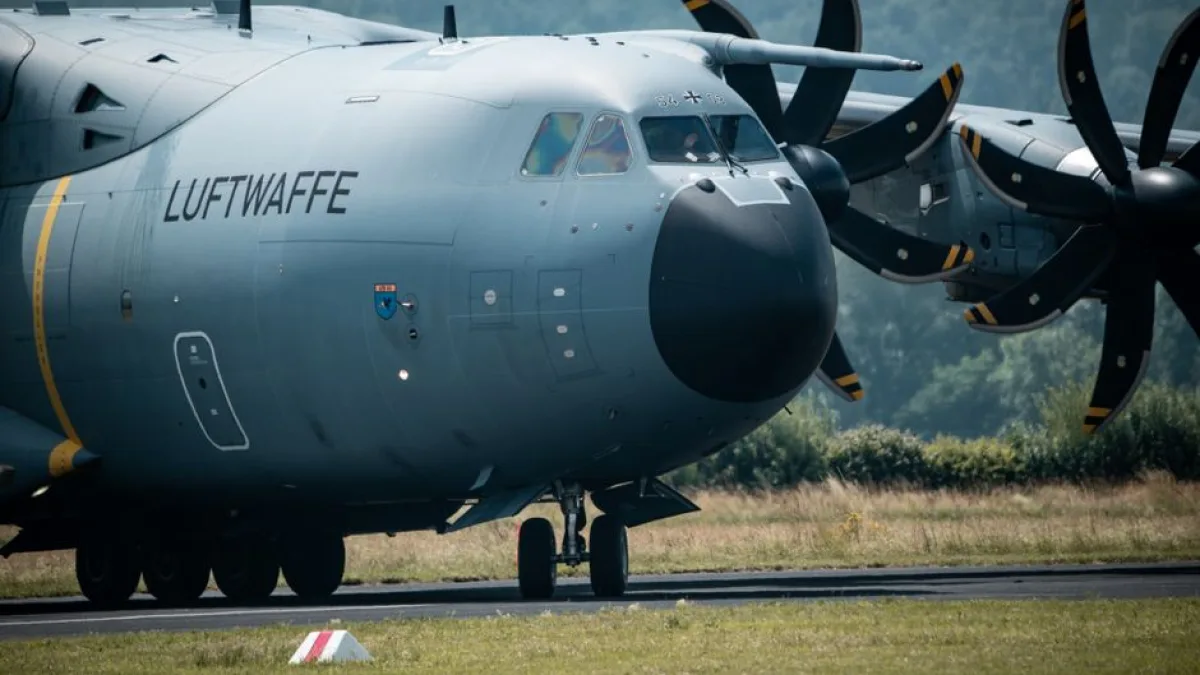
Efficient route selection is the backbone of successful air freight operations. By analyzing flight schedules, carrier availability, and transit times, forwarders can design pathways that minimize downtime and ensure that delicate cargo reaches its destination exactly when it is needed most.
- Carrier Capacity Optimization: Accessing real-time data allows forwarders to secure space on the most reliable flights, ensuring that cargo stays on schedule despite frequent fluctuations in global aviation market capacity.
- Real-time Transit Tracking: Implementing advanced tracking systems provides transparent updates to stakeholders, reducing communication friction and enabling proactive problem solving during unexpected transit delays or sudden schedule changes.
- Route Cost Analysis: Evaluating diverse shipping lanes requires a focus on total landing costs, factoring in fuel surcharges, handling fees, and local taxes to ensure maximum profitability for every shipment.
- Risk Mitigation Tactics: Identifying potential weather disruptions or geopolitical challenges early allows teams to pivot their logistics strategy quickly, protecting high-value assets from unnecessary exposure during the transit process.
Mastering the art of strategic planning requires a harmonious blend of historical data analysis and forward-looking market intelligence. When freight forwarders utilize integrated software to anticipate bottlenecks, they successfully transform operational hurdles into competitive advantages. Consistent performance in route management builds long-term trust with clients, ensuring your company remains the top choice for their mission-critical logistics needs in a fast-paced global economy.
Digital Documentation Management

Paperwork remains the most significant bottleneck in global logistics. Shifting toward digitized documentation allows for faster clearance times, reduced human error, and improved compliance with international aviation security standards, keeping your workflows moving at the speed of the aircraft itself.
- Automated Airway Bills: Simplifying the generation of electronic airway bills reduces the administrative burden on your staff while ensuring that all regulatory information remains accurate and easily accessible to stakeholders.
- Customs Compliance Automation: Integrating automated compliance checks within your platform minimizes the risk of heavy fines or cargo seizures by ensuring that every document meets strict international legal requirements.
- Centralized Document Storage: Keeping all shipment-related paperwork in a secure cloud repository eliminates the frustration of searching through physical files, facilitating instant collaboration across global teams and regional offices.
- Instant Digital Sharing: Sending digital proof of delivery and customs documentation to clients immediately upon receipt significantly boosts customer satisfaction and speeds up the overall invoicing and payment cycle.
Digital transformation is no longer optional for firms operating in the air freight sector. By eliminating redundant manual tasks, your team gains precious time to focus on growth and relationship management. A robust digital foundation ensures that sensitive information stays protected while facilitating seamless communication across borders. Embracing these technical advancements will stabilize your daily operations and prepare your agency for future industry expansion.
Warehouse Efficiency Enhancements

Fast processing times inside the warehouse are critical for meeting tight flight windows. Streamlining your cargo handling procedures ensures that goods move from the truck to the pallet and onto the aircraft with minimal delay and maximum physical security.
- Integrated Inventory Tracking: Utilizing barcode scanning and sensor technology provides precise inventory counts, preventing misplaced items and ensuring that all shipments are ready for their assigned flight manifests.
- Pallet Utilization Maximization: Expert handling and stacking techniques help maximize every cubic inch of pallet space, significantly reducing shipping costs for clients who require frequent and small-batch deliveries.
- Security Protocol Adherence: Maintaining rigorous safety standards within the facility protects both the cargo and your employees, minimizing the risk of theft or damage while navigating fast-paced airport security checks.
- Automated Sorting Systems: Implementing smart sorting technology within your hub accelerates the throughput of incoming goods, allowing your team to handle larger shipment volumes during peak seasonal periods effectively.
Efficient warehouse management is the engine that drives your air freight success from the ground up. When your loading procedures are optimized and your staff remains organized, you avoid the common pitfalls of shipment delays and inventory errors. Investing in modern handling solutions ensures your operations remain scalable as demand grows, keeping your service levels high regardless of the cargo volume handled.
Client Communication Excellence

Effective communication is the glue that holds complex air freight operations together. Providing clients with clear, proactive, and data-driven updates is the most effective way to foster loyalty and ensure that your brand stands out in the marketplace.
- Proactive Status Updates: Sending automated notifications whenever a status changes keeps clients informed without requiring them to ask, fostering a sense of control and confidence in your forwarding services.
- Transparent Rate Transparency: Clearly detailing costs and surcharges prevents disputes and builds long-term credibility, showing your clients that you value honesty and fairness in every single business transaction.
- 24/7 Portal Access: Offering clients a personalized portal to view their shipment history and current status empowers them, significantly reducing the volume of inbound phone calls to your desk.
- Collaborative Problem Resolution: Inviting clients to participate in digital discussions regarding shipment issues allows for faster decision-making, ensuring that both parties are aligned on the best path forward together.
Reliable communication forms the bedrock of a successful freight forwarding partnership. By leveraging digital tools to share information instantly, you remove the guesswork and build lasting trust with every stakeholder. Providing this level of transparency is what converts one-time users into lifelong clients who value your dedication to service. Consistent, clear, and professional engagement is the ultimate hallmark of a world-class logistics company.
Conclusion

Success in air freight requires a commitment to both operational precision and technological integration. By focusing on route planning, digital documentation, warehouse efficiency, and clear client communication, your freight forwarding business can navigate the complexities of global trade with ease. Use these strategies to stay ahead of the curve, delight your clients, and secure your place as a leading expert in the international logistics industry.