Mastering Air Freight Logistics for Modern Freight Forwarders
Sunday, October 25 2026

The global supply chain relies heavily on the speed and reliability of air freight to transport high-value, time-sensitive cargo across continents. For modern freight forwarders, managing these complex logistics requires precision, agility, and robust digital infrastructure to navigate changing market demands. From managing urgent pharmaceutical shipments to handling perishable goods, the stakes remain incredibly high. As capacity constraints and volatile pricing structures continue to disrupt traditional workflows, leveraging cloud-based platforms becomes essential for maintaining a competitive edge. This article explores critical strategies for optimizing your air freight operations while ensuring seamless communication and operational efficiency for your clients and global partners.
Strategic Capacity Management

Effective capacity management is the backbone of successful air freight operations, requiring deep visibility into airline schedules and space availability. Forwarders must actively monitor slot constraints and fluctuating belly cargo capacity to ensure that urgent shipments arrive at their destinations safely.
- Real-time capacity tracking: Integrate your logistics software with airline data feeds to monitor available space instantly and secure shipments before competitive demand drives up your overall operational costs.
- Carrier relationship building: Foster strong partnerships with key air carriers to secure reliable space allocations during peak seasons when market capacity is tight and prices often spike significantly.
- Route optimization tools: Utilize advanced digital planning modules to evaluate the most efficient flight paths that balance transit speed against budget requirements for your high priority client shipments.
- Dynamic demand forecasting: Leverage historical shipping data and market analytics to anticipate volume shifts, allowing your team to proactively reserve space before traditional peak demand cycles commence.
Mastering the art of capacity management allows your firm to provide consistent service levels even during industry volatility. By combining reliable data with strong carrier relationships, you ensure that your customers receive priority handling for their essential air cargo needs. This strategic approach minimizes delays and enhances your reputation as a dependable logistics partner, ultimately driving long-term loyalty and increased shipment volume for your business.
Digital Documentation Automation

Transitioning from manual paperwork to digital document management significantly accelerates the speed of customs clearance. By digitizing air waybills and commercial invoices, forwarders remove bottlenecks, ensuring that information flows accurately and instantly between all involved parties in the complex air supply chain.
- Automated airway bills: Replace manual data entry tasks with automated workflows that generate accurate air waybills instantly, reducing human error while speeding up the overall booking process for shipments.
- Customs compliance integration: Connect your digital platform directly with regulatory systems to ensure all documentation meets international standards before cargo arrives at the busy airport handling terminal.
- Digital file archiving: Maintain organized cloud-based storage for every shipping document, allowing your team to retrieve vital records in seconds during audits or specific cargo tracking requests.
- Seamless data exchange: Implement electronic data interchange protocols to communicate fluidly with ground handlers and customs brokers, ensuring zero latency during the critical document verification process at airports.
Embracing digital documentation creates a foundation for scalable operations that grow with your business. When you remove the friction of manual data management, your staff can focus on providing exceptional client service rather than checking paperwork. This digital shift not only improves the overall accuracy of your logistics reporting but also creates a transparent trail that keeps all stakeholders informed and aligned daily.
Optimizing Cold Chain Integrity
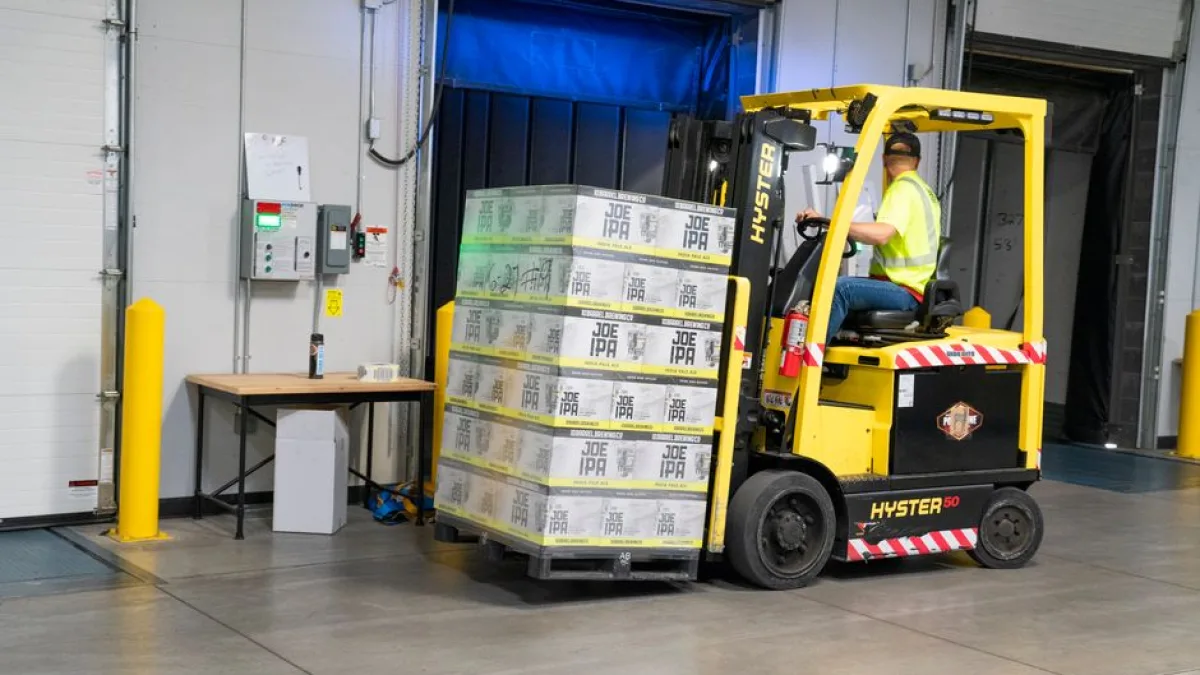
Handling temperature-sensitive goods demands rigorous attention to detail and specialized logistics protocols. Air freight remains the preferred method for transporting life-saving vaccines and perishable food, where maintaining an unbroken cold chain is non-negotiable for preserving product quality and safety standards.
- Real-time temperature monitoring: Deploy IoT tracking sensors that provide live updates on ambient cargo temperatures, alerting your operations team immediately if any variance occurs during the flight.
- Specialized handling procedures: Follow strict regulatory guidelines for perishable goods, ensuring that all ground handling staff adhere to specific cooling protocols throughout the transit and airport storage.
- Priority transit scheduling: Select flight routes with the shortest ground handling times to minimize exposure to outside temperatures during loading, offloading, and the final delivery of shipments.
- Contingency planning protocols: Establish clear emergency procedures for unexpected delays, ensuring that cold storage options are always available at destination airports to protect your sensitive high-value cargo.
Protecting cold chain integrity is a high-stakes responsibility that defines your professional reliability in the eyes of sensitive cargo shippers. By investing in technology that offers granular visibility, you demonstrate a commitment to quality that justifies higher service premiums. Keeping these shipments safe requires constant vigilance, but the result is a secure and trusted operation that consistently meets the needs of critical industry sectors.
Enhancing Client Transparency

Providing clients with a clear view of their cargo location is essential for maintaining trust in a fast-paced market. Modern freight forwarders use live tracking portals to deliver instant status updates, allowing clients to make informed decisions based on accurate data throughout the entire journey.
- Interactive tracking dashboards: Offer your clients custom web portals where they can view live updates on their shipments, reducing the need for constant phone calls and status emails.
- Proactive delay notifications: Configure automated alert systems to notify clients instantly of any flight changes, demonstrating professional accountability even when disruptions occur outside of your direct operational control.
- Transparent cost reporting: Give your customers full visibility into freight rates and applicable surcharges, which fosters trust and simplifies the billing process for all parties involved daily.
- Unified communication channels: centralize all client inquiries within your logistics platform to ensure that every team member can provide consistent and helpful answers to any tracking questions.
Transparency acts as a powerful differentiator in the crowded air freight market, elevating your brand above competitors who rely on older manual systems. When clients can see exactly where their cargo sits in real-time, their anxiety disappears and confidence grows. By utilizing technology to bridge the communication gap, you transform the shipping experience into a smooth, professional partnership that encourages repeat business every time.
Conclusion

Success in air freight requires a combination of robust digital tools, strategic carrier planning, and a deep commitment to service excellence. By automating documentation and ensuring full transparency, you can manage complex logistics with greater ease. As the industry evolves, the forwarders who leverage modern cloud-based software will remain at the forefront. Start optimizing your air freight operations today to secure your future growth.