Mastering Client Experience with a Modern Freight Forwarding Portal
Saturday, September 26 2026
In the fast-paced world of global logistics, freight forwarders are constantly seeking ways to differentiate their services and provide superior value. A customer portal serves as the digital backbone of your operations, enabling clients to track shipments, access documentation, and communicate in real-time. By moving away from manual email chains and disconnected spreadsheets, forwarders can enhance transparency and boost operational efficiency. Implementing a robust portal is no longer just a technical upgrade but a strategic necessity for remaining competitive in an increasingly automated industry. This article explores how modern portals redefine the client journey and drive long-term business growth.
Centralizing Communication Channels

A centralized dashboard allows clients to interact with all shipping data in one unified location. By removing the need for scattered email threads, your team can focus on complex problem-solving while clients enjoy instant access to shipment updates.
- Automated status updates: Clients receive instant notifications on shipment milestones, eliminating the need for manual check-ins and reducing the administrative workload for your busy logistics team members every single day.
- Unified message center: All stakeholder communication remains tied directly to specific shipment records, ensuring that no vital piece of information is ever lost within an overloaded employee email inbox again.
- Real-time data synchronization: Digital platforms ensure that every participant views the same current information, which effectively minimizes confusion and prevents costly errors during the sensitive international shipping process phases.
- Secure document sharing: Manage essential bills of lading, invoices, and customs declarations through a protected portal that guarantees sensitive information remains private and accessible only to authorized personnel only.
By streamlining communication, you create a professional environment that encourages trust and efficiency. Customers appreciate the ability to self-serve, which frees up your staff to handle higher-level strategic tasks. This digital transition effectively lowers communication overhead while simultaneously raising client satisfaction levels. As your operations scale, having a central hub ensures that your team remains organized, proactive, and ready to meet any logistics challenge.
Providing Real-time Shipment Visibility
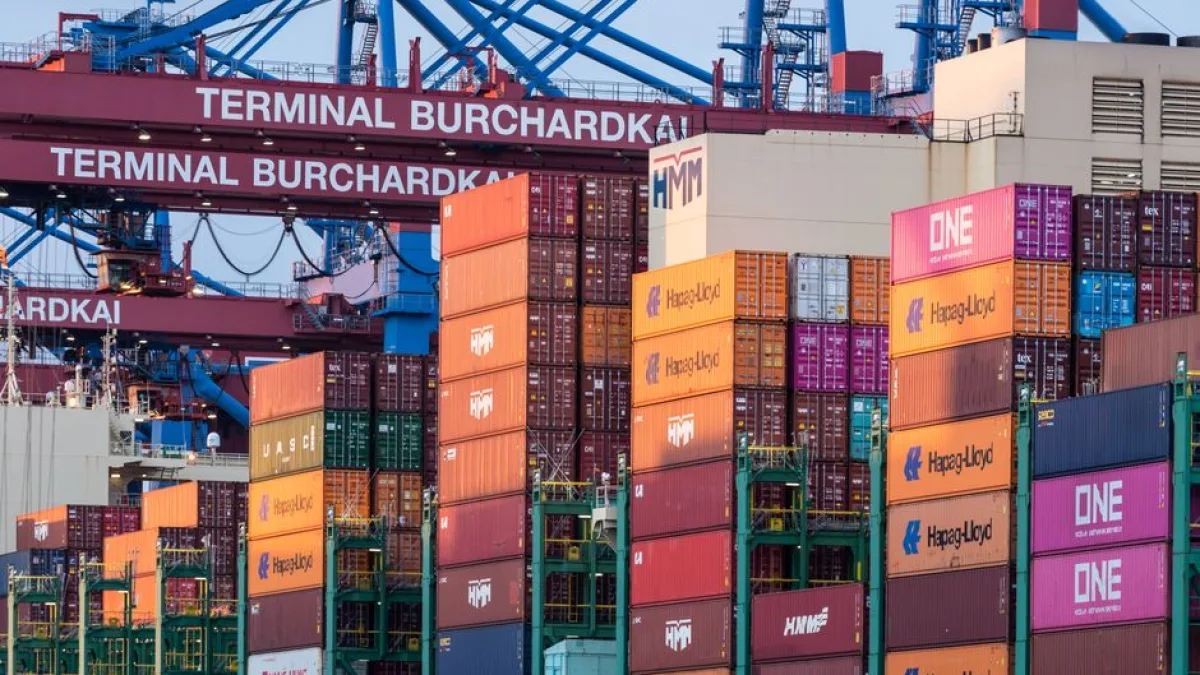
Transparency is the most important factor in modern logistics. Providing your customers with live tracking capabilities allows them to manage their supply chains with confidence while keeping your team informed of potential delays or route changes instantly.
- Live tracking integration: Connect directly with global carrier feeds to provide your clients with accurate GPS coordinates and status updates for every single shipment currently in your network.
- Interactive shipment maps: Visual aids help clients understand the physical location of their goods, which builds confidence and provides a clear timeline for expected arrival at destination ports.
- Predictive delay alerts: Advanced algorithms notify both you and the client of potential weather or customs issues, allowing for proactive adjustments before a minor problem becomes critical.
- Comprehensive audit trails: Maintain a complete history of every movement, which helps in identifying bottlenecks or areas where your specific logistics processes could be further optimized efficiently.
When clients can see exactly where their freight is located, the frequency of status-request calls decreases dramatically. This transparency fosters a sense of security that is essential for maintaining long-term partnerships in the freight forwarding industry. You effectively become a data-driven partner that delivers measurable value beyond simple transportation. This visibility is the primary driver of customer loyalty in a competitive market.
Streamlining Documentation and Compliance

Navigating the complexity of international customs requires precise documentation management. An integrated portal digitizes your paperwork, ensuring that every file is compliant, signed, and stored securely according to international shipping regulations and local laws for your clients.
- Paperless document workflow: Upload, sign, and store digital versions of critical shipping documents, which helps to accelerate customs clearance times and ensures total regulatory compliance for everyone.
- Template library access: Provide your clients with easy access to standardized forms, which ensures that all submissions are accurate and formatted correctly to avoid costly border delays.
- Automatic version control: The system tracks every change made to a document, providing a clear history of edits that helps maintain accuracy during complex customs clearance procedures.
- Digital signature capabilities: Allow authorized users to sign important documents directly within the portal, saving significant time compared to printing, scanning, and mailing physical paper files manually.
Digital documentation eliminates the risk of lost files or data entry errors during transit. When documents are managed through a single portal, the entire compliance process becomes faster and significantly more reliable. This efficiency gains you respect as a forwarder who prioritizes accuracy and speed. Ultimately, a streamlined documentation process is the key to maintaining smooth operations and happy clients globally.
Driving Scalability and Business Growth

A scalable portal supports your growth by handling high volumes of data and client interactions without requiring extra administrative staff. Investing in technology ensures your business is ready for the future demands of the global supply chain market.
- Scalable user management: Easily add new clients or team members to your platform, ensuring that your digital infrastructure expands seamlessly alongside your growing international freight business operations.
- Actionable business intelligence: Access detailed reports on shipment performance and client activity, which provides the insights you need to make informed decisions for your company expansion strategy.
- Brand customization options: Personalize the portal interface with your company logo and colors, reinforcing your brand identity and providing a professional experience for every unique client login.
- API integration potential: Connect your portal with existing accounting or ERP software to ensure that financial data remains consistent and updated across all your essential business systems.
Technology should empower your growth rather than act as a barrier to progress. A robust customer portal provides the foundation you need to handle more shipments and build stronger client relationships. By automating routine tasks, your team can focus on acquiring new business and delivering exceptional service to existing accounts. This strategic investment in your platform will provide dividends in long-term efficiency and profitability.
Conclusion

Adopting a customer portal is the most effective way to modernize your freight forwarding business and improve client relationships. By centralizing communication, ensuring total visibility, managing documentation, and enabling scalability, you position your firm as a leader in the industry. Start your digital transformation today to reduce administrative burdens and deliver a premium experience that keeps your clients coming back for years.