Mastering the Customer Portal: Elevating Your Freight Forwarding Business
Friday, October 2 2026
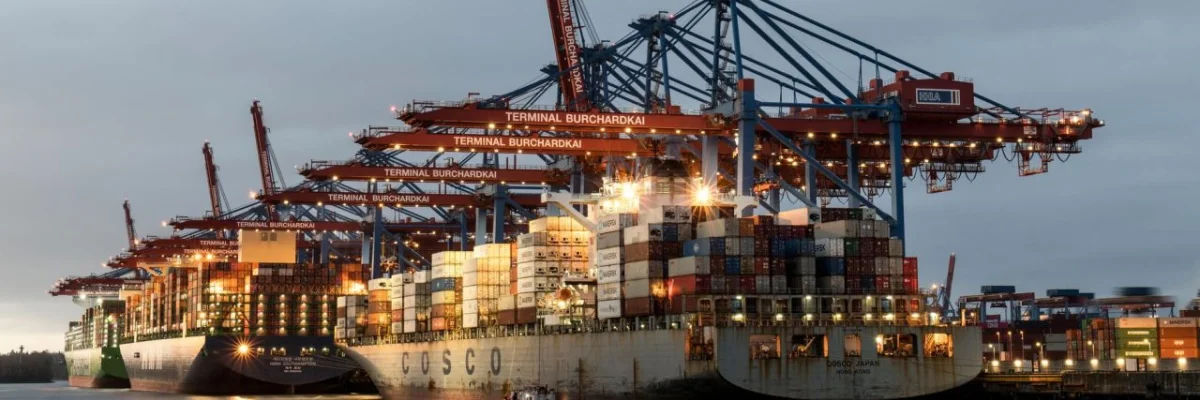
In the fast-paced world of global logistics, freight forwarders are constantly seeking ways to improve communication and operational efficiency. The digital shift has made customer portals an essential tool for modern logistics companies wanting to provide superior service. By offering clients a centralized platform to manage shipments, documentation, and real-time tracking, forwarders can significantly reduce manual administrative tasks. Implementing a robust portal transforms the relationship between the service provider and the customer, moving away from fragmented emails and phone calls toward a streamlined, transparent experience that drives loyalty and operational success for your entire logistics organization.
Centralized Document Management

Managing piles of shipping documents often leads to costly errors and delays in the supply chain. A customer portal centralizes all critical paperwork, ensuring that every stakeholder has immediate access to the latest versions of bills of lading and invoices.
- Automated Filing Systems: Digital repositories automatically organize documents by shipment reference numbers, eliminating the need for manual sorting or searching through cluttered email threads for essential shipping records.
- Instant Secure Access: Clients can retrieve signed documents securely at any time of day, which removes the bottleneck of waiting for administrative staff to respond to simple requests.
- Version Control Accuracy: Maintaining a single source of truth prevents teams from working on outdated files, which reduces the risk of customs clearance issues or incorrect billing.
- Compliance Tracking Tools: Built-in features highlight missing documentation or expired certifications, providing proactive notifications so your team can resolve compliance gaps before they become major shipment delays.
- Archival Storage Solutions: Easily store historical data for years without taking up physical office space, allowing for quick audits and historical performance reviews whenever your clients request them.
Adopting a centralized document system shifts your focus from tedious clerical work to high-value customer service. By minimizing the time spent on document retrieval and filing, your staff can dedicate more energy to resolving complex logistics issues. This digital approach not only enhances transparency but also builds lasting trust with clients who value efficiency and speed in their global supply chain management processes today.
Real-Time Shipment Visibility

Global shipping is inherently unpredictable, making real-time visibility the cornerstone of modern logistics excellence. When customers can monitor their freight from origin to final delivery, the anxiety surrounding delayed shipments or route changes is effectively managed through data.
- Live Tracking Maps: Interactive maps provide immediate visual confirmation of cargo locations, allowing clients to monitor their goods across international borders without contacting your support team directly.
- Automated Milestone Alerts: Configurable notifications ensure that customers receive updates as their cargo passes through specific milestones, keeping them informed without requiring manual status reports every day.
- Exception Management Alerts: Instant notifications regarding potential delays or route deviations empower your customers to plan accordingly, reducing the fallout from unexpected disruptions in their supply chain.
- Estimated Arrival Accuracy: Precise arrival time calculations based on live transit data help your clients manage their inventory levels more effectively, which is vital for just-in-time operations.
- Historical Transit Analysis: Portal dashboards track historical shipping patterns, providing clients with insights into which routes or carriers offer the best performance for their unique business requirements.
Providing granular visibility into the shipping process distinguishes your freight forwarding business from competitors who rely on traditional communication methods. When clients have the power to see their freight status whenever they want, their perception of your service quality improves dramatically. This transparency reduces repetitive status inquiries, allowing your operations team to focus on resolving actual disruptions rather than just answering questions.
Streamlined Communication Channels

Effective communication is the lifeblood of freight forwarding, yet traditional methods often lead to information silos. A dedicated portal creates a unified channel for all shipment-related conversations, ensuring that nothing gets lost in an overflowing email inbox or voicemail.
- In-Platform Messaging Tools: Integrated chat features allow clients to ask questions directly within the context of a specific shipment, ensuring that all correspondence remains organized and fully accessible.
- Context-Rich Discussions: Linking conversations directly to order numbers eliminates confusion, as your support team always understands exactly which shipment the client is discussing at that moment.
- Internal Team Collaboration: Portals allow internal teams to view client queries, enabling different departments to collaborate on solutions without needing to forward endless internal email chains between colleagues.
- Custom Notification Settings: Give your clients total control over their communication preferences, ensuring they only receive the alerts that truly matter to their specific daily business needs.
- Unified Audit Trail: Every interaction is logged within the portal, providing a complete history that is invaluable for resolving disputes or evaluating performance standards for future shipments.
By migrating your client communication to a secure portal, you establish a professional standard for interaction that encourages clarity and accountability. This unified approach eliminates the common pitfalls of lost messages and misinterpreted instructions. As a result, your team becomes more responsive, and your clients feel better supported throughout the entire lifecycle of their shipments, fostering deeper and more sustainable business relationships.
Optimized Financial Operations

Financial clarity is vital for healthy business relationships in the logistics sector. A customer portal bridges the gap between shipping operations and accounting, offering transparency that benefits both the freight forwarder and the shipper during the complex billing process.
- Digital Invoice Viewing: Clients can instantly download and review invoices, ensuring that they always have a clear view of their outstanding balances and historical transaction data online.
- Seamless Payment Integration: Secure online payment processing enables clients to settle invoices quickly, which helps your business maintain a healthy cash flow by reducing payment processing times.
- Itemized Cost Breakdown: Transparent reporting tools provide a detailed breakdown of all logistics costs, helping your customers understand their shipping spend and optimize their future budgets.
- Dispute Resolution Workflows: Dedicated portal sections for billing inquiries simplify the dispute process, allowing for fast resolution that keeps your accounts receivable cycle moving without unnecessary delays.
- Automated Financial Reporting: Generate custom reports that summarize shipping costs over specific periods, giving your clients the data they need to make informed logistics investment decisions daily.
Integrating financial operations into your customer portal simplifies the billing experience for everyone involved. Clients appreciate the ease of managing payments and expenses in one location, while your finance team benefits from faster settlements and fewer administrative inquiries. This level of financial sophistication positions your brand as a modern, reliable partner capable of handling the most demanding requirements of global trade.
Conclusion

Investing in a high-quality customer portal is no longer optional for freight forwarders who want to thrive in a digital economy. By centralizing documentation, providing real-time tracking, streamlining communication, and simplifying financial processes, you position your brand as a market leader. Leverage these tools to build stronger client loyalty, improve your internal operational efficiency, and drive sustainable growth for your global logistics business today.