Mastering Customs Compliance: A Freight Forwarder Guide
Saturday, October 3 2026
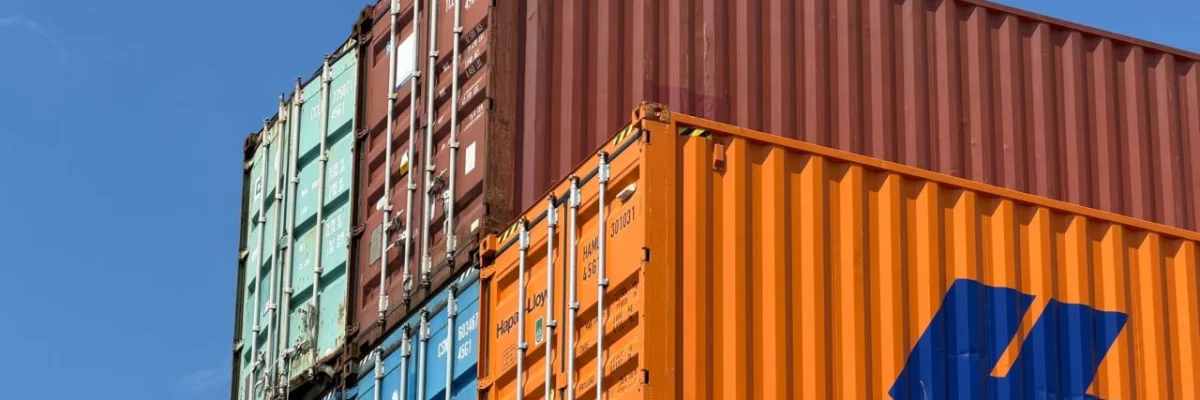
Navigating the complex landscape of global trade requires freight forwarders to maintain rigorous standards of customs compliance. As regulatory environments shift and international supply chains become increasingly intricate, the risk of delays, financial penalties, or shipment seizures grows for those who fail to adhere to evolving protocols. Managing documentation with precision is no longer just a procedural task but a strategic necessity that protects your reputation and your clients' bottom lines. By adopting digital solutions and staying informed about local requirements, forwarders can turn compliance from a logistical burden into a reliable competitive advantage for their logistics business.
Automating Trade Documentation

Transitioning from manual paperwork to automated cloud-based systems allows forwarders to track regulatory requirements in real time. This shift minimizes human error, improves data accuracy across borders, and accelerates the customs clearance process by ensuring that every document meets local specifications before the cargo arrives at the port.
- Real-time data validation: Advanced software platforms automatically cross-reference shipment details against current regional customs regulations to identify potential discrepancies before they escalate into costly legal issues or border clearance delays.
- Digital audit trails: Maintaining a comprehensive digital history of every trade document simplifies the process for customs inspections while providing internal teams with transparent records for accountability and quality control.
- Centralised document storage: Keeping all essential export and import forms in one secure cloud location ensures that your staff can access critical information instantly from any office globally.
- Error reduction automation: Automated systems eliminate common typographical mistakes often found in manual entries, ensuring that HS codes and tax classifications remain accurate for every single international trade declaration.
Embracing automation is the most effective way to protect your business against the risks of non-compliance. When your team relies on intelligent software rather than spreadsheets, they gain the freedom to focus on higher value tasks like customer growth. Investing in the right technology stack today will yield significant long-term dividends in operational efficiency, reliability, and total peace of mind for your entire organization.
Understanding HS Code Classification
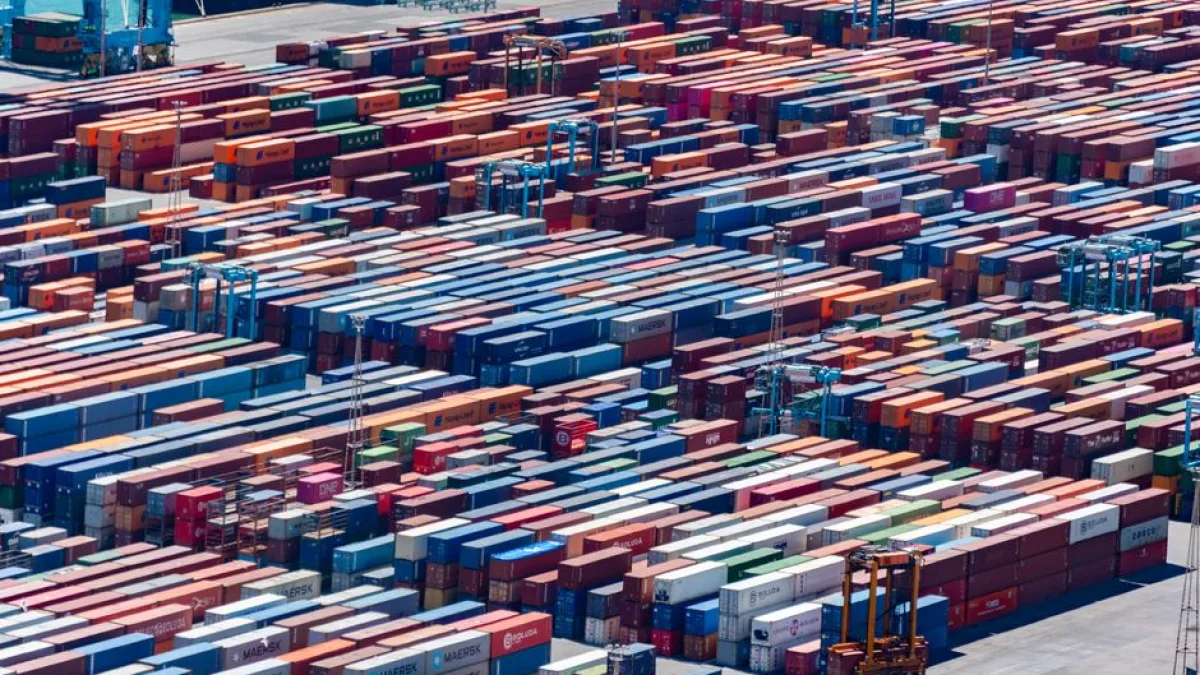
Proper classification under the Harmonised System is the cornerstone of effective international logistics. Assigning the incorrect code can lead to significant overpayment of duties, unexpected tax liabilities, or prolonged customs examinations that disrupt your clients' supply chains and degrade trust in your service.
- Standardised classification methods: Using standardized HS codes ensures that all international trade data remains consistent, which helps customs authorities process your shipments quickly without raising red flags for auditors.
- Risk mitigation strategies: Accurate product classification is your primary defense against potential customs audits, helping you prove that your shipments are compliant with all relevant local taxation and safety regulations.
- Dynamic code updates: Relying on software that provides automatic updates to international tariff schedules keeps your team informed about changing duty rates, preventing unexpected costs for your shipping partners.
- Expert classification support: Modern freight forwarding platforms often include built-in tools that assist staff in selecting the correct codes, effectively turning every team member into a proficient customs classification expert.
Mastering the complexities of HS code classification requires a blend of human expertise and advanced digital tooling. By prioritizing accuracy in this foundational area, forwarders demonstrate professionalism and reliability to their shipping clients. This commitment to detail reduces friction at customs checkpoints and ensures that goods move across international borders without unnecessary interruptions, ultimately driving better results for your shipping business and long-term loyalty.
Navigating Incoterms Responsibilities
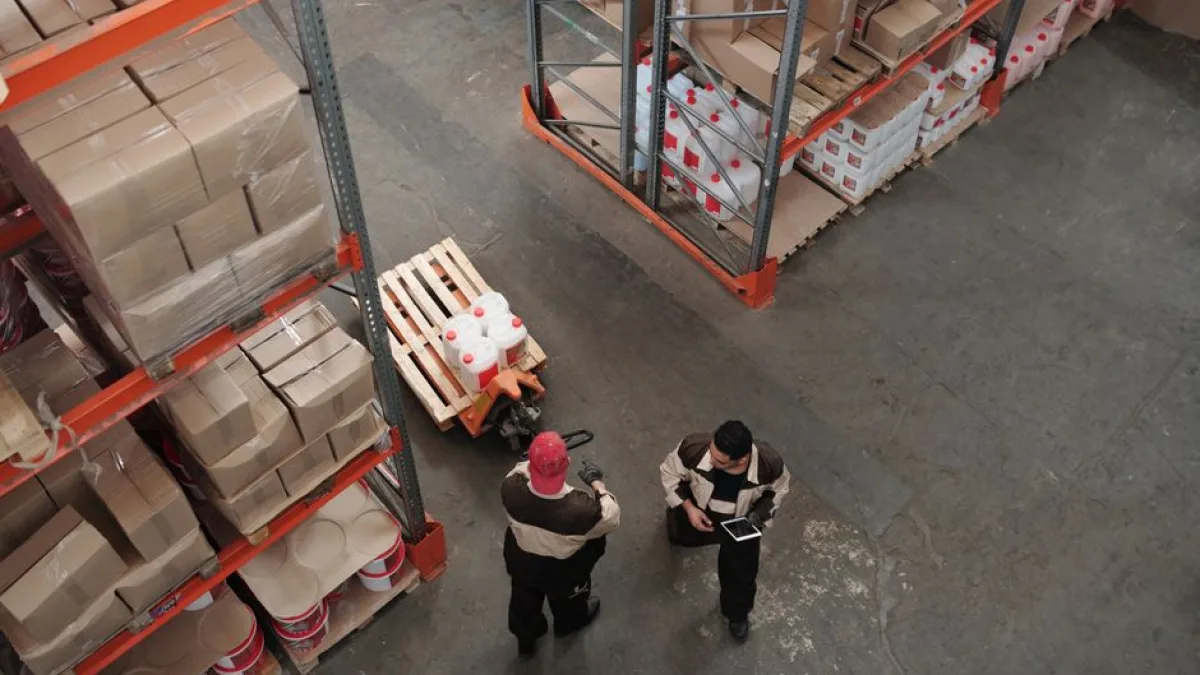
Clear communication regarding Incoterms is essential to define where liability and cost transition between the buyer and the seller. Misunderstanding these internationally recognized rules often leads to disputes, unexpected fees, and severe compliance gaps that can jeopardize the legal standing of the entire freight forwarding shipment process.
- Defining liability boundaries: Clearly outlining the specific responsibilities for insurance and freight costs prevents confusion between parties, ensuring that every shipment remains compliant with international contract law and local customs.
- Seamless handoff procedures: Using established Incoterms ensures that the transfer of risk is documented correctly, which is vital when moving goods across multiple jurisdictions with differing legal standards.
- Optimising logistics costs: Selecting the appropriate Incoterm for a specific trade route allows forwarders to provide better value to their clients while clearly identifying who holds the responsibility for customs.
- Contractual clarity benefits: Explicitly stating terms in every agreement protects the forwarder from liability and ensures that all stakeholders understand their specific roles in the global supply chain.
Effective management of Incoterms serves as the backbone of a solid customs compliance strategy. By fostering a deep understanding of these rules, you minimize the risk of disputes and legal challenges during the transport process. Clear terms provide a secure framework for every shipment, allowing your team to navigate international logistics with total confidence while delivering consistent value and security to your clients.
Leveraging Advanced Compliance Software
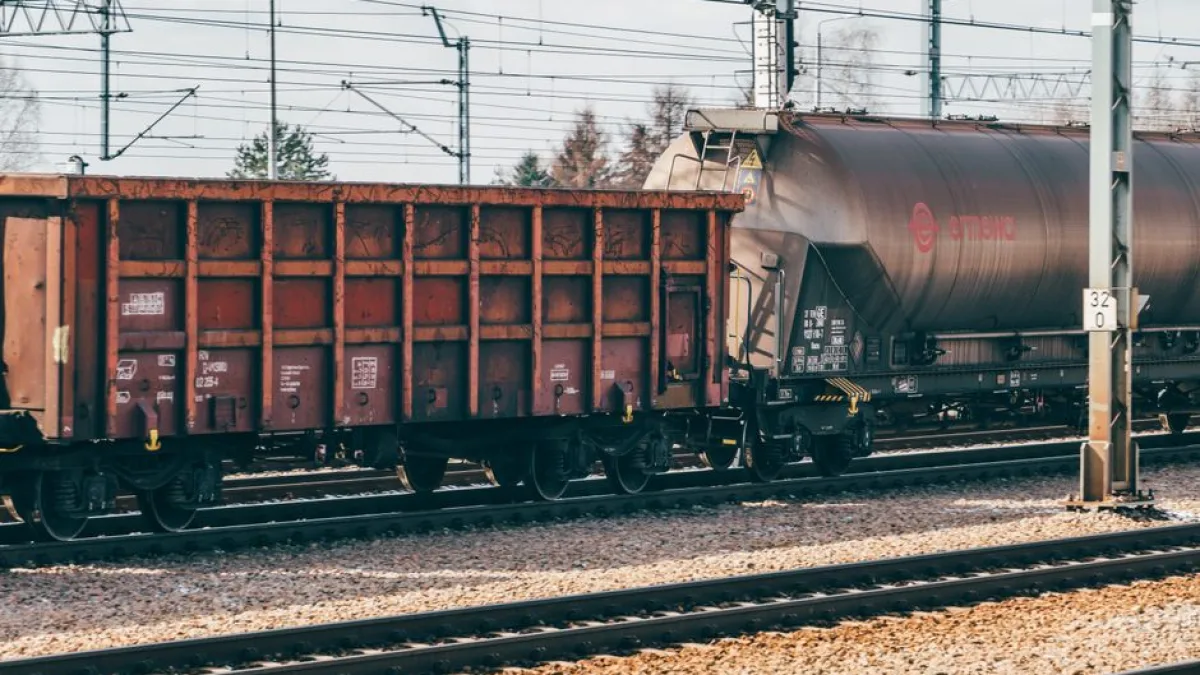
Utilizing modern software platforms specifically designed for freight forwarders provides a holistic view of the compliance landscape. These tools integrate directly with customs authorities, providing live updates and streamlining the exchange of information, which is critical for maintaining high standards in a fast-paced global logistics industry.
- Seamless customs integration: Modern cloud platforms connect directly with government portals to facilitate electronic document submissions, which significantly reduces the need for manual intervention and lowers the risk of human error.
- Regulatory alert systems: Automated notifications keep your team informed about sudden policy changes in specific regions, allowing for immediate tactical adjustments to prevent costly shipment detentions or unexpected rejections.
- Enhanced reporting capabilities: Analytical tools allow managers to review compliance performance across all trade routes, identifying recurring issues that might require better training or updated internal standard operating procedures.
- Scalable compliance infrastructure: As your business grows, cloud-based software grows with you, providing the capacity to handle increased shipment volumes without compromising your commitment to rigorous customs compliance protocols.
Forwarding firms that invest in advanced compliance software are setting themselves apart as industry leaders. This commitment to modern technology ensures that your operations remain agile, compliant, and ready to meet the challenges of international trade. By centralizing your data and automating routine tasks, you free up your team to focus on providing excellent service to your clients while maintaining full legal compliance.
Conclusion
Maintaining excellence in customs compliance is the hallmark of a world-class freight forwarder. By automating processes, focusing on accurate classification, mastering Incoterms, and utilizing modern software, your business will thrive in a competitive market. Consistency and digital precision are your greatest assets. Stay proactive, keep your systems updated, and continue to prioritize transparency to ensure your logistics operations remain efficient, compliant, and profitable.