Mastering Customs Compliance: A Freight Forwarder Guide
Friday, August 21 2026
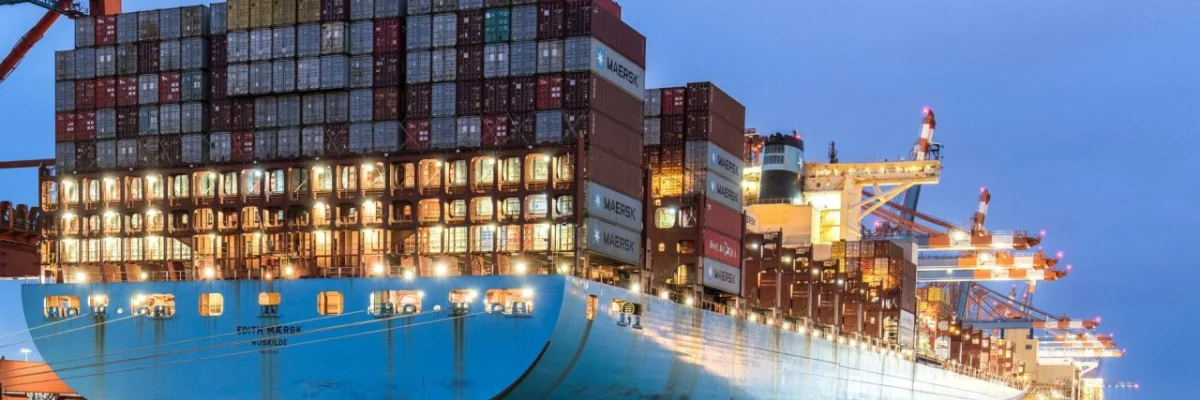
Navigating the complex landscape of international customs and compliance is a fundamental requirement for every modern freight forwarder. As global trade regulations become increasingly stringent, professionals must balance operational efficiency with meticulous regulatory adherence to avoid costly delays and severe legal penalties. Leveraging advanced technology solutions like MakeCargo helps companies automate documentation, ensure data accuracy, and maintain transparent audit trails. By prioritizing compliance, logistics providers protect their reputation while delivering reliable services to their global clients. This comprehensive guide outlines the essential pillars of effective customs management that will help your freight forwarding business thrive in today's demanding regulatory environment.
Digital Documentation Automation

Modern customs processes rely heavily on the accuracy of digital documentation. By transitioning from manual entry to automated cloud-based workflows, forwarders significantly minimize human errors that lead to customs holds and non-compliance fines while improving overall speed and shipment throughput.
- Real-time data synchronization: Our cloud-based platform ensures that all stakeholders access identical shipment information, reducing discrepancies during the crucial declaration process required by border agencies in multiple regions.
- Automated error detection: Advanced algorithms scan every digital document for missing fields or inconsistent values before submission, effectively preventing costly rejections by customs authorities at major ports.
- Standardized data templates: Utilize pre-configured templates that align with international trade standards, ensuring your documentation always meets the specific legal requirements of each unique import destination.
- Centralized document storage: Maintain a secure and organized digital repository for all customs records, facilitating easy access during mandatory compliance audits and simplifying internal record-keeping processes.
Adopting digital automation is no longer a luxury but a strategic necessity for forwarders aiming to scale their operations. By removing the reliance on manual spreadsheets and paper trails, your team gains the agility to handle complex clearances with confidence. This shift not only protects your bottom line from avoidable fines but also enhances client trust by ensuring consistently reliable and transparent shipment deliveries worldwide.
Optimized Classification Strategies

Correct Harmonized System code classification serves as the backbone of trade compliance. Precise product identification ensures that accurate duties and taxes are applied, preventing legal risks and ensuring that your clients do not pay more than required for imports.
- Smart HS classification: Our software integrates with global databases to suggest the most accurate codes based on item descriptions, minimizing risks of underpayment or overpayment of customs duties.
- Historical data analysis: Leveraging past shipment records helps your team identify common classification patterns, allowing for proactive adjustments that align with evolving customs regulations and international trade laws.
- Regulatory rule updates: Stay current with changing global trade agreements through automated notifications that alert your staff about specific HS code amendments and new duty requirements affecting shipments.
- Audit readiness reporting: Generate detailed compliance reports that justify your classification decisions, providing clear evidence to customs officials during inspections or post-entry review processes for your cargo.
Mastering classification strategies requires a blend of industry expertise and high-performance software tools. By maintaining a structured approach to HS code management, you significantly reduce the risk of shipment seizures or penalties related to incorrect tax declarations. Empowering your staff with precise classification software ensures that every customs declaration is handled with professional accuracy, maintaining your standing with international regulatory authorities.
Risk Management and Visibility
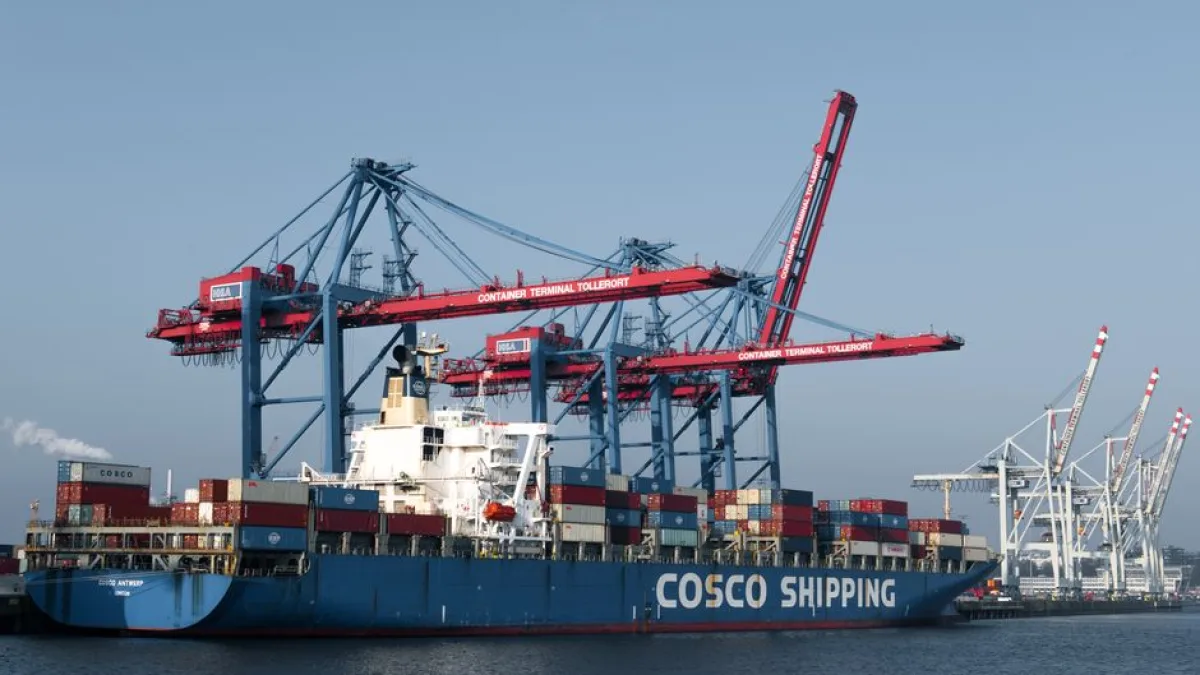
Managing compliance risks requires total visibility across the entire supply chain. Freight forwarders must monitor every milestone in real-time, identifying potential bottlenecks or regulatory conflicts before they escalate into major disruptions that impact your clients and global operations.
- Live milestone tracking: Monitor every shipment status from origin to destination, ensuring that all regulatory compliance tasks are completed at the correct intervals during the transit process.
- Exception management alerts: Receive immediate notifications whenever a shipment deviates from the standard compliance path, allowing your team to take corrective action before customs issues arise.
- Vendor compliance monitoring: Track the performance and regulatory history of your global partners, ensuring that only vetted and compliant agents handle sensitive goods during your transits.
- Customizable dashboard views: Visualize your entire logistical workflow through an intuitive interface that highlights pending compliance actions and potential delays before they impact your delivery schedules.
Proactive risk management turns potential compliance threats into manageable operational tasks. By using real-time data to anticipate regulatory hurdles, your firm can maintain seamless cargo movement while avoiding unexpected costs and delays. Transparency in every step of the logistics chain ensures that you remain in control of your freight, building a reputation for reliability and excellence within the highly competitive international shipping industry.
Training and Workforce Empowerment

Investing in your human capital is just as important as investing in software. Skilled logistics professionals who understand the nuances of compliance legislation are the most effective line of defense against operational errors and legal challenges in global trade.
- Customized staff training: Develop specific internal training modules that focus on the latest customs regulations, ensuring that your team remains well-informed about regional compliance standards today.
- Standard operating procedures: Implement rigid but adaptable internal manuals that guide employees through complex clearance scenarios, promoting consistency and reducing individual errors in documentation or declarations.
- Compliance certification support: Encourage your staff to earn professional certifications in international trade, which validates your expertise and boosts your competitive advantage in the global market.
- Knowledge base access: Provide your team with an internal digital library of trade resources, enabling them to find quick answers to complex customs questions while working.
Cultivating a culture of compliance across your workforce ensures long-term operational success. When your staff is well-trained and supported by intelligent software tools, they become more efficient and capable of handling high-pressure shipping situations with precision. This focus on internal growth minimizes turnover, maintains high service standards, and reinforces your commitment to being a trusted and compliant partner in international logistics.
Conclusion

Effective customs compliance is the bridge between operational success and business growth in the global freight industry. By integrating advanced software, maintaining accurate documentation, and fostering a knowledgeable team, your firm can navigate even the most complex trade environments with total confidence. Start leveraging these strategies today to streamline your workflows, reduce unnecessary financial risks, and deliver exceptional value to your international shipping clients.