Mastering Customs Compliance: A Freight Forwarder Guide
Tuesday, September 8 2026
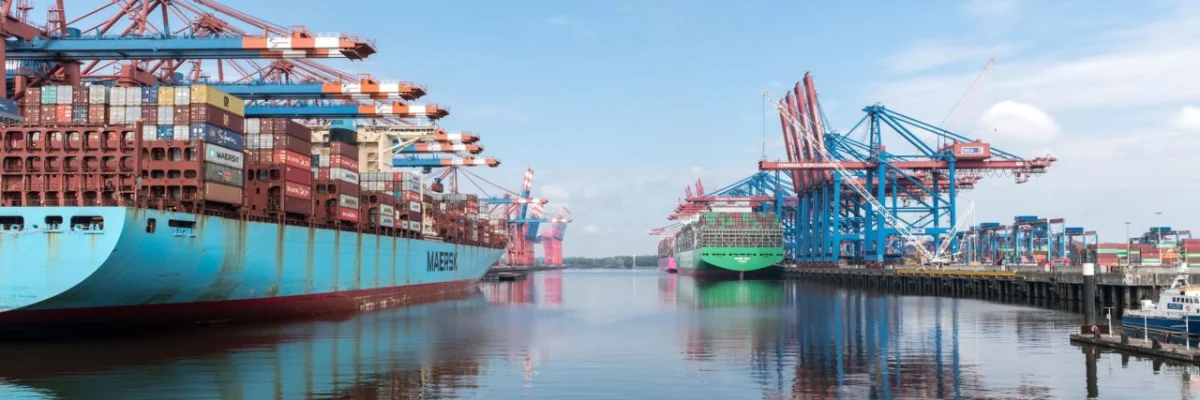
Navigating the complex landscape of international trade requires more than just logistical expertise. Customs compliance stands as the backbone of every successful shipment, ensuring that goods move across borders without costly delays or legal complications. For modern freight forwarders, the pressure to maintain accuracy while managing high volumes of documentation is greater than ever before. Leveraging digital tools to automate filings and verify data is no longer optional but a fundamental requirement for operational excellence. By focusing on precision and proactive risk management, forwarders can safeguard their clients and streamline the entire end to end supply chain process.
Understanding Regulatory Shifts

Constant updates to international trade regulations and local customs requirements make compliance a moving target for forwarders. Staying informed about these shifting mandates is essential for protecting client shipments from unexpected inspections or severe financial penalties during the transit process.
- Real-time data updates: Integrating live regulatory feeds into your software ensures that your team always works with the latest requirements for specific countries and commodity types across the globe.
- Risk assessment protocols: Establishing standardized procedures for vetting new clients and shipping routes helps identify potential compliance traps before they impact the actual movement of heavy freight.
- Automated duty calculations: Using cloud-based platforms to automatically calculate duties and taxes reduces the risk of human error during manual entry tasks for large international shipments.
- Compliance training programs: Investing in regular professional development keeps your logistics staff sharp on changing trade policies and helps prevent mistakes that lead to costly cargo delays.
Proactive management of these regulatory shifts is what separates industry leaders from those struggling with administrative bottlenecks. By investing in robust software that monitors global changes, your team can pivot quickly when laws change. This agility prevents shipments from being held at border points, ensuring that your clients maintain their production schedules. Consistent compliance management ultimately fosters trust and builds long term loyalty with customers.
Optimizing Documentation Accuracy

Flawless documentation is the heart of smooth customs clearance. Even minor errors in paperwork can result in rejected declarations, leading to significant delays and potential storage fees that erode profit margins for both forwarders and the end clients they serve.
- Digital document templates: Standardizing shipping documents through templates ensures that all critical information is captured accurately, reducing the need for repetitive data entry and manual verification steps.
- Electronic data integration: Connecting your platform directly with customs authorities facilitates instant data transfer, eliminating the need for paper based submissions and speeding up the clearance timeline.
- Automated audit trails: Creating a digital history for every shipment provides transparency for customs officials and internal teams, making it easier to verify data if discrepancies occur.
- Validation software tools: Implementing automated checks during the submission process flags missing fields or incorrect codes, allowing your team to rectify errors before they reach customs officials.
Improving the precision of your shipping documentation serves as a powerful shield against unwanted customs scrutiny. As your team adopts sophisticated validation tools, the time spent on manual reconciliations drops significantly. This efficiency allows staff to focus on solving complex logistical problems rather than fixing simple clerical errors. Reliable documentation is the foundation upon which your reputation for speed and compliance is built.
Leveraging Advanced Software Technology

Modern cloud-based freight software serves as a centralized hub for managing compliance tasks efficiently. By moving away from legacy systems or paper files, forwarders can unify their workflows and gain better visibility into the status of various shipments across ports.
- Unified data dashboards: Centralizing all shipping information into a single dashboard gives managers a clear overview of compliance status, preventing bottlenecks before they cause major project delays.
- Automated customs filings: Submitting declarations directly through integrated software tools minimizes the need for multiple platforms and reduces the risk of data mismatch during export and import.
- Cloud based security: Protecting sensitive client documentation within a secure cloud environment ensures that your operational data remains safe while being accessible to authorized team members.
- System interoperability features: Choosing platforms that communicate with carrier systems and government portals creates a seamless flow of information, which is critical for complex international trade requirements.
Adopting advanced freight software is a strategic necessity in today's digital economy. The ability to manage thousands of data points without manual intervention allows your agency to scale operations without increasing headcount. When your technical infrastructure is solid, you gain the confidence to handle larger contracts and more complex customs environments. Software is the primary driver of growth for modern forwarding businesses.
Building Strong Customs Partnerships

Maintaining positive relationships with customs brokers and local authorities is essential for solving problems rapidly when they arise. These professional connections often provide the clarity needed to navigate ambiguous trade laws or unique commodity classifications during difficult shipping seasons.
- Strategic broker collaboration: Partnering with reliable local brokers ensures you have expert support on the ground in foreign territories, simplifying the complexities of regional customs clearance requirements.
- Authority engagement strategies: Proactively participating in industry forums and working groups helps your company stay visible and informed about upcoming legislative changes in major trade corridors.
- Transparent communication channels: Establishing clear lines of communication with customs officials creates a cooperative environment where issues are resolved through dialogue rather than through fines or seizures.
- Collaborative feedback loops: Sharing insights about recurring clearance issues with your partners can lead to systemic improvements that benefit your entire operational chain for future shipments.
Strong relationships act as an insurance policy when complications occur at the border. While technology handles the bulk of data processing, human interaction remains critical for handling special cases or emergency exemptions. By investing in the human side of compliance, you ensure that your business has the support it needs to handle extreme circumstances, ultimately securing a reliable pathway for your global operations.
Conclusion
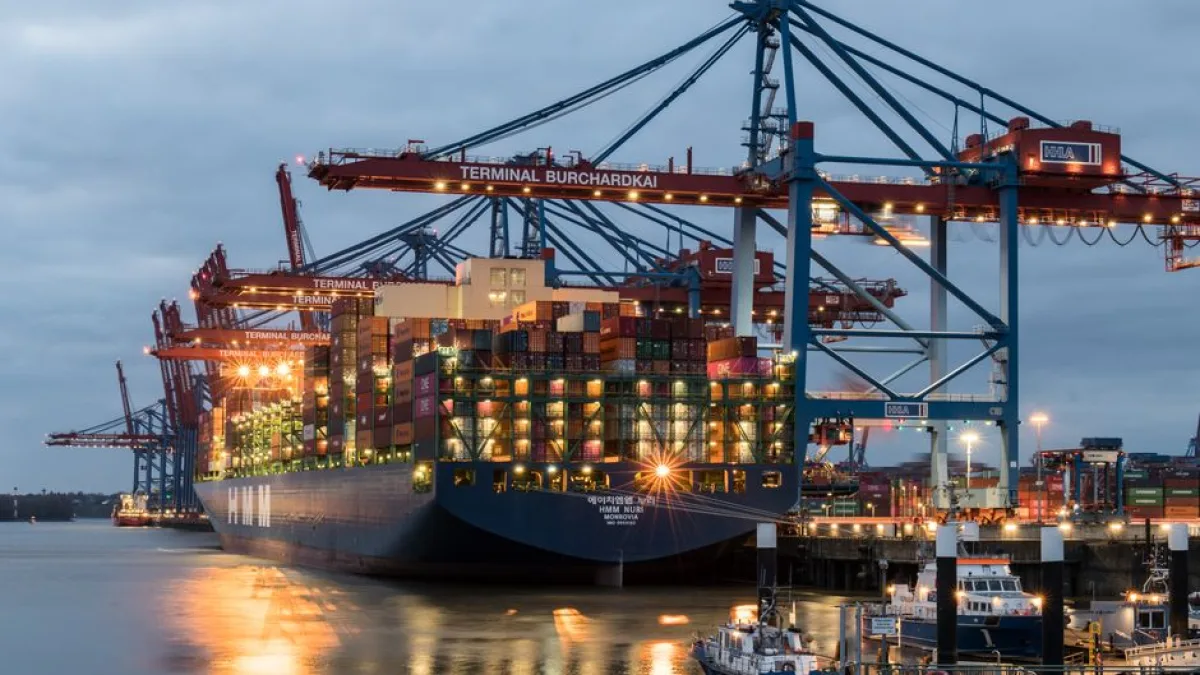
Mastering the complexities of customs and compliance is a continuous journey that requires both technological innovation and strategic human partnerships. Freight forwarders who embrace digital solutions while fostering strong professional relationships are best positioned to thrive. MakeCargo empowers your agency to simplify compliance tasks, reduce errors, and focus on delivering excellent service to your clients. Start optimizing your compliance workflows with us today.