Mastering Customs Compliance: A Freight Forwarder Guide
Thursday, September 17 2026
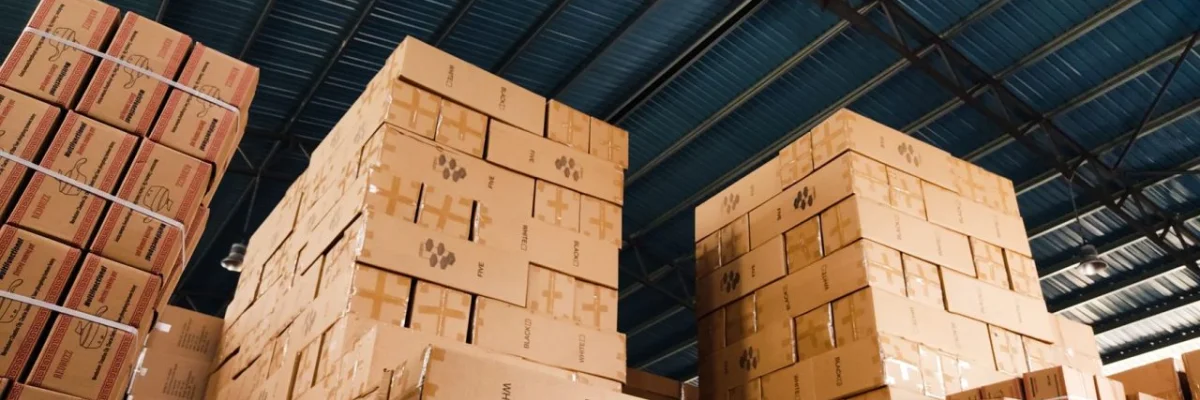
Navigating the complex landscape of international trade requires more than just logistical expertise. Customs compliance stands as the backbone of every successful shipment, ensuring that goods move across borders without costly delays or legal penalties. For freight forwarders, maintaining rigorous standards in documentation and regulatory adherence is essential to protecting clients and operational reputation. By leveraging modern technology, forwarders can transform compliance from a burdensome administrative hurdle into a strategic competitive advantage. This article explores essential strategies to help your team stay ahead of global regulations and keep your supply chain moving efficiently in an increasingly volatile trade environment.
Digital Documentation Accuracy

Digital transformation has redefined how documentation is handled within the logistics sector. Automating data entry reduces human error significantly, allowing teams to focus on verification rather than manual input while ensuring that every manifest meets precise international standards for reporting.
- Real-time data validation: Advanced software tools perform instant checks against customs databases to catch discrepancies in HS codes or shipment weights before they cause critical border delays or fines.
- Centralized document management: Keeping all invoices and packing lists in a secure cloud repository ensures that every stakeholder accesses the same verified files throughout the shipment lifecycle.
- Automated audit trails: Generating comprehensive logs for every document change helps companies maintain transparency and prove regulatory adherence during any surprise audit by government authorities or partners.
- Error reduction techniques: Implementing mandatory field requirements prevents incomplete paperwork from entering the system, drastically cutting down the number of rejected entries at the port of arrival.
Modernizing your documentation workflow is no longer optional for firms aiming to scale. By utilizing automated verification tools, you prevent the recurring manual mistakes that lead to costly detention fees. These digital processes foster better communication between agents and clients, creating a reliable foundation for long-term growth. Embracing these technological shifts ensures your business remains resilient against shifting trade policies and complex global security requirements.
Understanding HS Code Classification

Correct Harmonized System code classification is critical for determining duties, taxes, and potential trade restrictions. Misclassification often leads to significant financial penalties or cargo seizure, making it vital for staff to maintain deep knowledge of current classification standards and requirements.
- Global standard compliance: Proper HS coding ensures that shipments adhere to international trade agreements, preventing unexpected duty spikes or legal complications during the customs clearance process at border points.
- Risk management strategies: Regularly reviewing product databases helps forwarders identify high-risk commodities that may require additional licenses or certifications to enter specific regional or local markets efficiently.
- Professional training programs: Investing in regular certification sessions for your customs department ensures that every team member understands the latest updates to international tariff schedules and regulations.
- Detailed item descriptions: Encouraging clients to provide granular product specifications allows your team to assign the most accurate codes, minimizing the risk of audits by customs officials.
Precision in classification is the most effective way to avoid government scrutiny and border delays. By fostering a culture of continuous learning and utilizing updated software databases, your team can handle complex tariff codes with total confidence. This proactive approach to classification reduces your liability and enhances trust with your clients, establishing your firm as a leader in reliable global freight forwarding services.
Effective Customs Broker Collaboration
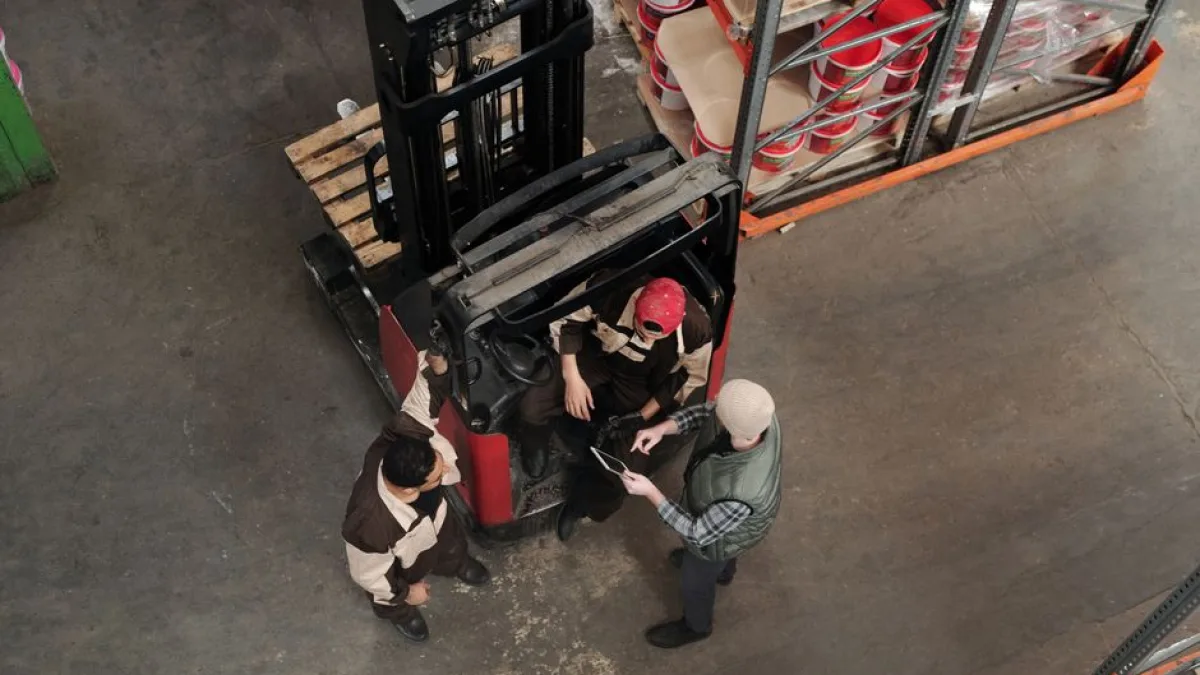
Strong partnerships with licensed customs brokers are essential for managing local nuances in international trade. These experts provide the necessary on-the-ground knowledge to navigate specific regional regulations, ensuring that all legal requirements are satisfied before the cargo reaches the port terminal.
- Seamless information flow: Integrating your software with broker systems allows for the rapid exchange of critical shipment data, speeding up the overall clearance and delivery process significantly.
- Regional expert knowledge: Leveraging the local expertise of brokers ensures that unique port-specific requirements are met, preventing common logistical bottlenecks that frequently plague standard international shipping operations worldwide.
- Shared compliance goals: Establishing clear communication protocols with your brokerage partners aligns your objectives, making it easier to resolve unexpected issues quickly and maintain project timelines.
- Automated status updates: Real-time notifications between systems help you keep clients informed about the progress of their shipments, building transparency and long-term loyalty for your business.
Building a robust network of reliable customs brokers creates a powerful support system for your logistics operations. When data flows freely between your cloud platform and your partners, you gain unprecedented visibility into the status of every single shipment. This collaborative framework allows you to overcome regulatory hurdles faster, ultimately providing your clients with a smoother and more predictable shipping experience across all regions.
Continuous Regulatory Monitoring

Trade laws are constantly evolving due to shifting political climates and new security mandates across the globe. Staying informed about these changes allows your team to anticipate shifts in the regulatory landscape rather than simply reacting to sudden legal disruptions.
- Regulatory alert systems: Subscribing to automated notification services helps your firm stay updated on trade policy changes, tariff adjustments, or new security protocols issued by government agencies.
- Internal compliance audits: Conducting routine reviews of your operational processes ensures that your company practices align with current local and international trade laws, reducing internal risks.
- Policy adaptation planning: Developing flexible standard operating procedures allows your team to pivot quickly when new customs regulations are introduced, maintaining continuity in your client service levels.
- Client education outreach: Providing your customers with timely updates on regulatory changes positions your company as a trusted advisor, helping them prepare for potential impacts on their supply chains.
Proactive monitoring is the ultimate safeguard for your business in a global market defined by instability. By staying ahead of policy adjustments and sharing this knowledge with your clients, you transform your company into an indispensable partner rather than just a service provider. Maintaining this level of vigilance protects your operations and ensures long-term stability in a rapidly changing world of international trade.
Conclusion

Navigating customs compliance requires a blend of advanced technology, expert knowledge, and strong partnerships. By focusing on accurate documentation, precise classification, and constant regulatory awareness, your firm can effectively manage risk while boosting efficiency. Use these insights to optimize your internal workflows and provide superior service to your clients. A dedicated approach to compliance will always remain the strongest foundation for your freight forwarding success.