Mastering Customs Compliance: A Freight Forwarder Guide
Sunday, September 20 2026
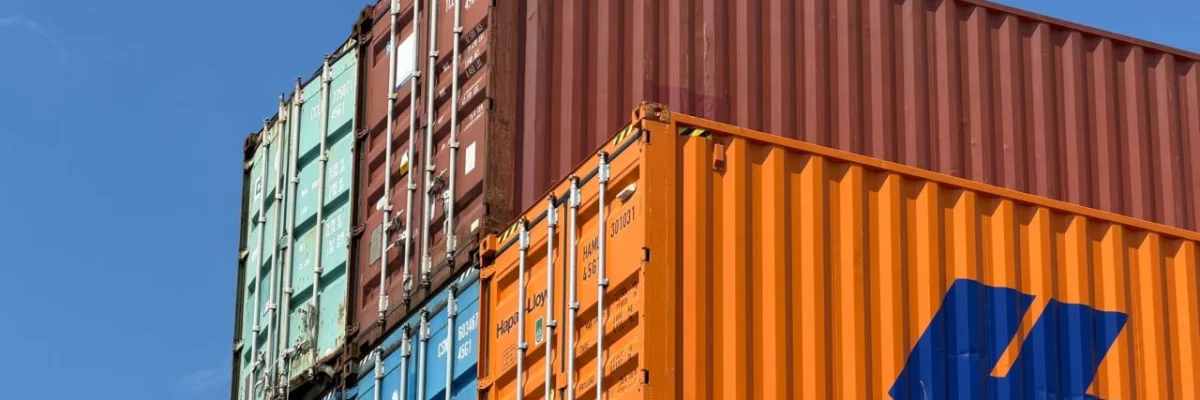
Navigating the complex landscape of global trade requires freight forwarders to maintain rigorous standards of customs compliance to avoid costly delays and penalties. As international regulations shift frequently, staying ahead of legal requirements is essential for maintaining smooth supply chain operations and protecting your reputation. Modern cloud-based platforms now empower forwarders to centralize documentation, automate compliance checks, and ensure that every shipment meets local customs authority standards. By prioritizing accuracy and transparency in your trade data, you transform customs compliance from a operational burden into a significant competitive advantage for your logistics business.
Understanding Trade Regulations

Staying updated with international trade laws is vital for any modern freight forwarding company managing cross-border shipments. Regulatory bodies frequently change requirements, making constant vigilance necessary to prevent cargo detention at the border and protect your company against severe financial penalties.
- Automated Rule Updates: Integrated software platforms automatically sync with global customs databases to provide real-time updates regarding duty rates, restricted goods, and mandatory paperwork for international shipping lanes.
- Standardized Data Entry: Implementing strict data verification processes ensures that all commodity codes and valuations remain accurate, which significantly reduces the risk of human error during filing.
- Audit Trail Maintenance: Maintaining comprehensive digital records of every communication and document exchange helps your team respond quickly to any inquiries from customs authorities during inspections.
- Compliance Training Modules: Regular staff workshops keep your logistics team informed about current legislative changes, ensuring that everyone follows the latest protocols for every specific market.
Adopting a proactive approach to regulatory awareness saves your business from unexpected bottlenecks and legal scrutiny. By utilizing digital tools that offer live alerts and centralized data management, you ensure that your team operates with total confidence. Consistent compliance creates trust with both your partners and clients, positioning your freight forwarding agency as a highly reliable leader within the demanding global trade marketplace today.
Digital Documentation Efficiency

Transitioning from paper-based systems to digital platforms streamlines your documentation workflow and improves data accuracy significantly. Cloud-based tools allow for instantaneous sharing of commercial invoices and manifests, which accelerates the clearance process and enhances overall visibility across your global operations.
- Centralized Cloud Storage: Storing all shipment documentation in a secure cloud environment allows authorized team members to access necessary files from anywhere, regardless of their physical location.
- Automated Form Filling: Smart software solutions pre-populate recurring customs forms using existing shipment data, saving valuable time and reducing the possibility of transcription errors in filings.
- Error Detection Algorithms: Advanced digital validation tools scan documents for inconsistencies before submission, catching common mistakes that would otherwise trigger delays at various international customs checkpoints.
- Secure Access Control: Role-based access permissions ensure that only authorized personnel can handle sensitive trade documents, maintaining high standards of data security throughout the entire process.
- Electronic Signature Integration: Using digital signature tools speeds up the approval chain for essential customs documents, removing the physical wait times associated with traditional mailing or printing.
Efficient documentation is the backbone of a successful freight forwarding operation that values time and precision. By leveraging cloud-based platforms, you eliminate the delays inherent in manual paper processing while simultaneously improving document accuracy. This digital shift ultimately allows your team to focus on high-value tasks, such as client relationship management and strategic logistics planning, rather than repetitive administrative data entry duties.
Managing Commodity Classifications
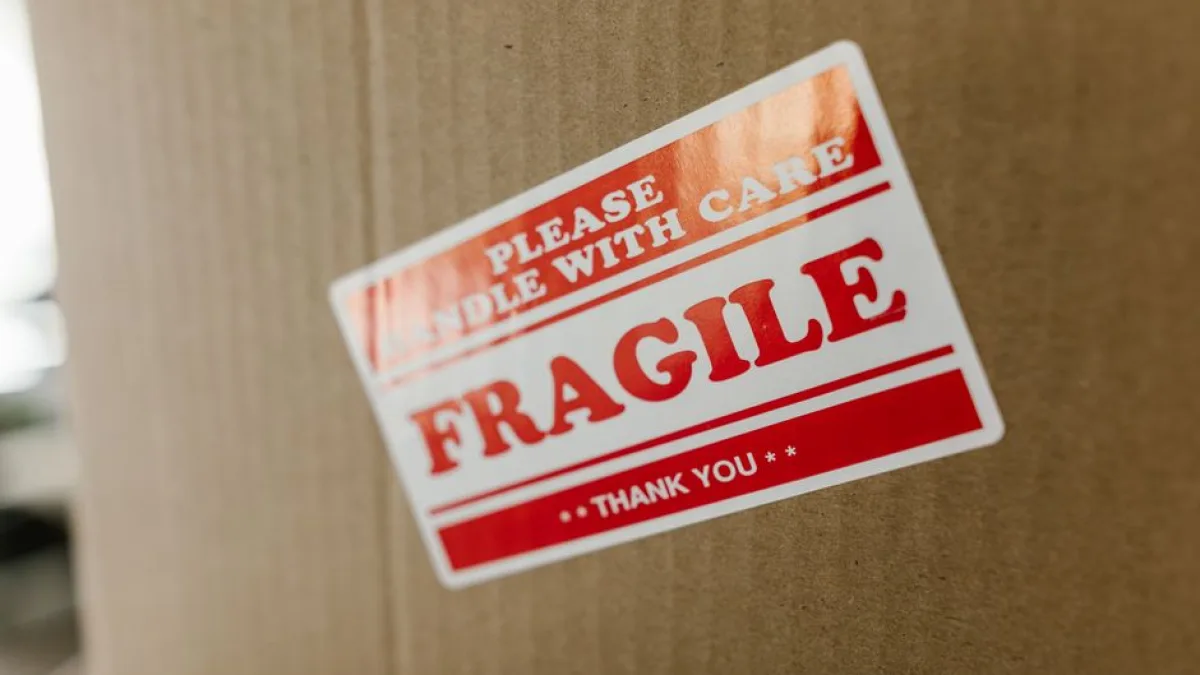
Correctly classifying goods is a foundational step in customs compliance that dictates duty rates and import eligibility for your clients. Misclassification is a primary cause of shipment delays and expensive fines, making it imperative to employ precise methods for product identification during freight processing.
- Harmonized System Utilization: Properly utilizing the global Harmonized System codes ensures that your shipments are categorized correctly for taxation and compliance in every international destination country.
- Database Lookup Tools: Advanced search features within your logistics platform provide quick access to specific commodity definitions, ensuring that you select the most accurate codes available.
- Vendor Data Validation: Cross-referencing product descriptions from your vendors against official databases prevents inaccuracies from propagating through your entire shipping documentation flow and client manifests.
- Expert Classification Reviews: Periodic audits of your product classification methods help ensure that your team stays aligned with current international trade standards and regional tariff variations.
Accuracy in classification prevents expensive customs reassessments that often disrupt client supply chains and damage your agency credibility. Investing time in developing a robust system for product identification pays dividends by ensuring smooth border crossings and satisfied customers. When your team uses modern software to manage these complex classifications, you effectively mitigate risk and uphold your reputation for excellence in global logistics.
Risk Mitigation Strategies
Developing a comprehensive risk management strategy is essential to insulate your company against the volatile nature of global logistics and trade enforcement. Forward-thinking forwarders utilize data-driven insights to anticipate potential bottlenecks, allowing for preemptive adjustments that keep shipments moving efficiently through strict customs environments worldwide.
- Predictive Analytics Tools: Utilizing advanced analytics helps your team forecast potential compliance hurdles based on historical data patterns and current geopolitical trends affecting trade routes and ports.
- Vendor Compliance Programs: Establishing strict guidelines for your partners and carriers ensures that everyone involved in your supply chain adheres to the same high compliance standards.
- Incident Reporting Systems: Creating a standardized process for logging and analyzing compliance issues helps your team identify root causes and implement effective, long-term corrective actions.
- Financial Bonding Procedures: Maintaining appropriate customs bonds and insurance coverage provides an essential safety net for your company in the event of unexpected regulatory disputes or penalties.
Building a resilient compliance framework requires a combination of technology and diligent operational practices. By identifying potential risks early and maintaining strong oversight, you protect your clients from unnecessary delays and unexpected costs. A culture of compliance not only satisfies regulatory authorities but also demonstrates your commitment to professional service. Use these strategies to harden your logistics operations against the complexities of trade.
Conclusion
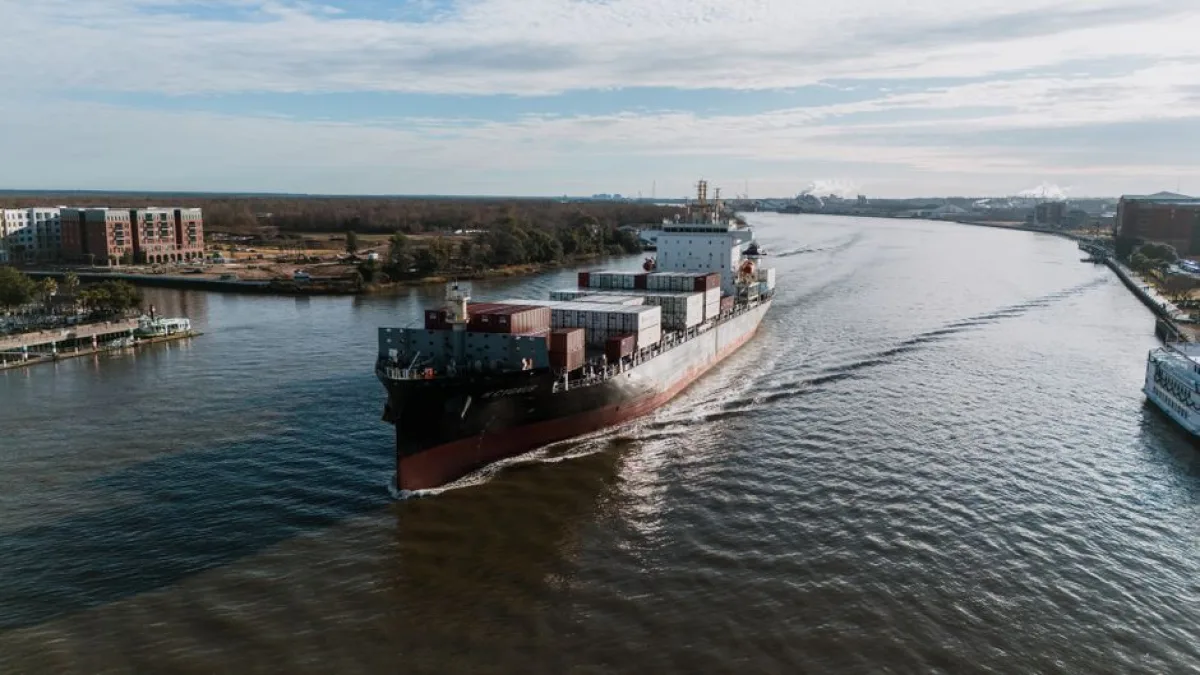
Achieving excellence in customs compliance requires a consistent blend of modern software, employee training, and rigorous attention to detail. By integrating advanced cloud technology into your daily workflows, you minimize risks and improve the speed of your global shipping operations. Stay proactive in monitoring regulatory changes to keep your business ahead of the competition. Contact our team to see how our software helps.