Mastering Customs Compliance: A Freight Forwarder Guide
Wednesday, September 23 2026
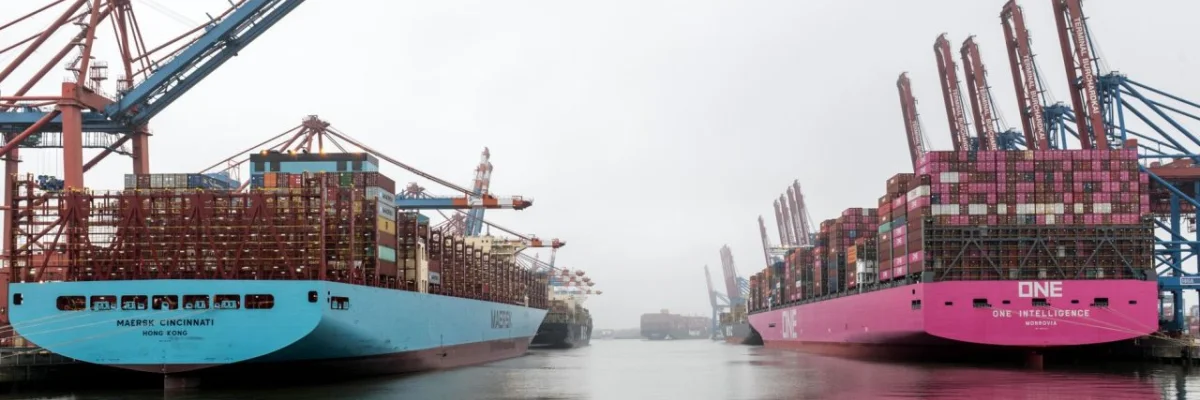
Navigating the complex landscape of global trade regulations requires precision and foresight from every freight forwarder. As international borders become increasingly sensitive to security and data integrity, the ability to maintain flawless customs compliance is no longer optional. It serves as the backbone of operational reliability, protecting your firm from costly delays, legal penalties, and reputational damage. By integrating advanced technology and standardized documentation protocols, professionals can transform compliance from a burdensome regulatory hurdle into a significant competitive advantage that fosters trust with clients and ensures the seamless flow of global cargo across complex international supply chains.
Understanding Trade Regulations

Effective compliance management starts with a deep understanding of current trade laws. Officials demand accurate, timely documentation to ensure that every shipment entering a country adheres to safety and tax standards, making rigorous regulatory oversight essential for any logistics firm today.
- Tariff Classification Accuracy: Assigning correct Harmonized System codes is critical for avoiding incorrect duty payments and preventing potential audits from local customs authorities during the cargo clearance process.
- Export Control Laws: Freight forwarders must strictly monitor restricted party lists and dual use goods to ensure that prohibited items do not reach sanctioned entities or countries.
- Documentation Integrity Standards: Providing complete and legible commercial invoices, packing lists, and certificates of origin reduces the risk of shipments being held up for manual document verification.
- Regular Training Programs: Ongoing education for your staff regarding the latest regulatory updates ensures that every team member remains informed about shifting global trade policies and procedures.
- Data Security Compliance: Protecting sensitive client information during the digital filing process is a primary requirement for maintaining trust and meeting international data protection standards globally.
Adopting a proactive stance toward regulatory changes is vital for long-term success. Freight forwarders who invest time in understanding legal frameworks prevent costly bottlenecks before they occur. By establishing strong relationships with customs brokers and maintaining clean, well organized digital records, you build a foundation of reliability. This dedication to excellence protects your reputation and guarantees that cargo arrives at the final destination without unnecessary delays.
Digital Automation Solutions

The manual management of customs filings is fraught with human error and inefficiency. Modern freight forwarding software provides automated validation tools that scan documents for missing fields, ensuring that every submission meets the specific requirements set by global customs agencies daily.
- Automated Filing Systems: Utilizing integrated platforms allows for the direct submission of declarations, which minimizes manual entry mistakes and significantly speeds up the cargo release workflow timeline.
- Real-time Regulatory Updates: Modern software tracks global policy changes automatically, ensuring that your compliance protocols remain current without requiring extensive manual research by your operational staff.
- Error Detection Algorithms: Intelligent software scans your shipment data for inconsistencies that might flag authorities, providing an opportunity to fix issues before the goods actually reach customs.
- Centralized Document Storage: Keeping all compliance related files in a secure cloud repository simplifies internal audits and makes retrieving proof of compliance quick during inspection requests.
- Workflow Optimization Tools: Customizing your digital processes helps your team handle high volumes of documentation while maintaining strict adherence to complex international trade and safety laws.
Leveraging software to handle the repetitive tasks of customs compliance allows your team to focus on strategic client relations. By automating mundane entry work, you minimize the risk of human oversight while increasing the total volume of shipments processed. This digital transformation makes your business more agile, allowing you to scale operations effectively while maintaining the high standards expected by your international partners.
Managing Audit Readiness

Being prepared for a customs audit is the mark of a truly professional freight forwarder. Maintaining an audit ready state requires constant vigilance and a systematic approach to archiving every piece of data associated with your international shipping operations and activities.
- Comprehensive Record Keeping: Retaining detailed logs for every shipment, including correspondence and financial receipts, proves your company acted in accordance with local laws during past transactions.
- Standardized Internal Audits: Conducting periodic mock audits helps identify potential weaknesses in your current compliance workflow before a real regulator evaluates your historical shipping data records.
- Clear Chain of Custody: Documenting every handoff between carriers and warehouses creates a transparent trail that makes proving legal cargo handling much easier during any investigation.
- Direct Communication Channels: Maintaining clear lines of communication with your customs brokers ensures that if an audit occurs, you have the right experts available immediately.
- Incident Response Planning: Developing a structured plan for how to handle government inquiries minimizes confusion and ensures your team responds professionally and accurately during audits.
Preparing for audits is about building a culture of transparency and accountability within your office. When every file is standardized and stored logically, the stress of an external inspection is virtually eliminated. This organizational maturity proves to your clients that their shipments are in safe, capable hands. A focus on audit readiness secures your business longevity and builds lasting industry credibility.
Mitigating Global Risks

The global shipping environment is constantly exposed to political instability, port congestion, and changing security requirements. Strategic risk mitigation involves identifying potential threats early and implementing flexible shipping plans that maintain compliance even when external conditions become increasingly difficult or complex.
- Geopolitical Risk Monitoring: Analyzing international news allows you to anticipate trade embargoes or policy shifts, giving you the lead time needed to adjust your logistical routes accordingly.
- Supply Chain Transparency: Partnering with reliable vendors ensures that every participant in your shipping chain meets the necessary security standards, reducing the risk of contraband entering shipments.
- Emergency Contingency Planning: Creating secondary transport routes for critical shipments prevents major compliance failures if primary ports experience sudden closures or unexpected security personnel strikes today.
- Insurance Coverage Optimization: Securing appropriate cargo insurance provides a financial safety net that covers potential losses associated with regulatory fines or shipping delays beyond your control.
- Vendor Compliance Screening: Regularly vetting your transport partners ensures that they adhere to international safety standards, keeping your firm protected from third party regulatory violations.
Risk management is an active process that requires constant attention to the global stage. By staying informed about international developments, freight forwarders can pivot quickly to avoid danger zones. This level of preparation provides your customers with peace of mind, knowing that your agency has the foresight to handle whatever challenges arise. Building resilience is key to thriving in the competitive logistics industry.
Conclusion
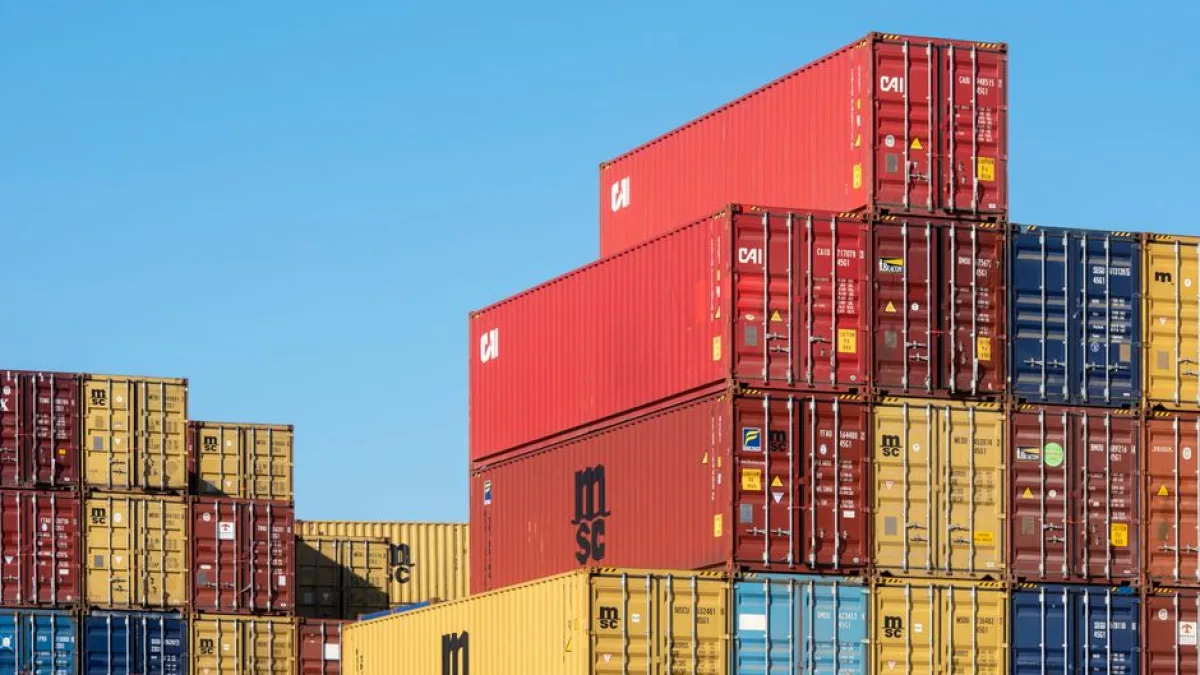
Maintaining high standards in customs compliance is the foundation of a successful freight forwarding business. By prioritizing accurate documentation, leveraging digital automation, and remaining audit ready, you protect your firm from significant operational risks. Focus on these core areas to build trust with your clients and ensure your long term viability. Start optimizing your compliance workflow today to achieve superior logistics performance levels.