Mastering Customs Compliance: A Freight Forwarder Guide
Thursday, October 1 2026

Navigating the complex landscape of global trade requires precision and unwavering attention to customs compliance. As a freight forwarder, your ability to ensure that cargo moves seamlessly across international borders defines your professional reputation and operational success. Regulatory frameworks are constantly evolving, placing significant pressure on logistics providers to maintain accurate documentation and strict adherence to local mandates. By leveraging cloud-based platforms to automate your workflow, you can mitigate human error, reduce the risk of costly penalties, and foster trust with your global partners while ensuring that every shipment remains fully compliant with diverse international trade requirements today.
Digital Documentation Accuracy

Modern customs processes rely heavily on the integrity of digital documentation. By digitizing your paperwork through integrated software, you ensure that vital trade information remains accessible, verifiable, and consistent for every stakeholder involved in the complex international supply chain process.
- Real-time data synchronization: Automated systems ensure that all customs declarations receive the most current information, eliminating discrepancies between shipping manifests and official records to prevent potential clearance delays or audit failures.
- Standardized data templates: Utilizing pre-configured templates reduces the likelihood of clerical errors during manual entry, helping your team maintain high standards of data quality across every single international shipment handled.
- Electronic document storage: Keeping all relevant digital files in a centralized, secure location facilitates quick retrieval during unexpected customs inspections, effectively demonstrating your commitment to transparency and regulatory preparedness at all times.
- Integrated communication tools: Connecting your documentation portal directly with shipping partners enables instant clarification of confusing data fields, ensuring that customs brokers have accurate information before cargo reaches the border.
Precision in documentation serves as your first line of defense against customs inquiries. When your digital records match physical cargo data perfectly, the likelihood of inspections decreases significantly. Implementing smart software tools allows you to maintain this high level of accuracy without increasing administrative burden. Focus on building a robust digital foundation today to ensure your future shipping operations remain efficient, compliant, and consistently profitable.
Understanding Tariff Classification

Correct tariff classification determines your duty obligations and overall impact on cargo lead times. Misclassifying goods can lead to severe fines or seizure, making it critical for freight professionals to utilize automated classification tools to ensure compliance globally.
- Harmonized system updates: Keeping pace with regular updates to the Harmonized System codes ensures that your duty calculations remain accurate and compliant with the latest global trade regulatory changes.
- Automated classification assistance: Intelligent software modules analyze product descriptions to suggest appropriate codes, minimizing human bias and significantly reducing the risk of errors that often occur during manual processing.
- Customs duty estimation: Providing accurate duty estimates early in the shipping process allows your clients to plan their finances effectively, preventing unpleasant surprises when goods eventually arrive at customs.
- Detailed item descriptions: Encouraging clients to provide granular product details helps your software identify correct classifications, which ultimately speeds up the entire clearance process through major international ports.
Tariff classification represents a high-stakes component of your daily operations. Mastering this area requires both continuous education and advanced technological support. By integrating automated classification solutions into your freight software, you turn a complex regulatory task into a streamlined, repeatable process. This shift not only minimizes financial risks for your clients but also establishes your brand as a reliable expert in global trade.
Managing Regulatory Trade Updates
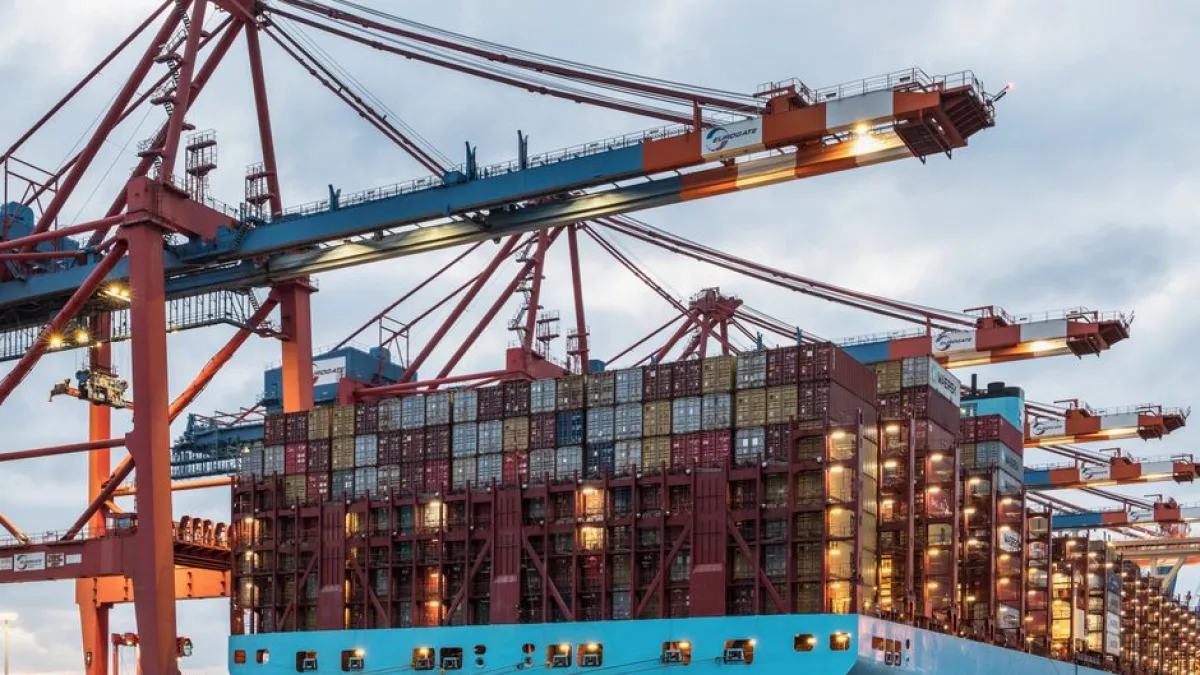
Global trade regulations change frequently, requiring freight forwarders to stay informed about shifting political landscapes and local customs mandates. A proactive approach to monitoring these regulatory shifts is essential for maintaining smooth international cargo flows for all your customers.
- Centralized compliance alerts: Receiving automated notifications regarding new trade restrictions allows your team to adjust shipping strategies quickly before cargo reaches its destination, preventing unexpected hold-ups and costly storage fees.
- Geographic trade intelligence: Accessing detailed information about specific regional customs requirements helps you navigate complex trade corridors, ensuring that your operations adhere to local laws in every single jurisdiction.
- Regulatory compliance training: Investing time in regular team education regarding international laws prepares your staff to handle unconventional shipments while maintaining strict adherence to the most current global standards.
- Supplier verification processes: Implementing rigorous checks on cargo origins ensures that your shipments comply with trade sanctions, protecting your firm from accidental involvement in restricted trade activities across borders.
Staying ahead of regulatory shifts requires a blend of human vigilance and modern software capabilities. By utilizing platforms that push real-time compliance updates directly to your dashboard, you gain a competitive edge. This proactive management style prevents cargo delays and builds long-term confidence with your clients, proving that your firm is always prepared for the evolving challenges of modern global shipping and logistics.
Leveraging Advanced Compliance Software

Modern cloud-based freight platforms provide the infrastructure needed to manage complex compliance tasks with ease. These tools transform how you handle risk, enabling your firm to scale operations while ensuring every single shipment meets international legal and security standards.
- Automated audit trails: Generating comprehensive logs for every shipping activity provides essential evidence for customs officials, ensuring that your company maintains a clean record during every formal audit.
- Cloud access mobility: Enabling your team to access secure customs documentation from any location ensures that critical information remains available around the clock, supporting uninterrupted international freight movement.
- Third-party system integration: Seamlessly connecting your internal software with customs authority portals accelerates data submission, drastically reducing the time spent waiting for regulatory approval at major international shipping hubs.
- Data security protocols: Utilizing encrypted cloud platforms protects sensitive trade information from unauthorized access, ensuring that your clients data remains confidential throughout the entire international shipping process today.
Adopting advanced compliance software is no longer optional for successful freight forwarders. It is the backbone of operational efficiency in a volatile global market. By choosing the right cloud platform, you empower your team to focus on strategic growth rather than repetitive administrative chores. Embrace technological innovation to secure your position as a top tier forwarder and deliver consistent, compliant results for your global clients.
Conclusion

Achieving excellence in customs compliance requires a consistent commitment to accuracy, ongoing education, and the adoption of modern cloud-based logistics software. By prioritizing these three pillars, freight forwarders can effectively navigate the complexities of international trade while minimizing operational risk. Keep refining your processes and leveraging technology to ensure that every shipment proceeds smoothly, ultimately driving success and reliability for your valued global shipping partners.