Mastering Customs Compliance: A Freight Forwarder Guide
Tuesday, October 13 2026
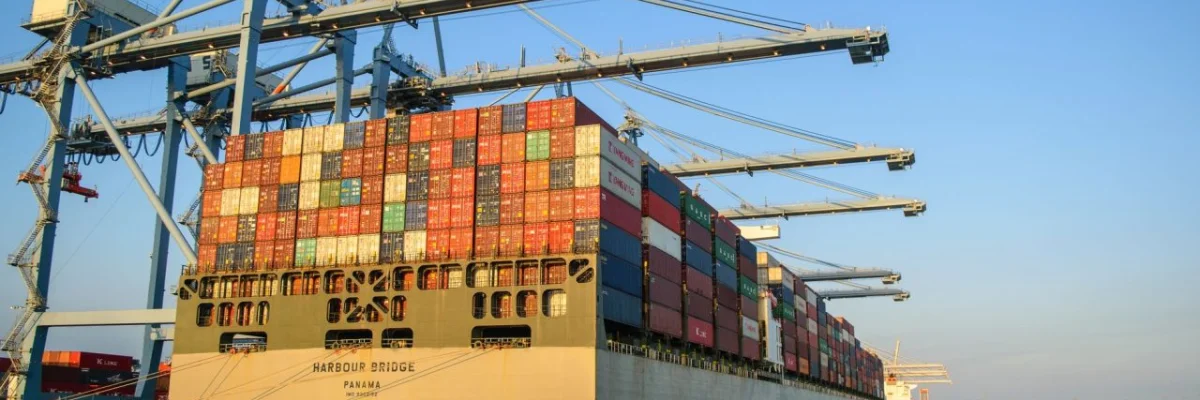
Global trade relies heavily on the efficiency of customs clearance procedures, yet the regulatory landscape is becoming increasingly complex for freight forwarders. As international borders tighten security and implement new digital filing requirements, professionals must adapt to survive. Navigating these challenges requires a mix of advanced technology, rigorous documentation management, and deep regulatory knowledge. Whether managing air, sea, or land freight, your ability to maintain compliance directly impacts your operational speed and client satisfaction. This article explores essential strategies for modernizing your customs processes to ensure that your shipments move through borders without unnecessary delays or costly penalties.
Digitizing Documentation Workflows

The shift toward paperless environments is transforming how forwarders manage customs entries. By leveraging cloud-based platforms, teams can now automate data collection and ensure that every submission adheres to the latest requirements from authorities across various international jurisdictions today.
- Real-time data synchronization: Our cloud-based software ensures that all team members access the most current shipment data, reducing manual entry errors and significantly accelerating the overall customs clearance cycle time.
- Automated error detection: Advanced algorithms flag missing fields or invalid codes in your documentation before submission, preventing potential rejection by customs authorities and saving your team valuable operational hours.
- Secure document archiving: Maintain a centralized digital repository of all trade documents, ensuring that every shipment history remains accessible for audit requirements while protecting sensitive client financial information effectively.
- Instant status updates: Provide your clients with immediate notifications regarding their shipment clearance progress, fostering transparency and trust through automated communication features integrated directly into your central management platform.
Adopting digital workflows minimizes human error, which is the primary cause of customs delays. By integrating automated checks directly into your freight forwarding software, you can guarantee that documents meet international standards before they reach border agencies. This proactive approach not only speeds up the clearance process but also enhances your reputation as a reliable logistics partner capable of handling complex international trade demands.
Navigating Tariff Classification
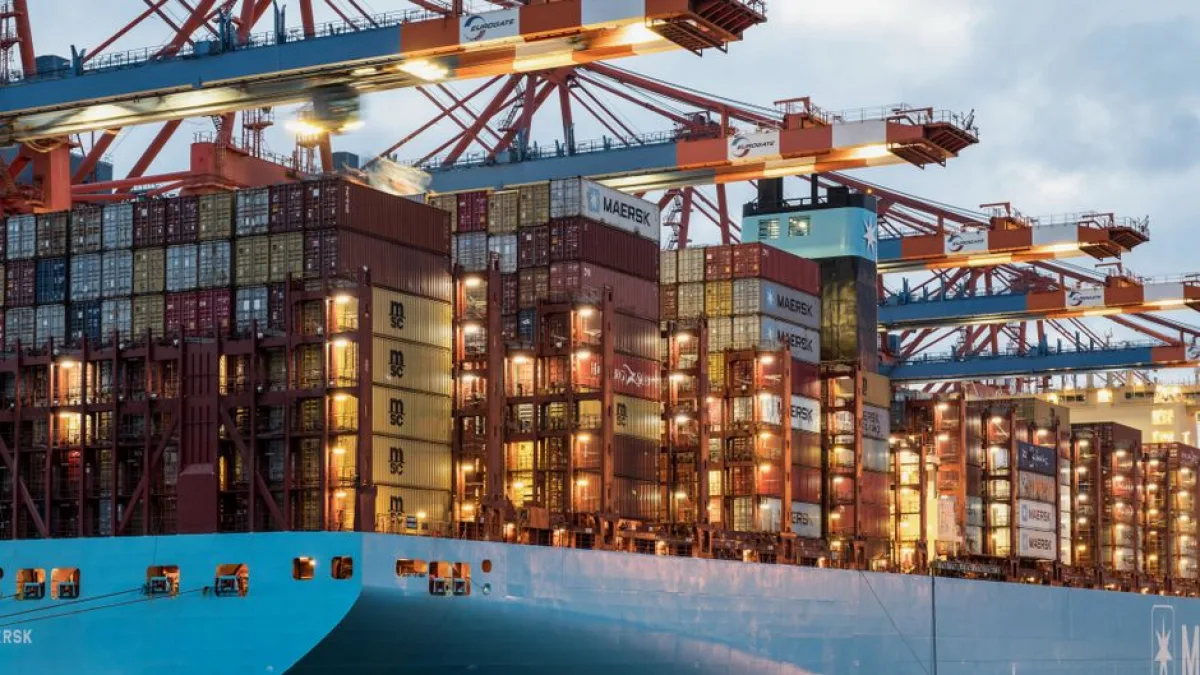
Accurate commodity classification remains the cornerstone of compliant customs declarations. Mismatched HS codes can lead to significant overpayments in duties or even severe legal penalties. Mastering this process is vital for ensuring total trade compliance across all international borders.
- Comprehensive HS databases: Utilize integrated classification tools that automatically suggest correct HS codes based on commodity descriptions, helping you avoid classification errors that could trigger audits or fines.
- Duty optimization strategies: Analyze various tariff schedules to identify potential duty savings or trade agreement benefits, providing your clients with significant cost advantages while maintaining full legal compliance.
- Regular regulatory updates: Receive automated alerts whenever tariff codes change or new government mandates are introduced, ensuring that your database remains current without requiring tedious manual research efforts.
- Historical data analysis: Review previous shipments to identify recurring classification patterns, allowing your team to standardize internal procedures and reduce the time spent on repetitive administrative customs tasks.
Classifying goods correctly is a demanding task that requires constant attention to detail and up-to-date industry knowledge. By implementing software-driven classification tools, your team can eliminate guesswork and rely on structured data to make informed decisions. This consistency prevents financial discrepancies and protects your company from unexpected regulatory scrutiny, allowing your staff to focus on higher-level service optimization for your clients.
Managing Compliance Audits
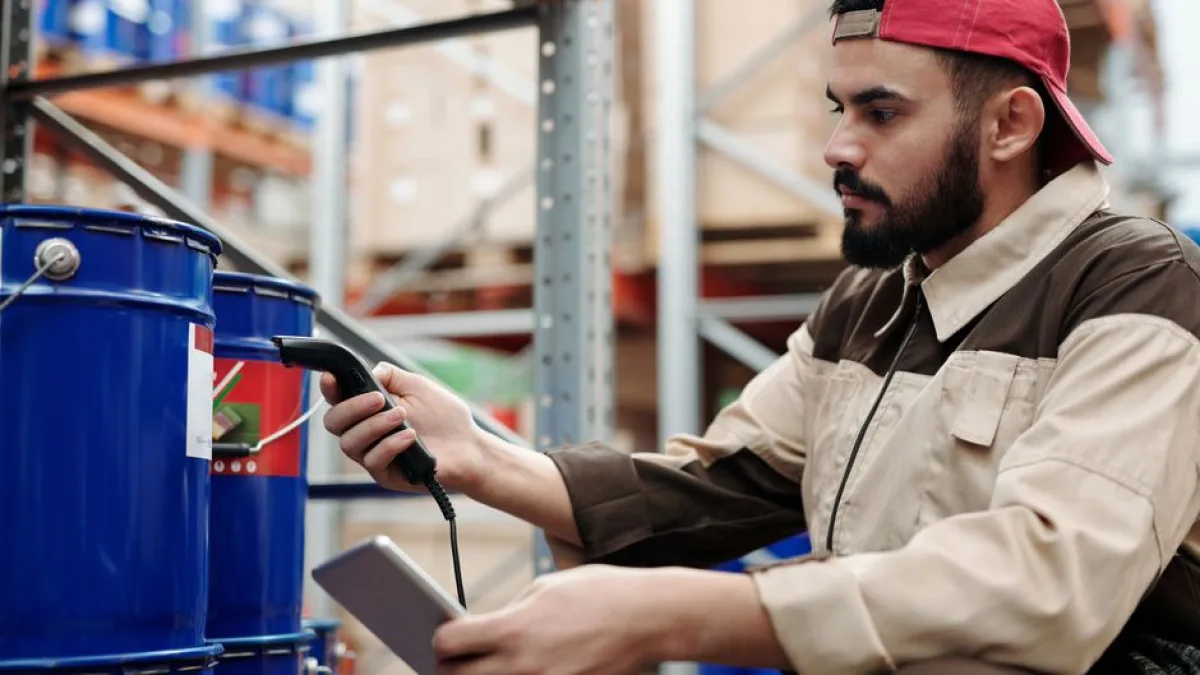
Preparing for customs audits is often a stressful experience for forwarders who lack organized data systems. A proactive approach to record-keeping and internal checks is necessary to survive inspections. Strong preparation turns a potentially disruptive audit into a simple confirmation of your operational excellence.
- Structured audit trails: Maintain granular records for every transaction, documenting the entire lifecycle of a shipment from initial booking to final delivery to satisfy any regulatory investigation.
- Internal compliance reviews: Conduct scheduled self-audits using digital checklists to identify vulnerabilities in your documentation process before customs officials perform their formal evaluations of your logistics records.
- Centralized reporting tools: Generate comprehensive reports that summarize your compliance performance across all shipments, providing clear evidence of your adherence to international trade laws and agency mandates.
- Standardized operating procedures: Implement rigid workflows that govern how customs documents are handled, ensuring that every staff member follows the same security protocols during every single transaction.
Audits are inevitable in the logistics sector, but they do not have to be painful. By maintaining a transparent and well-organized data environment, you demonstrate professionalism to customs officials. Using our platform, you can quickly retrieve specific documentation, proving your commitment to compliance. This level of readiness mitigates risk and ensures that your business operations continue smoothly even during rigorous government investigations.
Training and Talent Development

Technology alone cannot replace the expertise required for complex customs procedures. Investing in continuous staff training ensures your team remains knowledgeable about shifting trade regulations and software advancements. Skilled professionals are your best defense against errors and delays in the global supply chain.
- Continuous learning modules: Provide your staff with regular training sessions that cover recent updates to international trade law, ensuring that everyone maintains a high level of expertise.
- Software proficiency training: Ensure every team member knows how to maximize the features of your freight forwarding platform, which improves overall operational efficiency and reduces processing times.
- Compliance certification programs: Encourage employees to obtain professional certifications in customs brokerage or logistics compliance to bolster your team credibility and enhance the quality of your services.
- Cross-departmental knowledge sharing: Foster a culture where information about new customs requirements is shared openly, preventing silos and ensuring that your entire organization operates as a cohesive unit.
Your team is the most valuable asset in managing complex customs requirements. Providing them with the right tools and training creates a resilient workforce capable of handling unexpected regulatory changes. When your employees are experts in both local customs regulations and your freight software, your company gains a massive competitive advantage, ensuring that shipments move safely and quickly across international borders every day.
Conclusion

Mastering customs compliance is a journey that blends modern technology with expert knowledge. By digitizing your documents, refining your classification processes, preparing for audits, and training your team, you secure your position as a top-tier freight forwarder. Use these strategies to optimize your operations and provide your clients with the reliable, error-free logistics services they expect in today competitive global market environment.