Mastering Customs Compliance: A Freight Forwarder Guide
Monday, October 19 2026
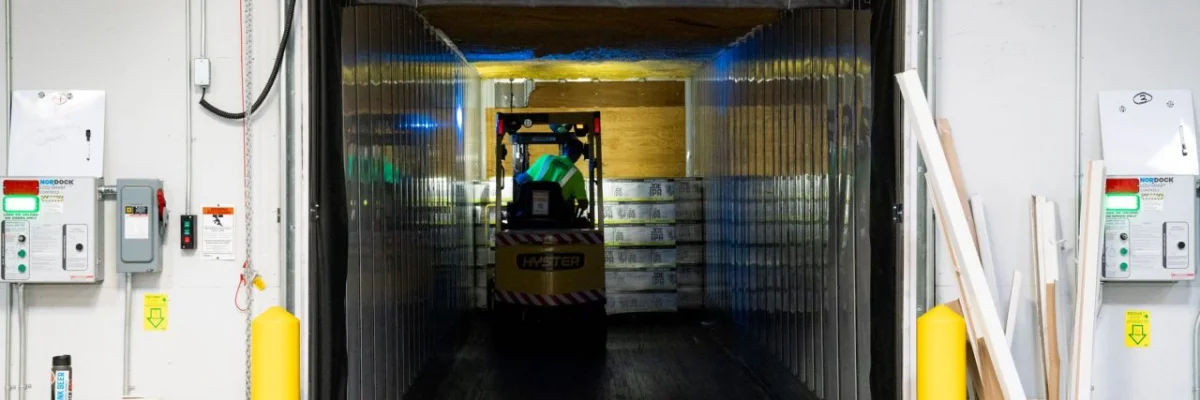
Navigating the complex landscape of international customs and compliance remains the most significant challenge for modern freight forwarders. As global trade regulations evolve with unprecedented speed, the burden of ensuring accurate documentation and regulatory adherence falls squarely on logistics professionals. Failure to maintain strict compliance standards leads to costly shipment delays, substantial financial penalties, and damaged reputation within the supply chain. By integrating advanced cloud-based technology with a proactive mindset, forwarders can transform compliance from an operational bottleneck into a strategic competitive advantage, ensuring seamless cross-border transit while protecting their clients from the unpredictable risks inherent in today's global shipping environment.
Understanding Regulatory Compliance Basics

Effective customs management starts with a deep understanding of local and international regulations. Freight forwarders must ensure that every shipment follows strict guidelines to avoid seizures or heavy fines, as modern logistics hubs rely on precise data to process cargo efficiently and safely.
- Harmonized System Codes: Selecting the correct classification codes is vital for determining duty rates and avoiding discrepancies that lead to significant customs audits and shipment delays during inspection.
- Documentation Accuracy Protocols: Every commercial invoice and packing list must contain precise information to satisfy government authorities, preventing common errors that cause shipments to stall in customs terminals.
- Importer Security Filing: Forwarders must coordinate with shippers to submit essential security data before vessel departure, ensuring full compliance with maritime safety regulations to avoid expensive non-compliance penalties.
- Export Control Compliance: Monitoring restricted entity lists and dual-use goods ensures that freight moves legally across international borders without violating essential export laws or trade embargo policies.
Adopting a meticulous approach to documentation helps freight forwarders maintain steady operations despite shifting political climates. By treating compliance as a core pillar of service rather than a side task, businesses build trust with their clients. Investing time in validating every single detail at the start of the process minimizes risks and ensures that cargo flows without unnecessary disruption across global customs checkpoints.
Leveraging Technology for Automation

Digital transformation allows forwarders to automate repetitive compliance tasks. Using cloud software helps teams track filings in real-time, reducing human error while increasing the speed of document processing. This modernization represents a critical shift in how firms handle complex data today.
- Cloud Data Storage: Centralizing all customs paperwork in a secure cloud environment allows teams to access critical documents instantly from any location during urgent customs clearance events.
- Automated Validation Tools: Software features that automatically check data against known customs databases help flag inconsistencies early, allowing staff to correct errors before they trigger official investigations.
- Digital Signature Integration: Utilizing electronic signatures speeds up the submission process significantly, eliminating the slow manual handling of paper forms that often causes unnecessary delays at borders.
- Real-time Update Alerts: Automated notifications regarding changes in international trade laws ensure that forwarders remain compliant with the latest rules without needing to manually monitor government portals.
Smart technology is the primary tool for reducing overhead in a busy freight office. When software handles the heavy lifting of repetitive verification, experienced logistics professionals can focus on solving high-level shipment issues. This balance of automation and human insight creates a robust framework that supports business growth while maintaining excellent compliance standards that meet every global regulatory requirement needed today.
Managing Risk in Global Trade

Risk mitigation strategies are essential for protecting the integrity of the supply chain. Forwarders must actively anticipate potential regulatory hurdles by conducting thorough audits and maintaining constant communication with both carriers and customs brokers to avoid unexpected complications during the transit.
- Vendor Compliance Audits: Regularly reviewing the performance and compliance history of partners and agents reduces the chances of encountering issues related to improper documentation or illegal activities.
- Contingency Planning Strategies: Developing solid backup plans for shipments stuck in customs ensures that delays remain manageable and that client cargo does not stay abandoned in ports.
- Security Certification Programs: Participating in trusted trader programs allows forwarders to gain priority status, which frequently leads to faster processing times and lower inspection rates for cargo.
- Insurance Coverage Review: Having comprehensive insurance policies that specifically address customs-related losses provides a necessary safety net for forwarders when unexpected regulatory actions threaten shipment schedules.
Proactive risk management ensures that freight forwarders remain resilient even when faced with sudden trade wars or changing border regulations. By identifying potential failure points early, teams can steer shipments away from trouble before it impacts the bottom line. Developing this level of foresight demonstrates high professional value to customers who demand reliability and peace of mind during their international trade activities.
Building Strong Client Partnerships

Open communication with clients builds the foundation for shared success. Explaining the complexities of customs requirements helps manage expectations, ensuring that shippers understand why specific documentation is mandatory for the smooth movement of their goods through strict international ports.
- Educational Client Workshops: Hosting webinars or providing guides on customs regulations helps clients understand their responsibilities, resulting in fewer errors and faster clearance times for their shipments.
- Transparent Reporting Cycles: Sharing regular compliance reports allows clients to see the effort put into their logistics, reinforcing the value of the service provided by the forwarder.
- Proactive Problem Solving: Addressing potential compliance bottlenecks during the quoting phase establishes a collaborative relationship where both parties work together to prevent future shipment delays effectively.
- Customized Compliance Solutions: Tailoring the compliance approach to fit the specific industry needs of each client ensures a higher level of accuracy and satisfaction in services.
Strong relationships act as a cushion when complex regulatory problems occur. When a freight forwarder and a client work as a unified team, resolving issues becomes much faster and less stressful for everyone involved. Investing in these partnerships builds long-term loyalty and ensures that the business thrives as a trusted advisor capable of handling any customs challenge that might arise during shipping.
Conclusion
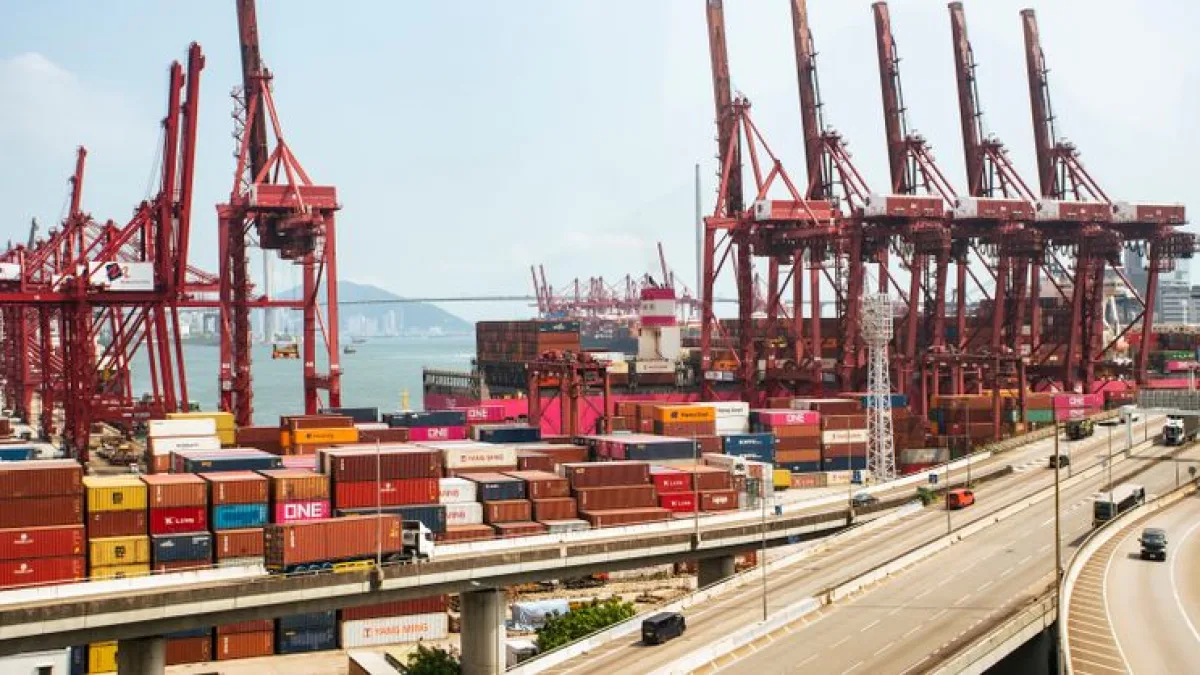
Maintaining excellence in customs compliance requires a blend of updated knowledge, reliable technology, and strong communication. By focusing on these pillars, freight forwarders can effectively navigate the complexities of international trade. MakeCargo remains committed to supporting your operational success through innovative tools that simplify compliance workflows. Embrace these strategies today to safeguard your reputation, minimize financial risk, and continue delivering exceptional value for your clients.