Mastering Customs Compliance: A Freight Forwarder Guide
Wednesday, October 21 2026
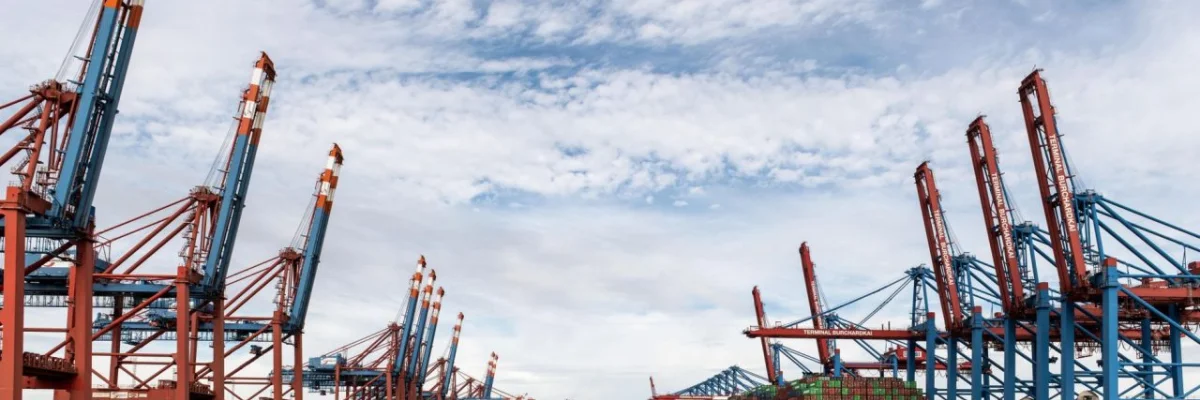
Navigating the complex landscape of global customs regulations requires precision and proactive management to avoid costly delays or hefty penalties. Freight forwarders play a critical role as the gatekeepers of international trade, ensuring that documentation is accurate and compliant with ever changing local and international laws. As supply chains grow more intricate, relying on outdated manual processes creates significant risks for your operations. By leveraging digital tools and staying informed about regulatory shifts, forwarders can enhance their service reliability, protect their clients from legal liabilities, and build a reputation for operational excellence in an increasingly transparent global market.
The Critical Role of Documentation

Accurate paperwork serves as the backbone of every shipment, facilitating smooth passage through borders and ensuring that goods are correctly classified for duty assessments. Errors in these documents often lead to shipments being seized or delayed at terminal points globally.
- Prioritize data accuracy: Inputting precise information at the point of origin minimizes discrepancies that frequently trigger manual customs inspections or significant administrative penalties during the final clearance process today.
- Standardize filing processes: Establishing a consistent digital workflow ensures that every team member follows the same compliance protocols, reducing human error and improving overall efficiency across your company.
- Verify tariff codes: Double checking HS codes against official government databases prevents costly classification mistakes that can result in incorrect tax payments and future regulatory auditing headaches.
- Digital document archiving: Maintaining a secure, cloud-based repository for all clearance records allows for instant retrieval during government audits, demonstrating your commitment to transparency and regulatory compliance.
Efficient document management is not merely an administrative task, but a strategic advantage for forwarders who handle high volumes of cargo daily. By automating the validation of commercial invoices and packing lists, your team reduces the risk of manual typos while speeding up the release of goods. Investing in software that flags missing information ensures your shipments maintain continuous momentum throughout the customs clearance cycle.
Leveraging Advanced Compliance Software

Modern cloud based software solutions transform how forwarders approach compliance by providing real time visibility and automated alerts for changing international trade regulations. These platforms act as a centralized hub, keeping your entire global team perfectly synchronized and compliant.
- Automated status updates: Receive instant notifications regarding changes in trade agreements or regional import bans, allowing your logistics team to adjust routing strategies before shipments face any issues.
- Centralized compliance database: Store all relevant client profiles and commodity data in a protected, accessible location, ensuring that everyone on the team uses the latest regulatory information available.
- Real time validation: Integrated validation engines scan your shipping data against international restricted party lists, protecting your business from the legal consequences of shipping to unauthorized entities.
- Improved partner integration: Seamlessly connect your platform with carrier and customs broker systems to ensure data flows securely and accurately without the need for manual reentry.
Transitioning from spreadsheets to integrated freight software empowers your team to make data driven decisions that significantly lower operational risk. With real time monitoring, you can proactively resolve potential issues before they become expensive bottlenecks. This level of technological maturity not only keeps your operations running smoothly but also provides a superior customer experience by ensuring reliable and transparent delivery timelines.
Navigating Changing International Regulations

Global trade policies remain in a state of flux as governments update regulations to address security concerns and economic priorities. Forwarders must remain agile, continuously updating their internal processes to accommodate these shifting requirements for different regions and product types.
- Continuous staff training: Regularly conduct workshops on updated customs laws to ensure your logistics specialists remain competent, confident, and prepared to handle complex international shipment requirements effectively.
- Strategic regulatory monitoring: Subscribe to professional trade news feeds and government updates to stay ahead of sudden policy shifts that might impact your current cargo flows.
- Engage legal experts: Build relationships with local customs brokers and legal consultants who offer specialized knowledge for niche markets where regulatory requirements are particularly strict or opaque.
- Audit internal protocols: Perform periodic reviews of your standard operating procedures to verify they align with the latest international security standards and modern trade compliance requirements.
Remaining agile in a volatile regulatory environment is the hallmark of a successful freight forwarding firm. While updates to international trade law can seem overwhelming, they also present opportunities to differentiate your services by offering clients expert guidance. By staying proactive and well informed, you ensure your agency remains a trusted partner that clients can rely on regardless of shifting global policies.
Building Stronger Broker Relationships

Successful customs clearance relies heavily on the strength of the partnership between the forwarder and the customs broker. These professional relationships define how effectively information is shared and how quickly potential issues are resolved during the critical clearance process.
- Establish clear communication: Use shared digital platforms to exchange clearance data instantly, ensuring that both parties work from identical information and minimize the risk of costly misinterpretations.
- Standardize data formats: Create uniform templates for cargo data to streamline the information exchange process, helping brokers process your filings faster and with higher accuracy rates.
- Align operational goals: Meet regularly with your primary brokerage partners to discuss performance metrics, helping you identify areas where documentation flow could be further optimized together.
- Define dispute resolution: Set clear protocols for how to handle documentation conflicts or clearance delays, ensuring that both teams know exactly how to cooperate during crises.
Strong collaborative relationships allow for a more resilient supply chain that can withstand unexpected disruptions at border crossings. When forwarders and brokers communicate effectively, they create a safety net for clients that minimizes downtime and maximizes efficiency. Fostering these connections through shared digital tools ensures that your operations remain smooth, consistent, and highly responsive to the demands of the modern international freight industry.
Conclusion
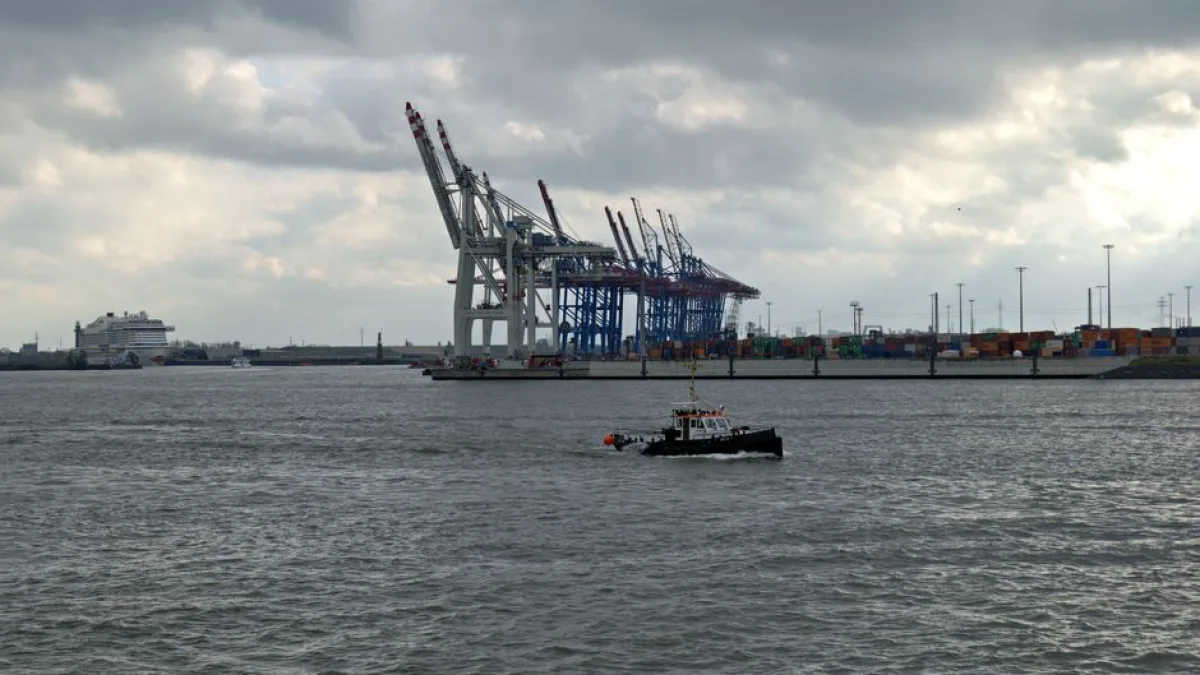
Maintaining rigorous customs compliance is essential for any modern freight forwarder aiming for growth and professional longevity. By integrating automated software, fostering strong relationships with brokers, and prioritizing documentation accuracy, your company can reduce risks and increase overall efficiency. Stay proactive by updating internal procedures to reflect current global regulations. Start optimizing your customs operations today to ensure a seamless and reliable service.