Mastering Customs Compliance: A Freight Forwarder Guide
Tuesday, October 27 2026
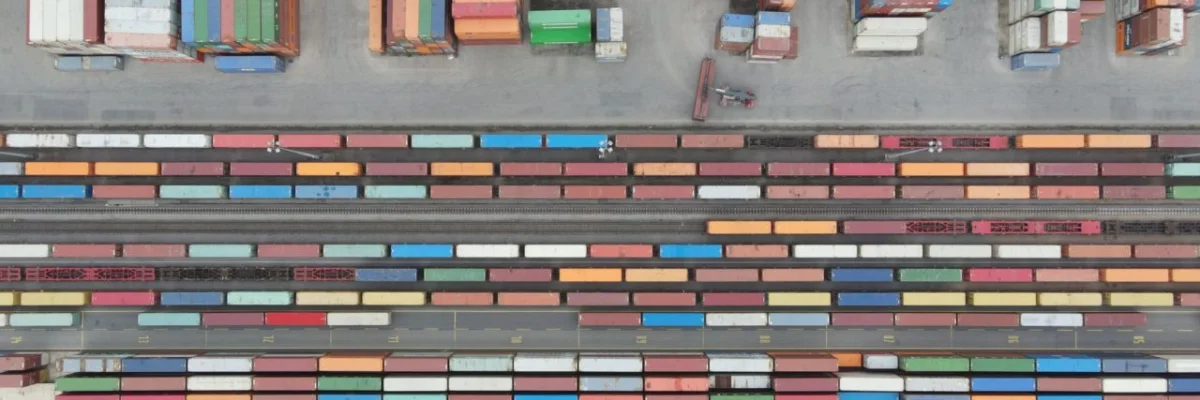
Navigating the complex landscape of international customs regulations requires precision and foresight to ensure cargo flows seamlessly across borders without costly delays. For modern freight forwarders, compliance is not merely a box-ticking exercise but a core business strategy that protects clients and mitigates legal risks. As global trade policies evolve with increasing speed, relying on manual processes or outdated documentation methods is no longer sustainable. By leveraging digital tools and maintaining deep industry expertise, logistics professionals can transform their regulatory obligations into a competitive advantage that fosters long-term trust with shippers and customs authorities alike.
Streamlining Documentation Workflows

Digital transformation revolutionizes how forwarders manage complex paperwork by automating data entry and validation tasks. Reducing human error through integrated software ensures that every declaration meets the specific requirements of destination authorities, effectively preventing common bottlenecks during the clearance phase.
- Automated Data Validation: System tools instantly verify shipment information against current tariff schedules to ensure all codes and declarations align with updated regulations for smoother processing at every border.
- Digital Document Storage: Centralizing manifests and commercial invoices in a cloud platform allows for rapid retrieval during audits, ensuring you remain ready for unexpected requests from government officials.
- Real-time Error Detection: Advanced algorithms flag missing or incorrect fields before submission, allowing teams to rectify mistakes immediately and avoid the severe penalties associated with inaccurate customs filings.
- Integrated Customs Filing: Direct connectivity with national customs databases enables seamless electronic communication, eliminating the need for manual dual entry and speeding up the overall release time.
Adopting integrated software solutions allows your team to move away from tedious manual filing and towards exception-based management. This shift saves countless hours while significantly lowering the risk of fines or shipment seizures due to clerical oversights. As you refine your document workflow, your logistics operations will become more agile and resilient in the face of shifting international trade regulations and requirements.
Understanding Tariff Classification Accuracy
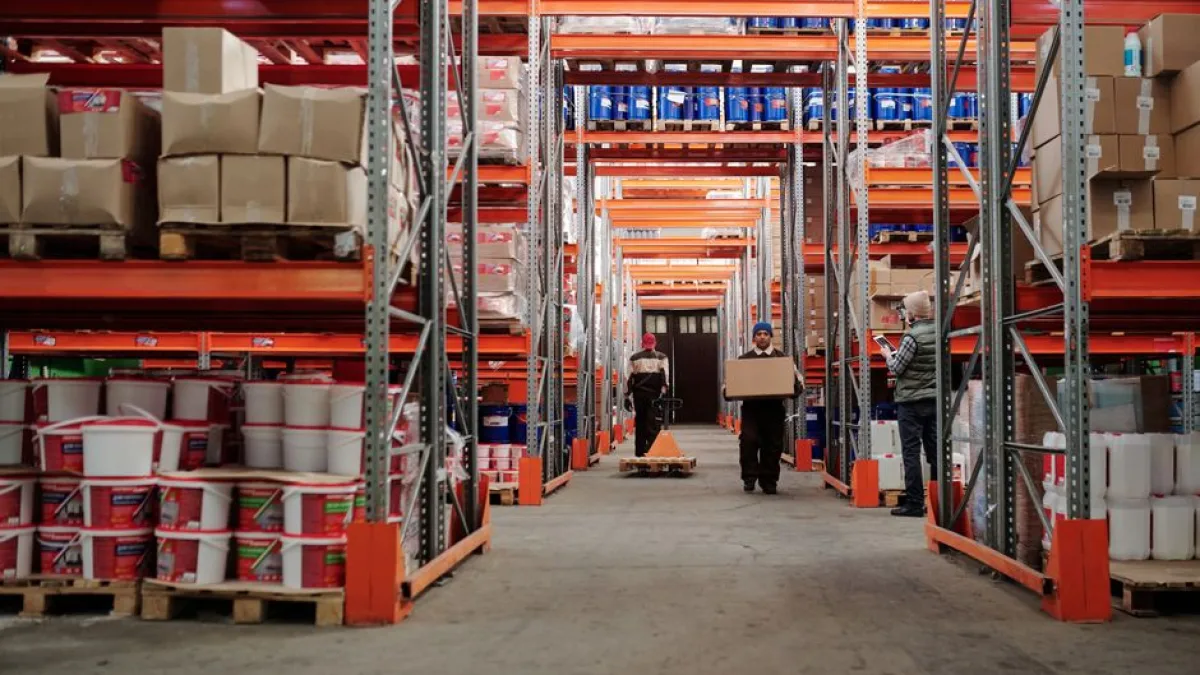
Correct classification of goods remains the foundation of compliant customs operations, directly impacting duty payments and shipping timelines. Failure to apply the right Harmonized System codes can lead to audits, financial penalties, and long-term damage to your professional reputation.
- Standardized Code Mapping: Implementing automated classification modules helps staff select the correct codes based on product descriptions, ensuring consistency across all shipments handled by your logistics firm globally.
- Tariff Rule Updates: Subscription services within your software provide automatic alerts whenever HS code definitions change, keeping your classification process compliant with the latest global trade policies.
- Consistency Across Shipments: Maintaining a structured database of previously classified items prevents inconsistent labeling, which is a major red flag for customs inspectors performing deep cargo audits.
- Risk Mitigation Strategy: Regular internal reviews of classification logic act as a shield against potential investigations, demonstrating due diligence and professional competence to customs and excise agencies.
Precision in classification is the primary defense against unexpected duty assessments and costly shipping delays. By utilizing intelligent software that keeps classification data updated, forwarders can confidently promise shippers accurate cost projections and reliable delivery dates. Focus on training your team to leverage these digital resources to ensure that every classification decision remains defensible during high-pressure inspections by government authorities.
Leveraging Trade Agreement Benefits

Freight forwarders who master preferential trade agreements provide immense value by reducing duty burdens for their clients. Identifying eligible goods and ensuring proper documentation for origin certification requires a keen eye for detail and comprehensive knowledge of international trade pacts.
- Origin Verification Tools: Digital platforms help verify the rules of origin for specific products, ensuring that your clients benefit from reduced tariffs wherever applicable under trade agreements.
- Certificate Management Systems: Track and store essential certificates of origin in a secure environment to ensure they are available for instant presentation during the import process.
- Rule Compliance Monitoring: Automated notifications track upcoming changes to treaty requirements, allowing your team to proactively adjust strategies before new trade rules take effect for shippers.
- Client Advisory Services: Use your expertise and software data to inform clients about potential savings through trade pacts, positioning your firm as a strategic partner in supply chain.
Turning customs compliance into a value-add service allows your firm to differentiate itself in a crowded market. Helping clients navigate complex trade pacts while managing the paperwork burden creates a sticky business model that encourages long-term partnerships. When you utilize software to track these complex benefits, you simplify the process of reducing landed costs for every client you serve in the industry.
Managing Ongoing Regulatory Audits

Preparing for regulatory audits is a continuous process that demands organized records and clear communication channels. A proactive approach to record keeping ensures that your firm can handle scrutiny with minimal disruption to daily operations or client services throughout the year.
- Centralized Audit Trail: Software keeps a permanent, time-stamped history of every action taken on a file, providing clear evidence of compliance to any inspector or regulatory body.
- Automated Reporting Tools: Generate comprehensive compliance reports in seconds to satisfy audit requests, replacing the need for frantic document gathering and manual data compilation during inspections.
- Standardized Record Keeping: Consistent filing protocols across all branch offices ensure that information remains uniform, making it easier for auditors to navigate your data during reviews.
- Performance Metric Tracking: Monitor key compliance KPIs, such as release times and error rates, to identify trends that may require immediate management attention or process improvements.
A disciplined approach to audit readiness transforms anxiety into confidence during any regulatory review. By maintaining a clean and searchable digital history of every transaction, your team minimizes the time spent on administrative inquiries. This reliability reinforces your status as a compliant, professional freight forwarder, protecting your operations and ensuring that your firm remains in good standing with all relevant authorities.
Conclusion
Mastering customs compliance is an essential pillar for any successful freight forwarding firm operating in today global trade environment. By integrating smart software, focusing on accurate classification, and staying proactive with regulatory updates, you protect your clients and streamline your operations. Start optimizing your compliance workflows today to ensure your business remains efficient, competitive, and fully prepared for any regulatory changes ahead.