Mastering Customs Compliance: A Freight Forwarder Guide
Tuesday, October 27 2026
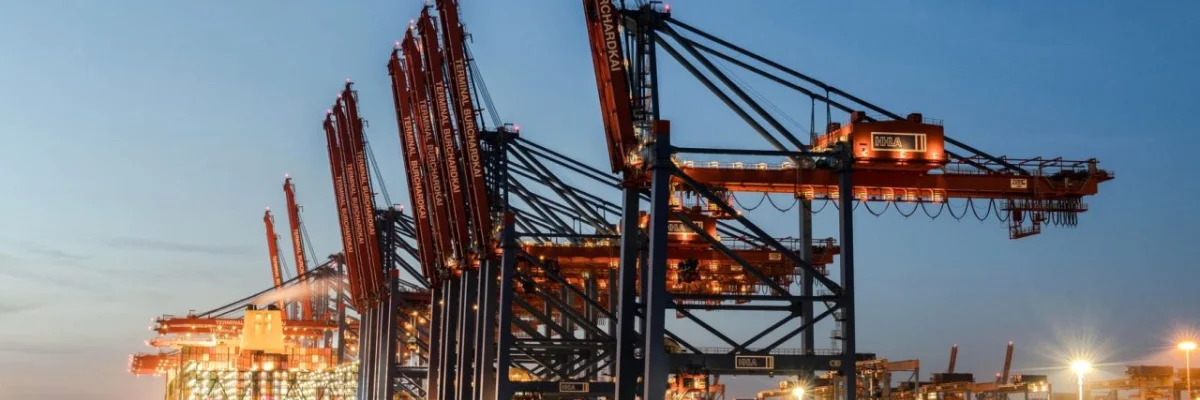
Navigating the complex landscape of global trade requires freight forwarders to stay ahead of ever-changing customs regulations and international compliance standards. As logistics networks grow more interconnected, the risk of delays, penalties, and shipments being held at borders increases significantly for unprepared businesses. Utilizing digital solutions to manage documentation and automated tariff classification allows forwarders to minimize human error and ensure seamless operations. By prioritizing regulatory adherence and integrating smart software, freight professionals can build trust with clients while streamlining the movement of goods across sensitive international borders through diligent preparation and data accuracy.
The Digital Transformation of Documentation

Transitioning from paper-based systems to digital platforms allows firms to manage complex documentation requirements with greater precision. Modern software ensures that every declaration matches shipment details exactly, reducing common clerical errors that frequently trigger costly audits or delays at the border.
- Real-time data entry: Automated systems capture shipment details directly from invoices, ensuring that all information submitted to customs authorities is accurate, consistent, and compliant with current international trade laws.
- Centralized document storage: Keeping all declarations and shipping manifests in one secure cloud environment allows teams to retrieve records instantly during sudden customs inspections or mandatory quarterly audits.
- Standardized data formats: Using universal data standards helps forwarders communicate effectively with customs agents across different countries, preventing misinterpretations of cargo types or value assessments during the clearance process.
- Version control systems: Automated software updates documentation automatically when regulations change, ensuring that freight forwarders always utilize the most recent compliance templates required by specific national customs agencies.
Adopting these advanced digital workflows empowers your team to handle international shipments with unprecedented speed. By removing manual document entry, your staff can focus on high-value tasks while the software manages the intricate compliance checks behind the scenes. This shift not only prevents expensive bottlenecks but also strengthens your company reputation as a reliable and efficient partner in the global supply chain industry.
Navigating Evolving Tariff Structures
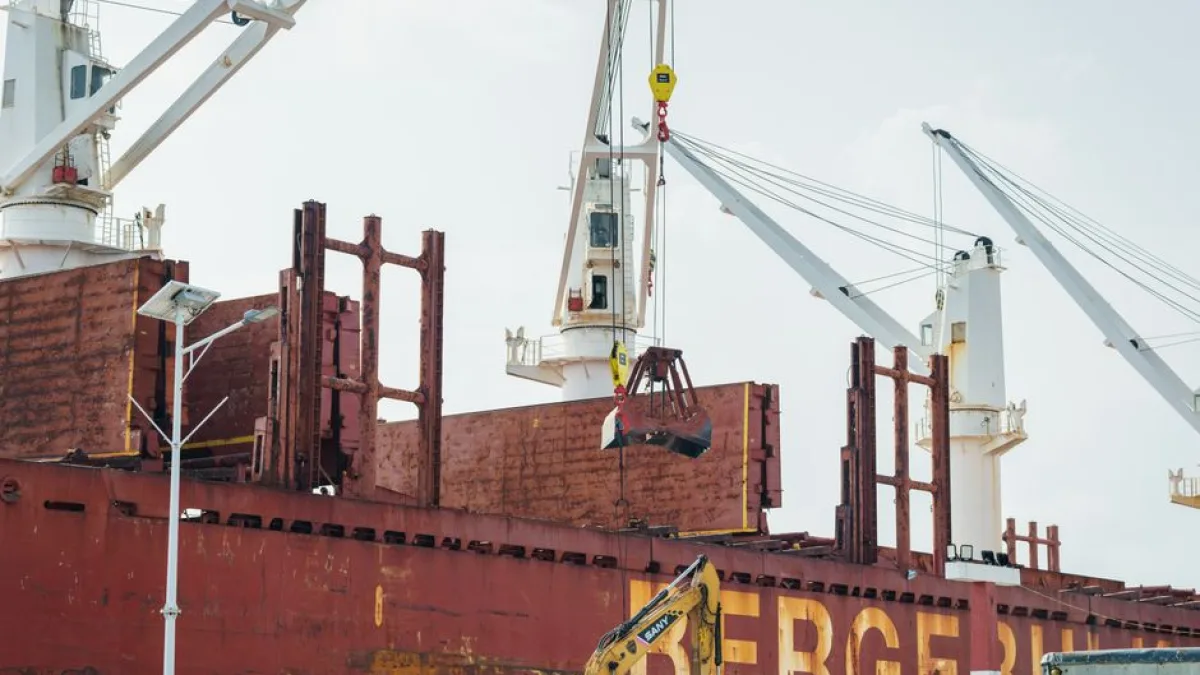
Global trade policies fluctuate rapidly, often leaving forwarders struggling to apply the correct tariff codes to sensitive cargo. Maintaining an updated database of commodity codes is essential for accurate duty calculations and preventing accidental overpayment or regulatory violations during transit.
- Automated classification tools: These intelligent systems categorize goods based on precise descriptions, minimizing the risk of misclassification that often leads to severe financial penalties or shipment seizures by authorities.
- Tariff alert systems: Receive instant notifications regarding changes to import taxes or trade agreements, allowing you to inform clients immediately and adjust shipping strategies to avoid sudden costs.
- Historical data tracking: Monitoring previous classification decisions helps forwarders maintain consistency across similar shipments, ensuring that duty calculations remain accurate and predictable for repeat clients and long-term contracts.
- Integration with authorities: Direct connectivity to customs portals enables automatic validation of tariff codes, ensuring that your declarations meet the latest requirements before the cargo reaches the port.
Constant monitoring of tariff structures is the difference between a profitable operation and one plagued by unexpected expenses. When your software handles the heavy lifting of classification, you gain the ability to offer clients precise duty estimates. This level of transparency builds long-term relationships while protecting your bottom line from the risks associated with incorrect tax filings in foreign markets.
Enhancing Supply Chain Security

Securing the supply chain involves more than just physical monitoring; it requires rigorous data security and verified partner vetting. Forwarders must ensure that every link in their logistics chain adheres to international security protocols to prevent illicit cargo entry.
- Partner verification tools: Use dedicated platforms to confirm the compliance status of carriers and suppliers, ensuring that every party involved in the move maintains high security standards.
- Encrypted communication channels: Protect sensitive shipping information from cyber threats by using secure data exchanges that keep client details private throughout the entire logistics life cycle process.
- Audit trail transparency: Maintain a detailed chronological record of every touchpoint in the supply chain, which provides the necessary proof of custody for customs officials during inspection.
- Risk assessment modules: Proactively identify potential security vulnerabilities in your shipping routes, allowing you to adjust plans before cargo becomes exposed to theft or unauthorized customs interference.
Robust security measures serve as your primary defense against supply chain disruptions and legal liabilities. By documenting every movement and validating your partners through secure digital portals, you ensure that cargo remains safe and compliant. This proactive approach to risk management not only fulfills regulatory obligations but also reassures clients that their goods are handled with the highest level of professional integrity.
The Role of Automated Compliance Reporting

Effective reporting is essential for demonstrating compliance to customs authorities during annual performance reviews. Forwarders who leverage automated analytics can transform raw shipping data into actionable insights, providing clear evidence of regulatory adherence while identifying opportunities for operational process improvements.
- Customizable dashboard views: Create visual reports that highlight key compliance metrics, allowing management to monitor performance and identify potential bottlenecks in the customs clearance cycle very quickly.
- Automated periodic reporting: Generate mandatory documentation for government agencies with a single click, ensuring that all compliance obligations are met consistently and within strict legal timeframes.
- Data validation checks: Run automated scans on completed shipments to verify that all reporting fields were populated correctly, preventing small errors from turning into significant compliance failures later.
- Trend analysis capabilities: Identify recurring issues within your customs processes, such as frequent delays at a specific port, to implement corrective actions that enhance overall shipping efficiency.
Leveraging data-driven insights ensures that your freight forwarding business remains resilient against regulatory pressure. These sophisticated reporting tools remove the guesswork from compliance, providing you with a clear roadmap for operational excellence. By keeping detailed records accessible and organized, you transform regulatory hurdles into competitive advantages that showcase your commitment to quality, efficiency, and full transparency within the global shipping marketplace.
Conclusion

Maintaining high standards of customs compliance is the foundation of a successful freight forwarding operation in today complex market. By integrating advanced software, automating documentation, and focusing on data accuracy, forwarders can confidently navigate international borders. Prioritizing these digital strategies allows you to reduce operational risks, satisfy government requirements, and provide superior service to your clients. Start optimizing your customs workflows with MakeCargo today.