Mastering Customs Compliance: A Freight Forwarders Guide
Tuesday, July 21 2026
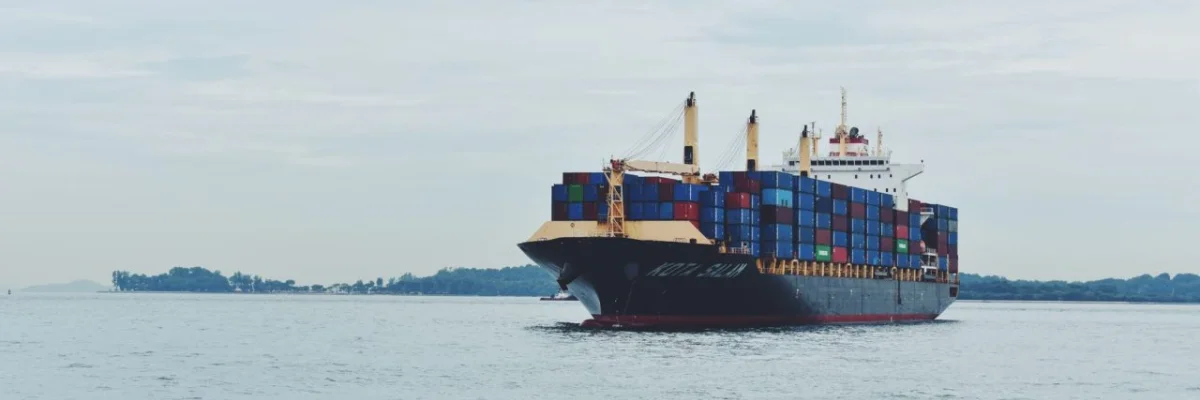
Navigating the complex landscape of international trade requires more than just logistical expertise. Freight forwarders must serve as the first line of defense against customs non-compliance, ensuring that every shipment adheres to the regulatory standards of the importing and exporting nations. With global trade regulations evolving at a rapid pace, the cost of errors in documentation or classification can be severe, leading to hefty fines, shipment delays, and loss of business reputation. By implementing automated processes and staying informed about changing trade policies, forwarders can secure their operations, improve efficiency, and provide superior service to clients in an increasingly interconnected global marketplace.
The Importance of Accurate Classification

Properly classifying goods using the Harmonized System codes is the foundational step for any customs entry. Incorrect codes trigger audits, leading to inaccurate duty payments and significant delays that ripple through the entire supply chain and damage your professional reputation.
- Correct HS Codes: Ensuring every product is accurately mapped to its specific Harmonized System code is critical for determining the precise duty rates and avoiding expensive penalty fees.
- Avoid Regulatory Penalties: Precise classification prevents flags from customs authorities, which reduces the likelihood of inspections that cause costly downtime for your clients and your freight operations.
- Data Driven Accuracy: Utilizing automated digital tools helps maintain a consistent database of product codes, reducing manual errors that occur during high volume periods of intense international shipping.
- Global Trade Compliance: Understanding the local requirements for classification in different markets ensures that your documentation remains valid across international borders and avoids unexpected shipment rejection by officials.
Precision in classification is not merely an administrative task but a strategic necessity for modern logistics providers. When you maintain a high level of accuracy, you minimize the risk of audits and create a smoother path for goods to move through customs checkpoints. Investing time in perfecting these processes now will save you from significant operational headaches and long-term financial liabilities later.
Digital Documentation and Automated Filing

Moving away from paper based processes to digital document management allows freight forwarders to store, retrieve, and submit customs filings with unprecedented speed. This transition reduces physical handling errors and ensures that all compliance information is centralized and readily accessible.
- Centralized Digital Records: Maintaining all customs documentation in a secure cloud environment makes it easier to track shipments and provides an instant audit trail for government compliance checks.
- Reduced Human Error: Automating the transfer of data from shipping documents into customs forms eliminates the risks associated with manual re-entry and provides higher data integrity across systems.
- Faster Submission Times: Electronic filing systems facilitate instant communication with customs portals, significantly decreasing the wait time for release notifications and keeping your shipments moving on schedule.
- Enhanced Data Security: Cloud based software platforms ensure that sensitive trade information is protected with advanced encryption, keeping client data safe from unauthorized access and potential digital threats.
Digital transformation is the most effective way to modernize your compliance strategy and stay competitive. By adopting robust software solutions, you allow your team to spend less time on tedious paperwork and more time on high value tasks. As global trade standards continue to digitize, your early adoption of these technologies ensures you remain a leader in the fast paced logistics sector.
Managing Evolving Trade Regulations

International trade laws are constantly shifting due to changing political climates and economic agreements. Freight forwarders must actively monitor these changes to ensure that their standard operating procedures remain aligned with the latest legal requirements and regional trade policies.
- Regulatory Update Tracking: Keeping a dedicated team or using automated alerts for policy changes ensures that your business model evolves in real time with global trade updates.
- Policy Impact Analysis: Regularly assessing how new trade policies affect specific shipping lanes allows you to offer proactive advice to clients about potential cost or route changes.
- Proactive Client Communication: Informing your clients about upcoming regulation changes builds trust and demonstrates that your company is dedicated to protecting their interests throughout the shipping process.
- Dynamic Compliance Frameworks: Designing flexible compliance frameworks within your software allows for quick adjustments when new requirements or documentation standards are introduced by international or local trade authorities.
Staying ahead of regulatory change is what separates successful forwarders from those constantly reacting to problems. When you anticipate shifts in the trade landscape, you can adjust your operations before these changes create bottlenecks. This proactive stance protects your clients from sudden disruptions and cements your status as a reliable partner capable of navigating any complex geopolitical environment or trade challenge.
Building Strong Customs Partnerships

Cultivating positive relationships with customs officials and local port authorities is an often overlooked aspect of compliance. A professional rapport can assist in clarifying gray areas in regulations and streamlining the overall clearance process for your high priority shipments.
- Transparent Information Sharing: Being honest and transparent with customs officials when errors are discovered helps build a long term reputation of integrity, which can ease future interactions.
- Local Expert Engagement: Hiring or consulting with local experts in specific regions provides deep insights into nuances that may not be apparent in standard international trade guidebooks.
- Clear Communication Channels: Establishing direct lines of contact with port authorities ensures that you receive timely updates regarding local operational delays or sudden changes in entry requirements.
- Professionalism and Integrity: Consistently high standards in all your interactions ensure that your firm is viewed as a responsible entity, which often leads to smoother processing during clearance.
Strong relationships act as a buffer against the unpredictability of international trade. By maintaining a professional and reliable image with authorities, you can navigate complex situations with greater ease and confidence. Remember that every successful entry is an opportunity to prove your reliability, ensuring that your future shipments are handled with efficiency and care by those overseeing the border processes.
Conclusion

Mastering customs compliance is a continuous journey that requires a blend of technology, expertise, and strong professional relationships. By prioritizing accurate classification, digital efficiency, and proactive regulatory management, freight forwarders can effectively navigate the challenges of the modern supply chain. Start optimizing your customs workflow today to minimize risks, reduce operational costs, and deliver superior logistics results for your global shipping clients.