Mastering Customs Compliance: A Freight Forwarders Guide to Avoiding Penalties
Thursday, July 23 2026
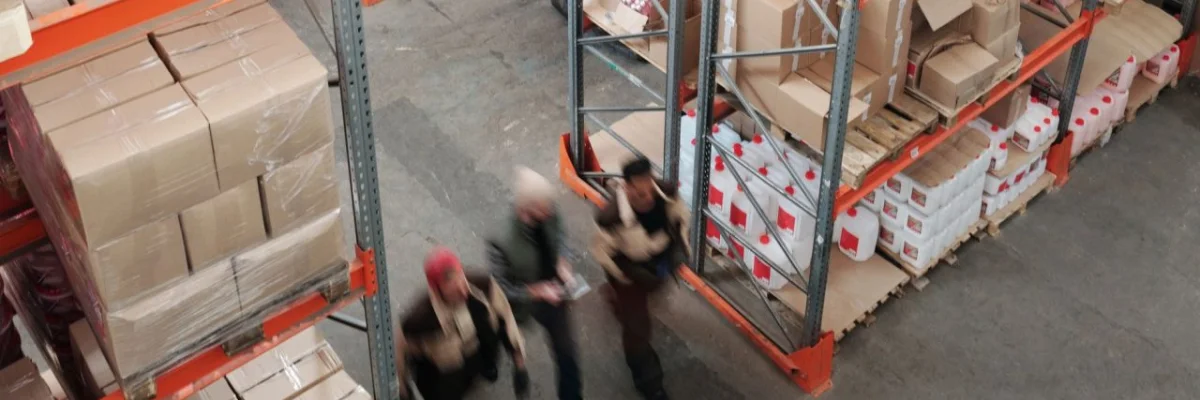
Navigating the complex landscape of international trade regulations requires constant vigilance and precision from every freight forwarding professional. As global supply chains face increasing scrutiny, the ability to maintain rigorous customs compliance is no longer optional but a fundamental operational necessity. Failing to adhere to local and international import regulations can result in costly delays, severe financial penalties, and long term damage to your professional reputation with global partners. By leveraging modern technology and adopting a proactive approach to documentation, freight forwarders can transform compliance from a burdensome administrative hurdle into a significant competitive advantage that protects clients and ensures smooth cross border operations.
Understanding Regulatory Documentation Standards
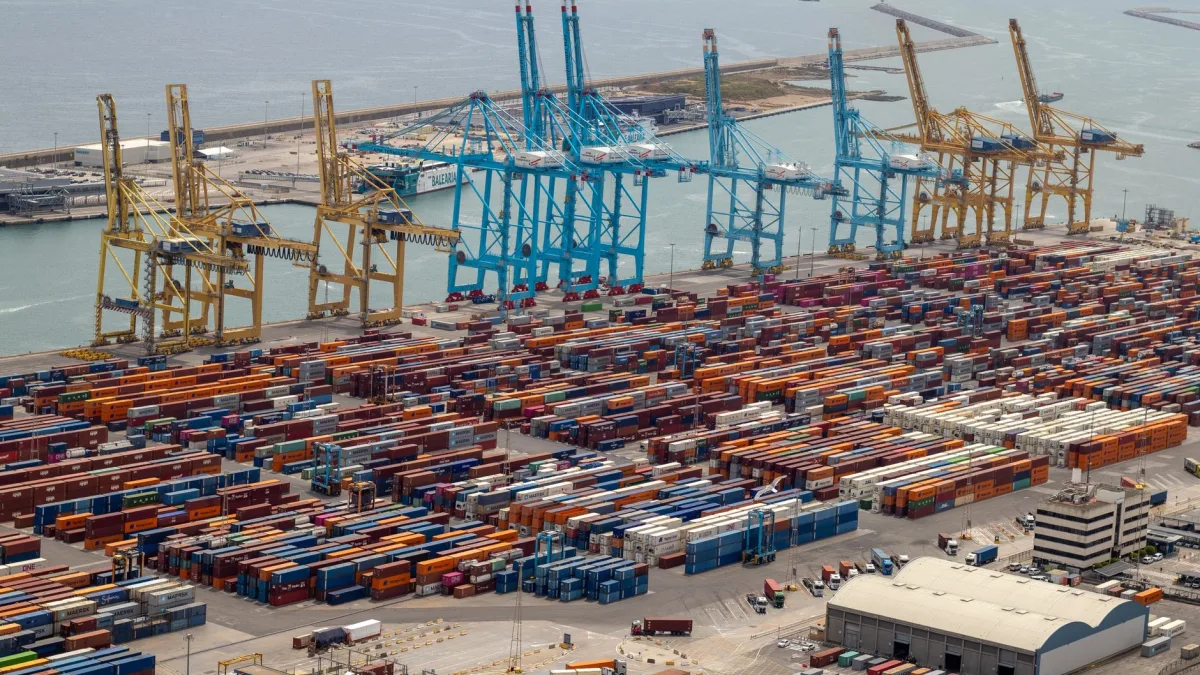
Accurate documentation forms the backbone of global customs compliance, serving as the legal proof of intent and cargo classification for authorities. Forwarders must ensure that every bill of lading and commercial invoice aligns perfectly with local requirements to avoid issues.
- Automated Data Validation: Digital tools now allow forwarders to automatically verify data accuracy against customs databases before submission, significantly reducing human errors that lead to costly clearance delays during shipping.
- Standardized Filing Processes: Implementing uniform document management protocols across your organization ensures that every shipment meets international standards and provides a clear audit trail for any potential future investigations.
- Correct HS Classification: Assigning the correct Harmonized System codes is critical for duty calculations, as improper classification often results in immediate audits, fines, or seizure of cargo by authorities.
- Clearance Delay Prevention: By maintaining high quality digital records and real time communication with customs brokers, forwarders can expedite the clearance process and minimize the risk of storage fees.
- Digital Audit Readiness: Maintaining a structured digital archive of all past compliance documentation allows your company to respond swiftly and confidently whenever customs authorities perform random or scheduled audits.
Precision in your documentation is the primary defense against unforeseen regulatory friction during the transit process. By prioritizing digital accuracy and standardized workflows, you eliminate the guesswork that often leads to port congestion. Establishing a robust system for document verification ensures that every shipment moves through customs checkpoints without interruption, ultimately providing your clients with the reliable and efficient service they demand today.
Leveraging Technology for Regulatory Compliance

Software platforms have revolutionized how freight forwarders manage complex regulatory requirements by providing centralized visibility and automated alerts. These digital tools serve as a single source of truth for global shipping compliance across many different jurisdictions and regions.
- Integrated Customs Gateways: Cloud based freight platforms provide direct connections to customs portals, enabling seamless data transmission and instant feedback regarding the approval status of your submitted shipping entries.
- Real Time Compliance Alerts: Automated systems monitor global trade news and regulatory changes, sending immediate updates to your team so you can adjust your logistics strategy before shipping begins.
- Centralized Shipment Dashboards: Having a unified view of all active shipments allows project managers to identify potential compliance gaps and address them immediately before they escalate into larger problems.
- Data Security Protocols: Modern software employs advanced encryption to protect sensitive client information while ensuring that all regulatory data remains compliant with current international cybersecurity and privacy standards.
- Automated Duty Calculations: By using built in calculators that reference current trade agreements, forwarders can provide clients with accurate cost estimates while maintaining full transparency regarding tax obligations.
Adopting sophisticated logistics software is essential for maintaining compliance in an era of rapid trade volatility. When you integrate these digital capabilities into your workflow, you move away from manual entry and toward a proactive management style that drastically reduces operational risk. This technology allows you to focus on strategic growth while the software handles the intricate details of global regulation.
Mitigating Risks in Global Logistics
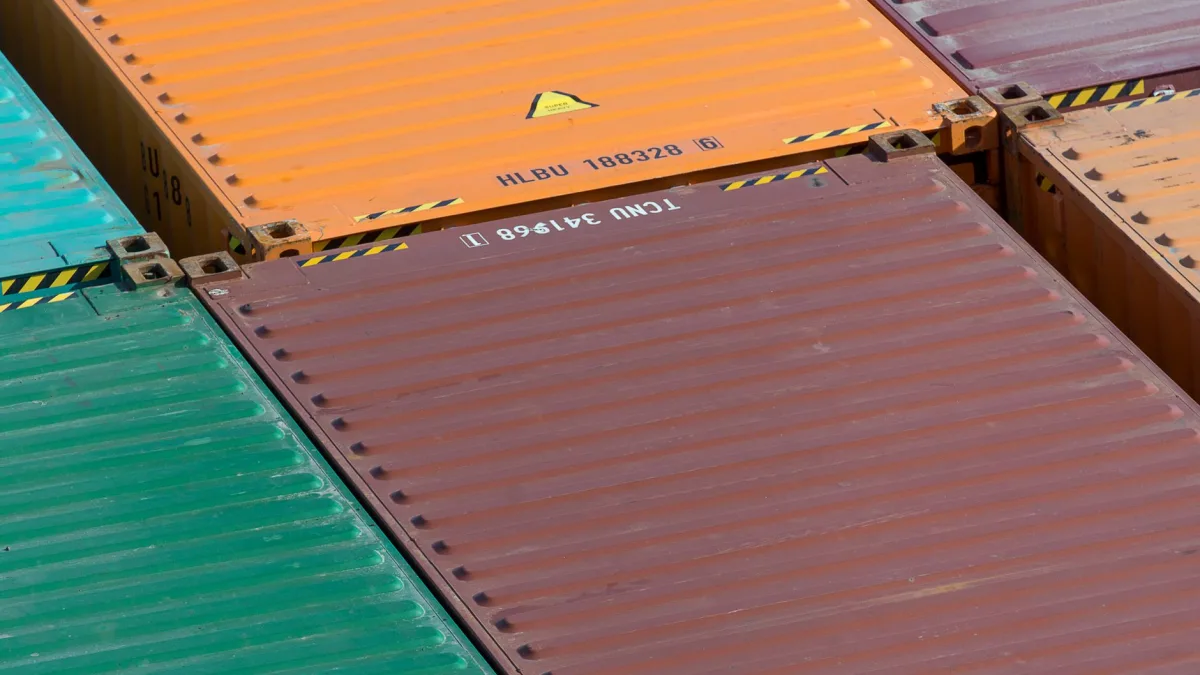
Risk management involves identifying potential threats to your supply chain compliance before they manifest as financial losses or cargo holds. A structured approach to assessing partner reliability and cargo validity is vital for long term business sustainability and success.
- Partner Vetting Procedures: Regularly auditing your vendors and overseas partners ensures that every link in the supply chain adheres to the same high standards of transparency and legal compliance.
- Incoterms Clarity Protocols: Clearly defining Incoterms in every contract prevents disputes over responsibility, ensuring that both buyer and seller understand their specific legal obligations at every transit stage.
- Proactive Cargo Screening: Implementing internal screening measures for hazardous materials or prohibited goods ensures that you never inadvertently transport items that violate international maritime or aviation safety laws.
- Contingency Planning Strategies: Developing specific protocols for handling cargo holds helps your team react quickly when inspections occur, keeping clients informed and minimizing the impact of these unavoidable events.
- Insurance Coverage Optimization: Adequate insurance coverage provides a financial safety net against potential compliance related fines, ensuring that your company remains solvent even when unexpected legal complications arise.
Risk mitigation is not just about avoiding problems but about creating a resilient framework that withstands the pressures of international trade. By systematically evaluating your partners and establishing clear contractual boundaries, you provide a layer of security that clients deeply value. This proactive stance on risk builds trust and reinforces your reputation as a forwarder who prioritizes stability and long term operational integrity.
Building a Culture of Continuous Training

Continuous education keeps your team informed about the ever changing global trade environment and ensures your staff remains prepared for new challenges. Training is a critical investment that directly impacts your compliance success rate and your overall service quality.
- Regular Regulatory Workshops: Hosting quarterly training sessions keeps your staff updated on new import or export laws, ensuring they remain competent in navigating the latest regional and international shipping regulations.
- Certification Support Programs: Providing financial assistance or time off for team members to earn professional customs certifications improves the overall expertise of your logistics staff and firm.
- Internal Compliance Audits: Conducting regular mock audits within your departments teaches employees how to identify and correct mistakes, fostering a culture of accountability and high attention to detail.
- Interactive E learning Modules: Utilizing modern digital training tools allows employees to learn at their own pace, covering everything from documentation standards to complex international trade compliance laws.
- Cross Departmental Knowledge Sharing: Encouraging communication between your sales and operations teams ensures that compliance considerations are integrated into the initial quoting process rather than added at the end.
Investing in your workforce is the most effective way to ensure your company stays ahead of regulatory changes. An educated team acts as a human firewall against compliance errors, catching issues long before they reach customs officials. When every member of your organization understands the critical nature of compliance, you create a culture of excellence that drives better results for your shipping clients.
Conclusion
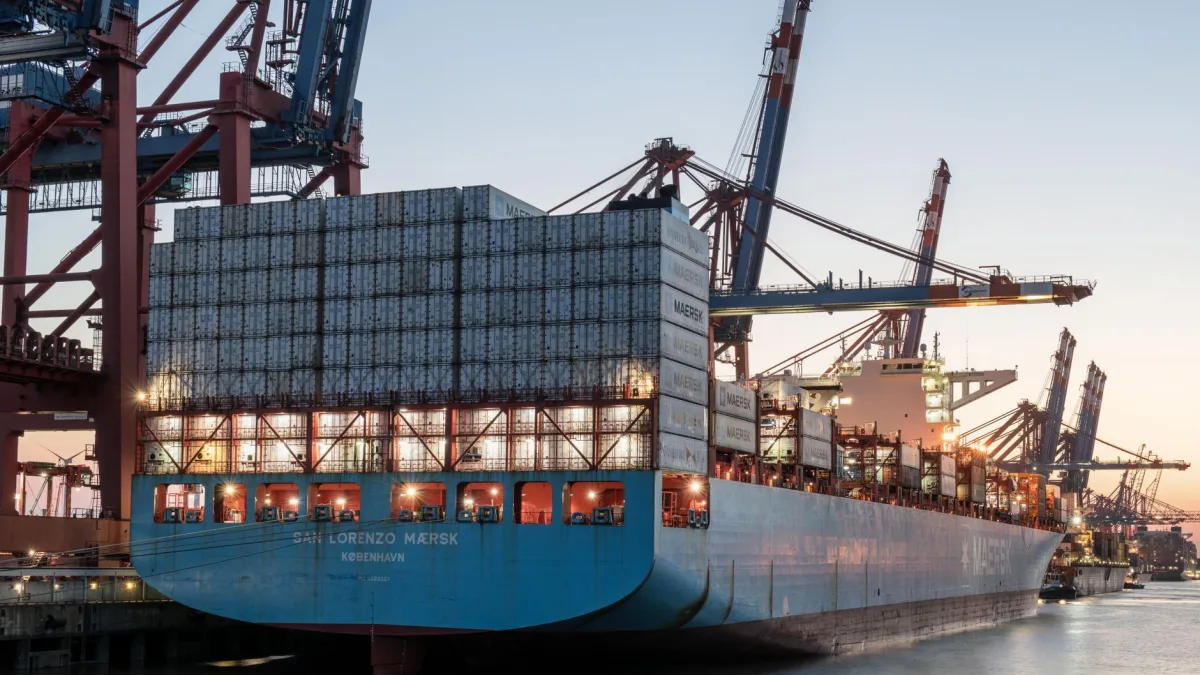
Consistent compliance is the core foundation upon which successful freight forwarding operations are built. By embracing digital technology, prioritizing staff education, and implementing robust risk management strategies, you protect your clients from unnecessary delays and penalties. Focus on these pillars to ensure your logistics business remains agile and competitive. Start optimizing your customs processes today to secure your future in the global trade industry.