Mastering Customs Compliance: A Guide for Freight Forwarders
Friday, July 24 2026
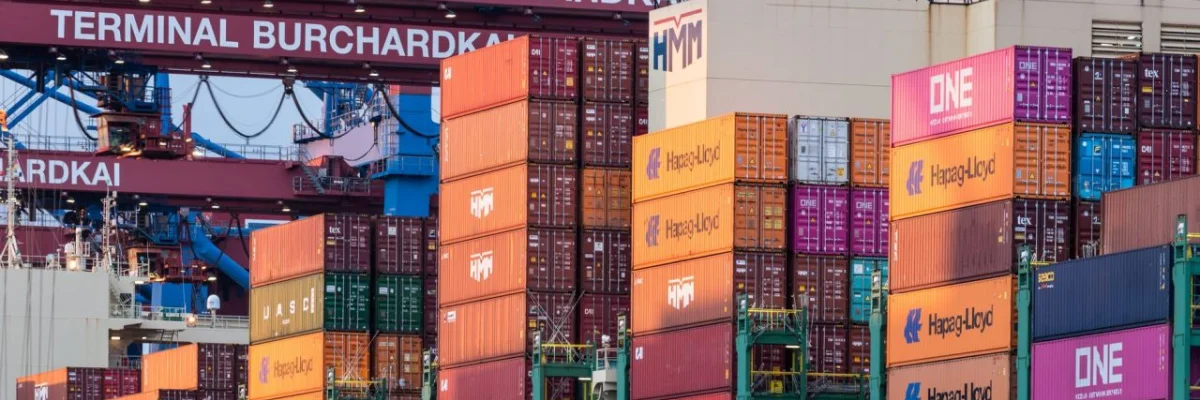
Navigating the complex landscape of international trade requires freight forwarders to act as both logistical experts and compliance gatekeepers. As global regulations tighten, the margin for error in documentation and tariff classification continues to shrink, placing significant pressure on operations teams. Achieving seamless cross-border movement demands a proactive approach to customs formalities, ensuring that every shipment adheres to evolving local and international laws. By leveraging digital transformation tools and maintaining rigorous audit trails, forwarders can mitigate risks, avoid costly delays at the border, and build lasting trust with clients who rely on them to keep global supply chains moving efficiently every single day.
The Importance of Accurate Documentation
Precise documentation acts as the foundation of every successful customs clearance process. When paperwork is incomplete or riddled with errors, shipments face mandatory inspections, severe penalties, and extended storage fees that damage both your profitability and your reputation with key shipping partners.
- Proactive Document Review: Establish a standardized pre-clearance checklist to verify all invoices, packing lists, and certificates of origin before submitting data to customs authorities for final processing.
- Digital Data Verification: Utilize cloud-based validation tools to catch discrepancies in weights, values, or HS codes before files are transmitted to national customs portals or brokers.
- Standardized Filing Processes: Develop internal templates that ensure all essential shipment data is captured consistently, reducing the risk of human error during high-volume periods of activity.
- Audit Trail Maintenance: Store every version of your customs documentation in a centralized digital archive to provide clear proof of compliance during any future government inquiries.
- Collaborative Document Sharing: Enable real-time access for exporters and importers to upload their own documents, ensuring that all parties maintain alignment throughout the entire shipping lifecycle.
By implementing these robust documentation protocols, your team can significantly reduce the frequency of customs holds. A disciplined approach to data management transforms compliance from a reactive burden into a competitive advantage. When your documentation is consistently accurate, customs officials process your freight faster, allowing you to maintain reliable transit times that ultimately enhance client satisfaction and strengthen your firm's operational stability.
Understanding Global Tariff Classifications

Harmonized System codes represent the universal language of global trade, yet their application remains a common source of friction. Selecting the incorrect classification can lead to underpaid duties, hefty fines, or the seizure of entire cargo shipments at ports.
- Regular HS Audits: Conduct routine internal reviews of your classification database to ensure that current codes align with the most recent updates from international customs organizations.
- Detailed Product Profiles: Build comprehensive digital profiles for your clients that include technical specifications for every recurring product to simplify the ongoing classification verification process.
- Expert Classification Tools: Integrate specialized software that offers real-time lookup and suggestion features based on commodity descriptions to improve the speed of your customs entries.
- Regulatory Change Alerts: Subscribe to industry updates that notify your team immediately when tariff classifications change, allowing you to adjust your internal systems before issues arise.
- Client Education Initiatives: Provide your shippers with clear guidance on the importance of accurate product descriptions, as this directly informs the accuracy of the final classification.
Maintaining a precise classification strategy is critical for avoiding unwanted surprises during the clearance phase. By investing time in training your staff on the complexities of tariff codes, you effectively reduce the risk of financial penalties. This proactive mindset protects your bottom line and ensures that your clients never face unexpected tax burdens due to classification errors caused by poor internal oversight.
Leveraging Technology for Compliance

Modern freight forwarding software provides the visibility needed to manage compliance across diverse borders. Integrating your customs platform with existing logistics systems automates repetitive tasks and minimizes the manual data entry points where most critical errors typically occur today.
- Seamless Platform Integration: Connect your logistics software with customs brokerage systems to ensure that data flows automatically without requiring manual re-entry or repetitive verification steps.
- Automated Validation Rules: Apply custom digital filters to your workflows that automatically flag incomplete fields or suspicious values before they are sent to the authorities.
- Cloud Based Collaboration: Use centralized platforms to share customs updates with all stakeholders in real time, ensuring that everyone remains informed of the current shipment status.
- Real Time Tracking: Monitor every stage of the customs process through a digital dashboard that alerts your team immediately if a shipment enters a secondary inspection.
- Scalable Compliance Workflows: Utilize software features that adapt to your growing volume, ensuring that your compliance standards remain high as your company handles more international shipments.
Digital adoption is no longer optional for forwarders operating in today's fast-paced environment. By automating compliance tasks, you empower your team to focus on resolving complex exceptions rather than managing simple paperwork. This technological pivot not only streamlines your daily operations but also provides the data-driven insights necessary to optimize routes and further improve your overall customs clearance performance for every client.
Managing Customs Audit Preparedness

Audit preparedness requires a culture of transparency and meticulous record keeping throughout your organization. When you maintain a state of permanent readiness, you transform the intimidating prospect of a government audit into a routine review of your company's high standards.
- Centralized Storage Systems: Keep all communication, financial records, and customs declarations in a searchable digital archive that allows for instant retrieval when authorities request specific documents.
- Annual Compliance Reviews: Perform a yearly self-assessment of your processes to identify any gaps in your documentation, filing habits, or communication strategies with customs brokers worldwide.
- Clear Chain Ownership: Assign specific team members the responsibility for tracking customs compliance metrics, ensuring that accountability is clear within your firm for every handled shipment.
- Staff Training Programs: Organize regular workshops that update your employees on the latest customs regulations, local port requirements, and internal standard operating procedures for various regions.
- Transparent Reporting Practices: Generate internal audit reports that highlight your success rates and document any past errors, using them as learning opportunities for the entire staff.
Developing a robust audit strategy demonstrates your professionalism to both regulators and your long-term partners. When you show that your house is in order, you minimize the likelihood of invasive audits and shorten the duration of any required checks. This commitment to compliance builds a reputation for reliability that will attract high-quality clients looking for forwarders who truly understand global regulations.
Conclusion
Mastering the intricacies of customs and compliance is essential for any modern freight forwarder aiming for sustained growth. By focusing on accurate documentation, precise tariff classification, digital integration, and audit readiness, your team can minimize risks and improve service levels. Embrace these strategies to transform your customs operations into a core strength, ensuring your business remains competitive and compliant within the evolving global trade landscape.