Mastering Customs Compliance: A Strategic Guide for Freight Forwarders
Saturday, August 1 2026
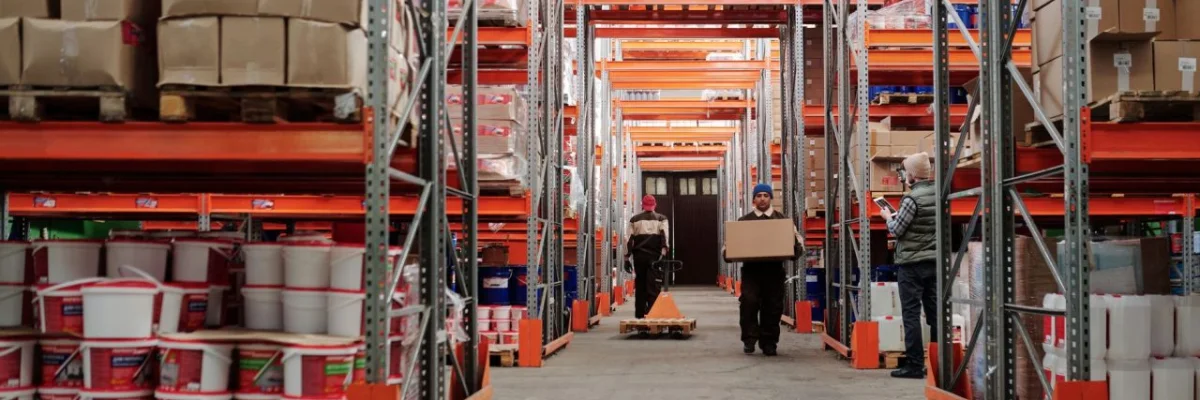
Navigating the complex world of international trade requires more than just logistical expertise. For modern freight forwarders, customs compliance serves as the backbone of every successful shipment. As global regulations tighten and digital requirements evolve, maintaining a proactive stance on compliance is essential to avoid costly delays, fines, and reputational damage. By integrating advanced software solutions and maintaining transparent documentation practices, logistics providers can turn regulatory hurdles into competitive advantages. This article explores critical strategies for ensuring your operations remain compliant while fostering seamless global trade flows for your clients in an increasingly interconnected and heavily regulated marketplace.
The Digital Shift in Documentation

Transitioning from paper based processes to digital platforms is now a fundamental requirement for customs accuracy. Automated systems reduce manual entry errors, ensure data consistency across borders, and facilitate real time communication with customs authorities to expedite clearance times significantly.
- Automated Data Validation: Digital tools check customs entries against global regulatory databases in real time to prevent errors before submission, effectively reducing the risk of costly administrative penalties and shipment holds.
- Standardized Electronic Records: Maintaining digital archives ensures that all necessary shipping documents are instantly accessible for audits, promoting transparency and reliability during complex customs investigations or standard authority verification procedures.
- Real Time Integration: Cloud software connects your operations directly with customs portals, allowing for seamless data transmission that eliminates the delays typically associated with traditional manual paper filing methods.
- Consistent Classification Logic: Integrated systems utilize machine learning to help classify goods using the correct Harmonized System codes, ensuring that duty calculations remain accurate across different international trade territories.
Adopting digital documentation is no longer an optional upgrade but a necessary evolution for every forwarder. By leveraging these modern tools, businesses can significantly improve their operational efficiency while minimizing the inherent risks associated with manual paperwork. As your team transitions to these platforms, the result is a more resilient supply chain that handles regulatory complexity with ease and maintains client trust throughout.
Managing Harmonized System Classifications

Correct HS code classification is the cornerstone of duty accuracy and regulatory compliance. Even minor errors in product description can lead to significant financial penalties, shipment seizures, or audits, making it vital to implement rigorous internal review processes for every declaration.
- Consistent Code Audits: Regularly scheduled audits of your classification history help identify recurring errors, allowing your team to update processes and ensure ongoing accuracy in all future customs filings.
- Cross Functional Collaboration: Encourage open communication between logistics teams and clients to verify product specifications, ensuring that every declared item reflects its true nature for precise duty assessments.
- Centralized Knowledge Bases: Maintain a company wide repository for classification guidance, which provides staff with easy access to updated tariff regulations and internal documentation standards for various commodities.
- Continuous Staff Training: Invest in regular workshops for employees to stay informed about changes in trade regulations, which helps your team handle complex classifications with confidence and professional expertise.
Maintaining high standards for HS classification requires both vigilance and a commitment to continuous improvement. By prioritizing accuracy and investing in the right knowledge resources, your firm can effectively mitigate risks and protect clients from unexpected costs. This proactive approach to classification ensures that your customs operations remain smooth and predictable, ultimately reinforcing your position as a reliable partner in the industry.
Navigating Evolving Trade Regulations

Global trade policies shift rapidly due to geopolitical changes and new economic agreements. Staying ahead of these adjustments requires constant vigilance and a robust framework for monitoring updates from regulatory bodies to keep your supply chain operations running smoothly.
- Proactive Policy Monitoring: Utilize automated alert services that notify your team of regulatory shifts, ensuring that your operational procedures are adjusted well before new policies take effect globally.
- Client Advisory Services: Proactively communicate potential regulatory impacts to your clients, which positions your company as a trusted advisor and helps them prepare for unavoidable supply chain disruptions.
- Dynamic Workflow Adjustments: Build operational flexibility into your software workflows, allowing for quick changes in documentation requirements or filing procedures as new government regulations are published and implemented.
- Network Compliance Sharing: Leverage industry partnerships and trade associations to share intelligence on regional compliance trends, which helps your firm navigate international markets with greater local insight.
Responding to shifting regulations is a hallmark of an expert freight forwarder. Instead of reacting to changes as they happen, forwarders should anticipate these shifts by cultivating a culture of learning and agility. By staying informed and maintaining a flexible operational stance, you ensure that your business remains compliant regardless of external economic pressures or sudden modifications in international trade laws globally.
Building Strong Customs Relationships
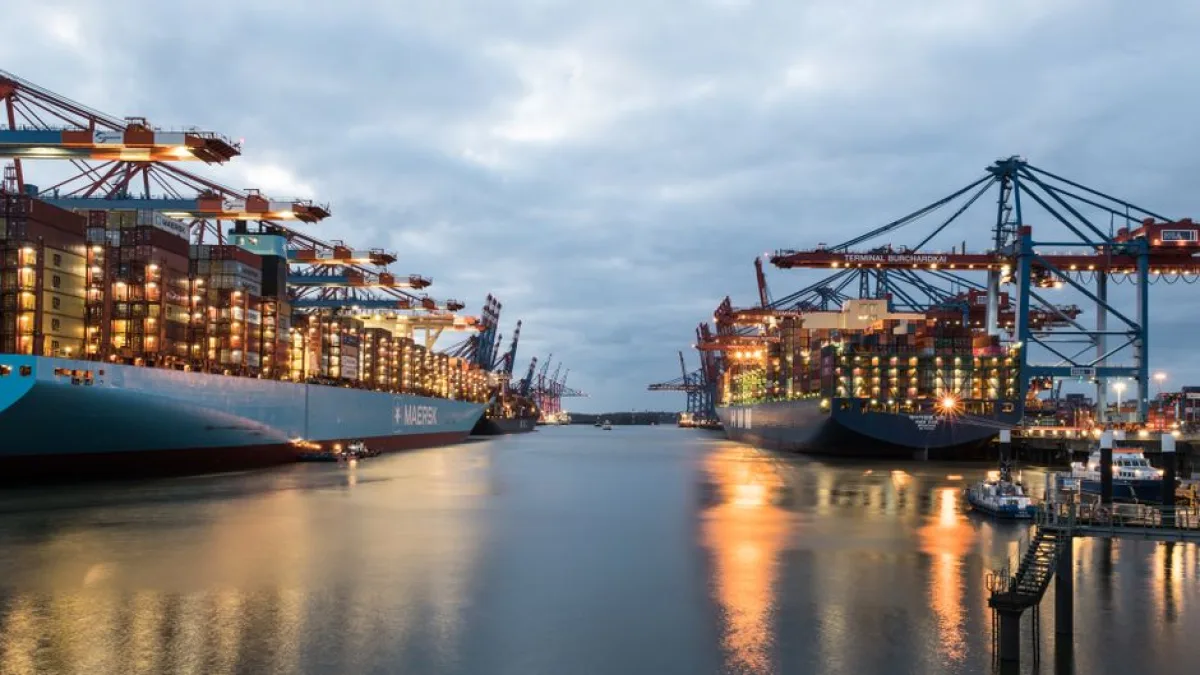
Building professional relationships with customs brokers and government officials creates a foundation for smoother logistics. Open dialogue and transparent business practices foster a culture of mutual respect, which proves invaluable when resolving complex shipment issues or urgent border clearance concerns.
- Transparent Information Sharing: Maintain clear communication channels with authorities, as transparency builds long term trust that facilitates faster problem resolution during unexpected customs inspections or regulatory documentation disputes.
- Broker Synergy Programs: Coordinate closely with your customs brokers to align documentation standards, which streamlines the flow of information and prevents misunderstandings during high volume shipping periods throughout year.
- Responsive Audit Preparation: Demonstrate a commitment to compliance by maintaining highly organized files, which allows for quick and efficient responses to any government requests for audits or information.
- Professionalism and Integrity: Uphold high ethical standards in every transaction, ensuring that your firm is viewed by customs authorities as a diligent and compliant partner in trade.
Strong relationships with customs officials and brokers are essential for long term operational success. By focusing on transparency and consistent reliability, you create an environment where cooperation replaces confrontation. These efforts not only simplify daily operations but also provide a safety net when challenges arise. Maintaining these professional ties is one of the most effective ways to ensure consistent compliance and business growth.
Conclusion

Successfully managing customs compliance in modern freight forwarding requires a blend of technology, expertise, and strong professional relationships. By automating documentation, prioritizing classification accuracy, staying informed on global policy shifts, and engaging with trade authorities, your business can effectively navigate the complexities of international shipping. Focus on building resilient systems today to ensure your firm remains competitive, compliant, and ready for future growth.