Mastering Customs Compliance: A Guide for Freight Forwarders
Tuesday, August 18 2026
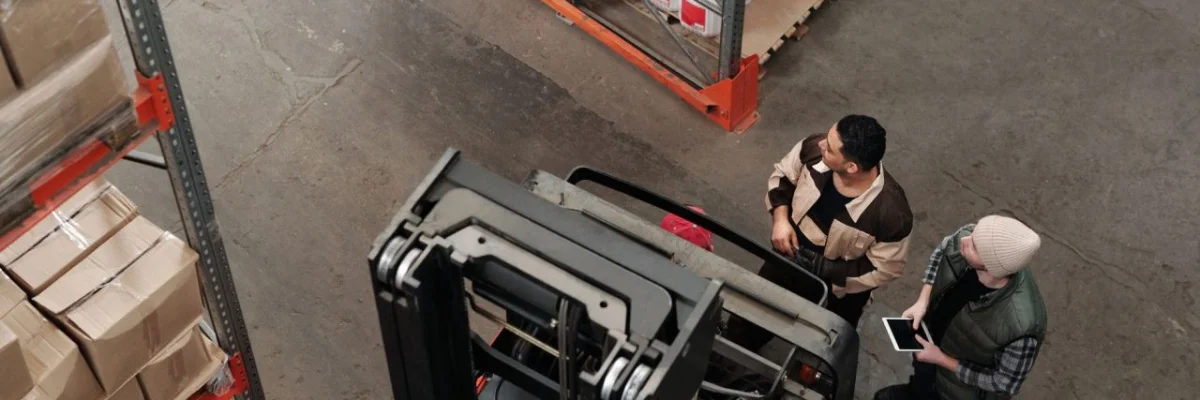
Navigating the complex landscape of international trade requires freight forwarders to maintain impeccable standards regarding customs and compliance. As global supply chains face increasing scrutiny from regulatory bodies, the cost of errors in documentation or classification can be severe for your business and clients. Staying updated on regional mandates and automated filing systems is no longer optional for growth. By leveraging digital platforms to harmonize data flows, forwarders can mitigate risks associated with fines, delays, and cargo seizures while enhancing operational transparency across the entire shipment lifecycle. Adopting a proactive stance today ensures your firm remains a trusted partner in global commerce.
Digital Documentation Precision

Modern digital platforms allow forwarders to automate the creation of essential shipping documents with extreme precision and speed. By removing manual data entry tasks, teams can focus on strategic oversight while ensuring that every digital filing meets strict international regulatory requirements.
- Automated Data Validation: Digital software checks every field for accuracy against international customs databases to prevent common human errors that typically lead to rejected entries or significant shipping delays.
- Standardized Filing Protocols: Utilizing cloud platforms ensures that all your team members follow the same standardized procedures, which creates a consistent audit trail for every single customs declaration.
- Cloud Storage Security: Securely storing your trade documentation in a centralized cloud system keeps sensitive records safe, compliant with privacy laws, and readily accessible for any regulatory audits.
- Electronic Document Syncing: Instant synchronization of trade documents between stakeholders prevents discrepancies that arise when different parties work from outdated versions of a bill of lading or invoice.
- Real Time Notifications: Automatic alerts notify your operations team immediately if a customs authority flags a document, allowing for rapid intervention before the issue impacts your client delivery.
Precision in documentation acts as the backbone of every successful trade transaction. When your company embraces automated filing, you effectively slash the time spent on administrative rework and manual verification. This shift towards digital excellence not only builds trust with customs authorities but also provides your clients with the reliability they demand in today is fast moving and highly competitive global freight market.
Tariff Classification Expertise

Correctly identifying the right Harmonized System codes remains a fundamental challenge that dictates your total tax liability. Expertise in classification prevents overpayment of duties and ensures that your cargo moves through customs checkpoints without unnecessary interventions or costly financial penalties.
- Advanced HS Coding: Utilizing sophisticated lookup tools within your software helps staff identify the most accurate HS codes for diverse products, ensuring total alignment with current global trade regulations.
- Consistent Code Audits: Regular internal reviews of your classification history identify recurring patterns of errors, allowing management to refine internal processes and improve long term compliance performance records.
- Proactive Duty Planning: Analyzing product specifications early in the logistics cycle allows your team to forecast accurate tax obligations, providing clients with transparency and helping them optimize costs.
- Risk Mitigation Strategy: A deep understanding of classification rules reduces the likelihood of intrusive cargo inspections by customs officers, which typically result in massive logistical bottlenecks and costs.
- Expert Knowledge Sharing: Building a centralized repository of classification decisions allows your entire team to learn from past successes, fostering a culture of continuous improvement and professional excellence.
Mastering the complexities of product classification is essential for maintaining a competitive edge in the freight forwarding industry. When you invest time in training and software-aided tools, you minimize the risk of misclassification penalties that often jeopardize your operational reputation. By delivering accurate tax forecasting and seamless clearance, you demonstrate significant value to your clients while keeping their supply chains moving forward efficiently.
Regulatory Change Management

Global trade policies shift frequently, often without notice, requiring forwarders to remain agile and well informed. Adapting to new mandates requires a robust internal framework that monitors international updates, ensuring your operations remain compliant with the latest governmental standards and rules.
- Monitoring Policy Updates: Dedicated software modules track changes in international trade laws, providing your operations team with immediate updates that ensure your current processes align with current requirements.
- Staff Training Programs: Implementing regular educational sessions keeps your workforce informed about shifting trade mandates, which empowers them to identify and report potential compliance issues before they escalate.
- Adaptable Workflow Design: Building flexible operational workflows allows your firm to adjust rapidly to new requirements, such as updated security declarations or environmental standards, without disrupting existing services.
- External Auditor Collaboration: Engaging with trade compliance experts helps validate your internal strategies against industry best practices, ensuring your firm stays ahead of evolving global legal requirements daily.
- Compliance Reporting Tools: Generate comprehensive reports that demonstrate your adherence to regulatory changes, providing clear evidence for both your clients and government agencies during any formal review.
Adapting your business processes to match the fast paced nature of global trade policy is vital for long term survival. When you prioritize continuous learning and flexible systems, your firm can navigate uncertainty with confidence and professional ease. This commitment to regulatory agility protects your business from sudden legal shifts while ensuring your clients receive consistent, compliant, and reliable service throughout every transaction.
Building Customs Relationships

Strong professional relationships with customs brokers and government officials provide invaluable insights that go beyond simple data. By fostering open communication and mutual respect, forwarders can often resolve complex clearance issues more quickly than those who rely solely on digital systems and rigid processes.
- Fostering Official Dialogue: Establishing a professional rapport with local customs agents helps create a smoother clearance process, as mutual trust can lead to faster resolutions during unexpected shipment inspections.
- Partnering With Brokers: Aligning your internal team with external licensed customs brokers ensures that specialized expertise is always available, especially when dealing with highly regulated or sensitive goods.
- Feedback Loop Integration: Actively seeking feedback from customs authorities allows you to identify weaknesses in your documentation processes, enabling you to improve your compliance performance over the long term.
- Conflict Resolution Skills: Developing soft skills within your operations team helps resolve disputes with port authorities diplomatically, ensuring that cargo remains moving even during periods of heavy administrative friction.
- Transparent Communication Channels: Maintaining clear lines of communication with all relevant stakeholders keeps everyone informed about potential clearance hurdles, which minimizes anxiety and improves the overall service experience.
Building a network of trusted contacts within the customs environment adds a layer of resilience to your supply chain operations. These relationships complement your digital tools by providing human insight and flexible problem solving capabilities during times of crisis. When you balance technology with strong interpersonal networking, you position your freight forwarding business as a reliable partner capable of handling any regulatory hurdle easily.
Conclusion
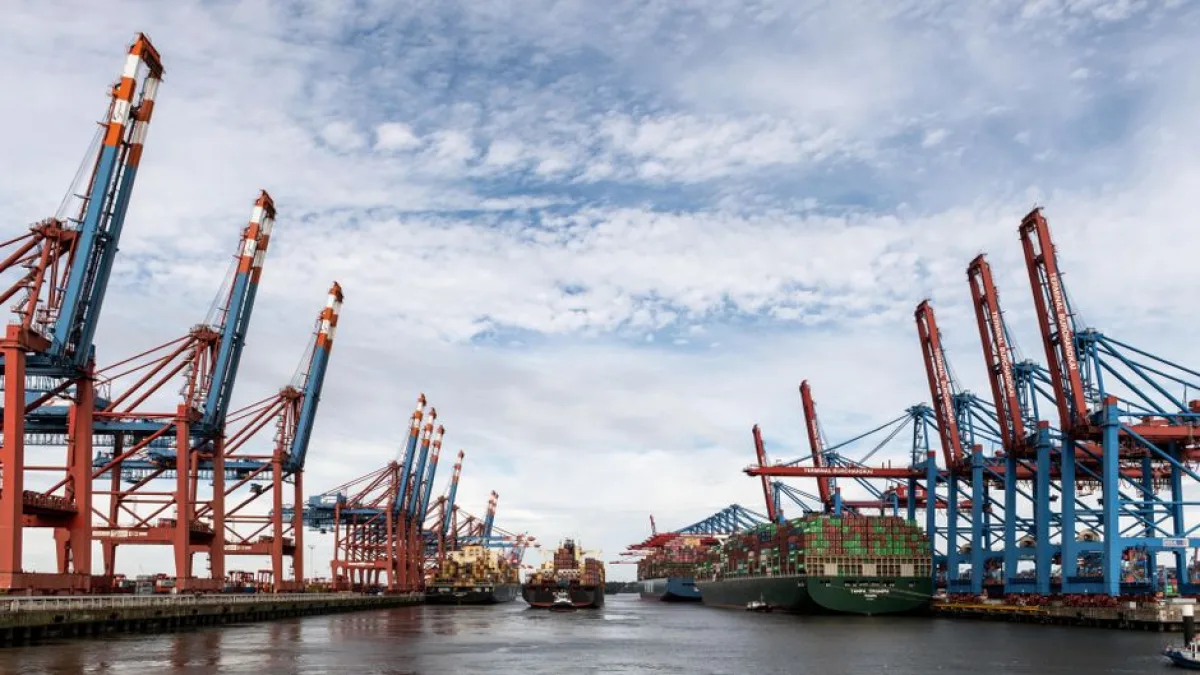
Achieving excellence in customs and compliance is a continuous journey that requires a blend of digital innovation, human expertise, and strong industry relationships. By streamlining your documentation, refining classification processes, and staying agile amidst policy changes, you protect your business and enhance service delivery. Leverage MakeCargo to integrate these best practices into your daily operations and lead your firm toward sustained long term success.