Mastering Customs Compliance: A Strategic Guide for Freight Forwarders
Wednesday, August 19 2026
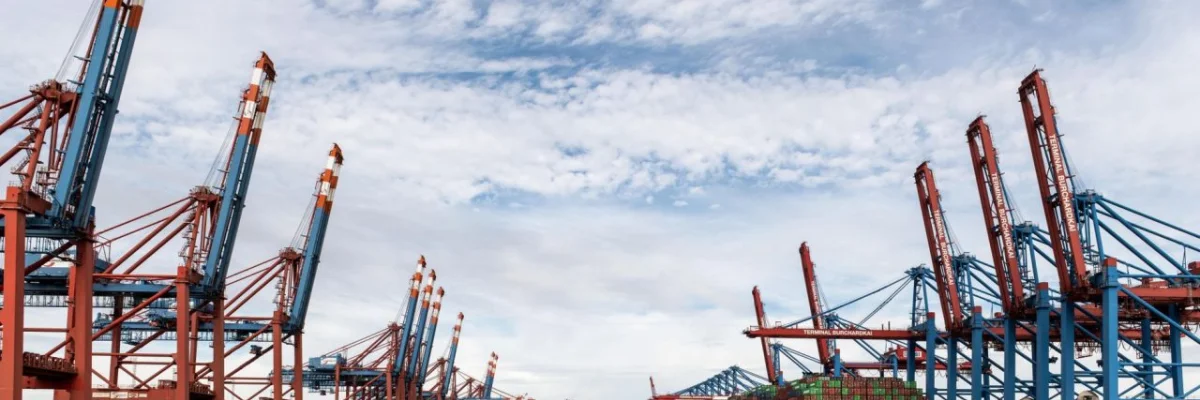
Navigating the complex world of international trade requires an unwavering commitment to customs compliance. As global supply chains face increasing scrutiny, freight forwarders must act as the first line of defense against regulatory violations. Effective compliance is not merely about avoiding penalties or shipping delays. It involves a meticulous integration of digital documentation, accurate classification, and proactive communication with customs authorities. By adopting modern software solutions, your firm can transform compliance from a burdensome administrative hurdle into a competitive advantage that builds trust with clients and ensures your cargo moves across borders without friction or unnecessary oversight.
Automated Classification Processes

Modern freight forwarding software integrates advanced classification tools that significantly reduce human error when managing complex tariff codes. By utilizing automated systems, professionals can ensure that every shipment follows the latest regulatory updates, drastically improving overall operational accuracy and efficiency.
- Real-time tariff updates: Automated systems pull live data from global customs databases to ensure your cargo classifications remain current and compliant with ever-changing international trade regulations and tariff structures.
- Reduced human error: Manual entry often leads to costly mistakes that trigger inspections or audits. Software tools minimize these risks by validating data entries against standardized global product databases.
- Integrated HS codes: Harmonized System codes are correctly assigned through intelligent software suggestions, ensuring that your documentation meets specific legal requirements for every country in your transit.
- Compliance audit trails: Every classification decision is logged in a digital format, providing your team with an unalterable history that proves due diligence during any sudden regulatory audit.
Adopting digital classification tools shifts your focus from manual data entry to strategic oversight. This transition saves hundreds of hours annually while minimizing the potential for expensive fines or seized cargo. By leveraging technology to handle the heavy lifting, your team can concentrate on providing high-level logistics consultancy, ensuring that your clients benefit from smooth operations regardless of the complexity of their shipments.
Effective Documentation Management
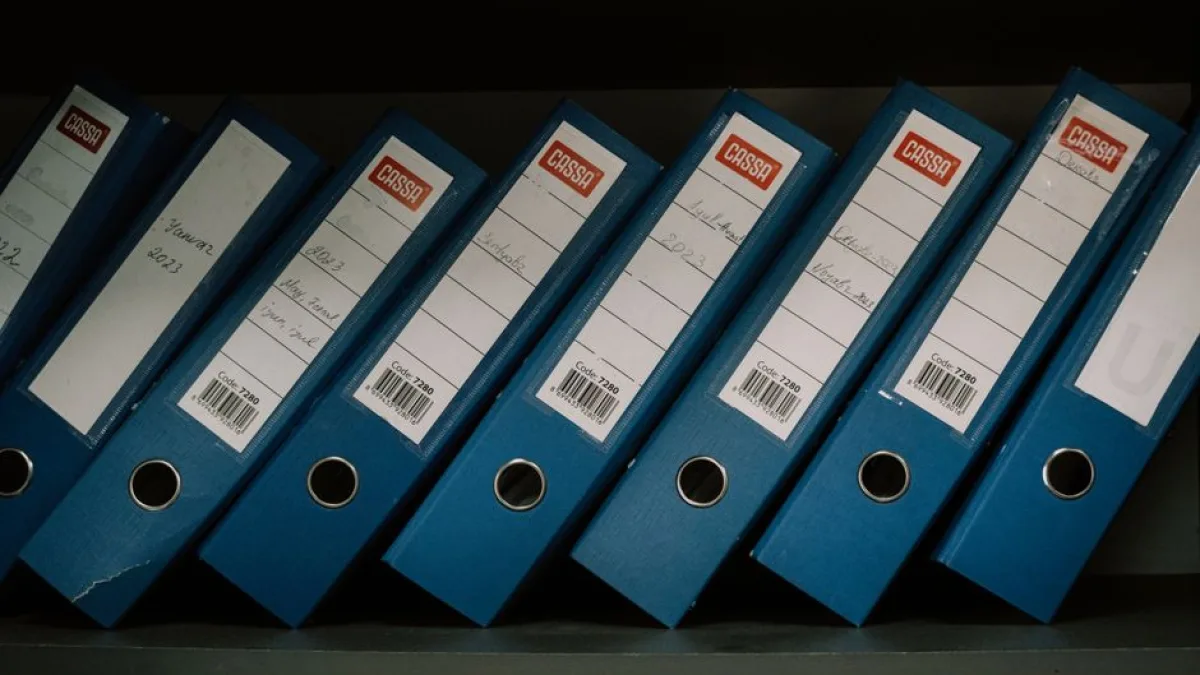
Paperwork remains the heartbeat of international trade, but digital document management is now essential for survival. Centralizing all customs paperwork into a single, cloud-based platform ensures that every stakeholder has immediate access to the necessary information for seamless border clearance procedures.
- Cloud document storage: Securely archive every commercial invoice and packing list in a centralized cloud environment that facilitates instant retrieval for customs officers during border inspections.
- Standardized digital templates: Use uniform templates across your organization to ensure that every document meets specific customs requirements, preventing rejections due to formatting or data discrepancies.
- Automated data validation: Advanced software checks for missing fields or inconsistent data within your documents before they are submitted, preventing costly delays at the port of entry.
- Encrypted file sharing: Protect sensitive client data by using encrypted portals for document exchange, maintaining high standards of privacy and professionalism in your cross-border operations.
Efficient document handling transforms your workflow by eliminating the chaos of scattered email attachments and physical filing cabinets. By centralizing your operations, your team can resolve discrepancies faster and provide transparent updates to clients. This level of organization not only simplifies compliance but also enhances your professional reputation as a forwarder that prioritizes security and precision in every single shipment handled.
Risk Mitigation Strategies

Proactive risk management is essential to prevent operational disruptions in a volatile global logistics market. Freight forwarders must identify potential compliance pitfalls early by performing thorough vetting processes and staying informed about changing trade policies in every active region.
- Vetted partner networks: Maintain strict compliance standards by verifying the regulatory history of every third-party carrier and agent involved in your global transport and delivery chain.
- Dynamic risk assessment: Utilize software-driven dashboards that analyze shipment data in real-time, highlighting high-risk routes or volatile trade zones that may require additional customs oversight.
- Regulatory change alerts: Subscribe to automated notification services that warn you about sudden shifts in trade laws or sanctions affecting specific countries or product categories globally.
- Internal compliance audits: Regularly review your internal documentation processes to find gaps, allowing you to strengthen procedures before regulators flag potential issues in your logistics workflow.
Implementing a robust risk mitigation strategy empowers your firm to anticipate challenges rather than reacting to them after they happen. This proactive mindset protects your bottom line and builds lasting credibility with your clients. By demonstrating your commitment to high safety standards and legal compliance, you position your freight forwarding business as a reliable and essential partner in a complex global market.
Professional Training Standards
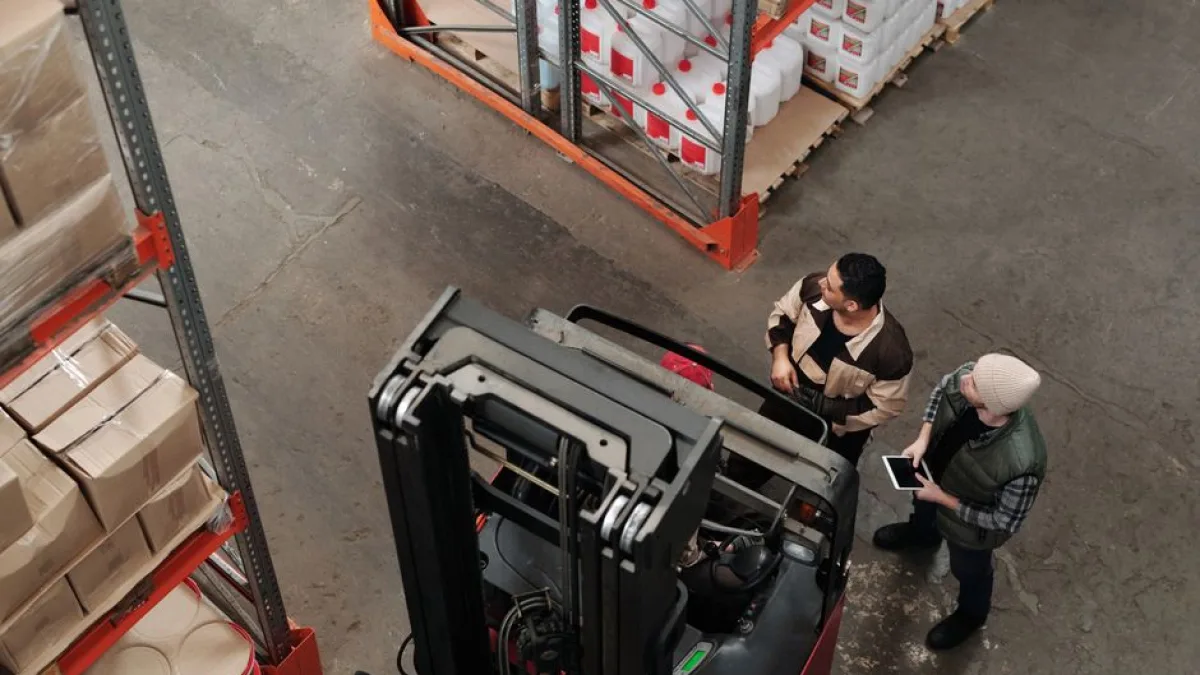
Technical tools are only as effective as the people operating them, making continuous professional development a cornerstone of compliance. Investing in regular training programs ensures that your staff understands the nuances of international trade laws and how to use software to its full potential.
- Periodic compliance workshops: Conduct regular training sessions to keep your staff updated on local and international trade laws, ensuring that knowledge remains current across the entire organization.
- Software proficiency training: Ensure every team member masters your internal freight management software through hands-on practice, which directly improves accuracy and reduces the risk of human error.
- Soft skills development: Teach your staff how to communicate complex compliance issues clearly to clients, building trust and ensuring everyone understands the legal requirements of shipping.
- Certification support programs: Encourage your logistics professionals to obtain industry-recognized customs certifications, which significantly boost your company expertise and provide peace of mind to your clients.
A well-trained team is your greatest asset in maintaining compliance and operational excellence. By fostering a culture of learning, you empower your staff to navigate difficult regulatory landscapes with confidence. This dedication to expertise improves morale and significantly increases service quality. When your team is knowledgeable and equipped with the right skills, your firm remains ahead of the curve in the logistics industry.
Conclusion

Mastering customs compliance is a continuous process that requires a perfect balance of advanced technology and human expertise. By implementing automated systems, centralizing documentation, managing risks, and investing in team training, you can ensure your logistics firm operates with maximum efficiency. Trust MakeCargo to support your journey toward superior compliance, allowing you to focus on scaling your business and delivering value to your global clients.