Mastering Customs Compliance: A Freight Forwarder Guide
Thursday, August 20 2026
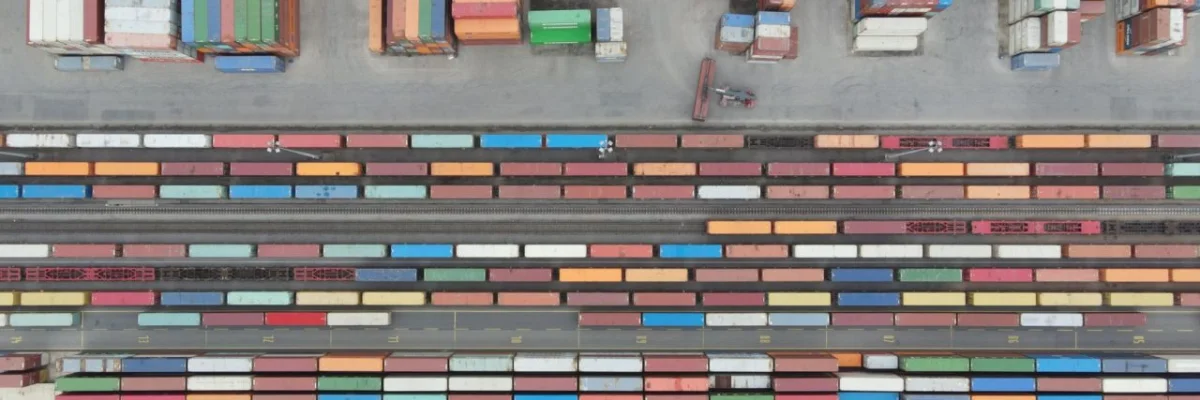
Navigating the complex landscape of international trade requires more than just logistical expertise. For modern freight forwarders, customs compliance serves as the backbone of seamless operations and client trust. As regulatory requirements shift across borders, professionals must adopt proactive strategies to avoid costly delays and severe penalties. By leveraging cloud-based platforms and staying informed about global trade policies, you can transform compliance from a taxing administrative burden into a competitive advantage. This guide explores the critical pillars of customs management designed to help your freight forwarding business remain resilient, efficient, and fully compliant in an increasingly connected global market environment.
Digital Documentation Precision

Modern customs clearance relies heavily on the accuracy of electronic data. Digitizing your document workflow minimizes human error, speeds up processing times, and creates a clear audit trail that satisfies international authorities during unexpected inspections or routine post-clearance reviews for your cargo.
- Data Accuracy Standards: Implementing rigorous verification protocols for commercial invoices and packing lists ensures that all declared values match actual shipment contents, effectively preventing customs audits and potential financial penalties.
- Automated Filing Systems: Utilizing cloud-based software allows your team to transmit data directly to customs portals, reducing manual input requirements and significantly cutting down on critical processing time delays.
- Standardized Document Templates: Creating consistent templates for essential shipping documents streamlines your internal operations, ensuring that every submission meets the precise regulatory requirements of different destination countries and agencies.
- Electronic Audit Trails: Maintaining a secure digital record of every communication and submission provides immediate evidence of compliance, which is vital for demonstrating due diligence to trade authorities.
Precision in documentation is the bridge between a smooth transit and a costly hold at the border. By moving away from manual data entry and adopting centralized digital workflows, your team can catch discrepancies early in the process. This proactive stance protects your reputation with clients while ensuring that your logistics operations remain agile and compliant regardless of the specific destination or complexity of the cargo.
Tariff Classification Mastery

Correctly identifying the Harmonized System codes for your goods is essential for duty calculation and compliance. Misclassification can lead to significant financial losses or legal issues, making deep knowledge of tariff schedules a non-negotiable skill for any professional freight forwarder today.
- Harmonized System Expertise: Mastery of the global HS code system allows you to categorize goods accurately, ensuring that your clients pay the correct duties while avoiding unnecessary regulatory flags.
- Regular Code Updates: Monitoring official tariff databases for periodic updates helps you stay ahead of changes that could impact the landed cost of goods for your international shipping clients.
- Detailed Product Profiles: Maintaining comprehensive product databases within your software platform allows for quick and accurate classification of recurring shipments, which improves your overall efficiency and data integrity levels.
- Consultative Compliance Advice: Offering expert guidance on tariff classifications establishes your firm as a trusted partner, helping clients avoid common pitfalls and optimize their total landed costs during trade.
Mastering tariff classification requires a mix of detailed product knowledge and constant vigilance regarding changing international regulations. By building a robust system for tracking these codes, you empower your team to provide better service and avoid expensive mistakes. Consistent classification processes not only save your clients money but also foster long-term partnerships built on reliability, precision, and deep industry authority in global logistics.
Regulatory Risk Mitigation

Proactive risk management is the hallmark of a successful freight forwarder in the current economic climate. Identifying potential threats before they escalate into border issues allows your firm to navigate complex trade restrictions and sanctions with confidence and total peace of mind.
- Screening Denied Parties: Running every shipment through comprehensive denied party screening tools prevents your company from accidentally facilitating trade with restricted entities, which is a major compliance requirement.
- Geopolitical Trend Monitoring: Staying informed about shifting trade policies and sanctions lists allows you to advise clients on potential risks before they commit to shipping routes that involve volatile regions.
- Licensing Compliance Checks: Validating the necessity of special import or export licenses ensures that you possess all required documentation long before the shipment reaches the customs clearance checkpoint process.
- Emergency Contingency Planning: Developing structured plans for unexpected regulatory changes ensures that your team can pivot quickly, maintaining operational continuity even when global trade rules shift quite suddenly.
Risk mitigation is not just about avoiding trouble but about building a resilient framework that protects your operations from external shocks. When you integrate screening tools into your daily workflow, you minimize the chance of errors that lead to investigations. A forward-thinking approach ensures your business remains stable, keeping shipments moving while upholding the highest standards of international trade law and compliance.
Ongoing Staff Training

The regulatory environment is constantly changing, making professional development a vital component of your business strategy. Investing in regular training for your logistics staff ensures that your team remains knowledgeable about the latest compliance standards and best practices in modern shipping.
- Customs Workshop Attendance: Encouraging your employees to attend industry-led customs seminars keeps your team updated on the latest shifts in local and international trade laws and enforcement procedures.
- Internal Process Audits: Conducting regular reviews of your internal procedures helps identify skill gaps, allowing you to provide targeted training that addresses specific areas where your team needs improvement.
- Compliance Culture Building: Fostering an environment where compliance is prioritized encourages staff to report potential issues early, creating a strong culture of accountability across all departments and levels.
- Software Proficiency Training: Ensuring all team members are highly skilled in using your logistics platform guarantees that technological tools are being leveraged to their full potential for compliance.
Investing in your people is the most effective way to safeguard your company against compliance failures. Well-trained staff are better at spotting irregularities and handling complex trade situations, which directly improves service quality. By making education a continuous part of your firm's culture, you maintain high performance levels, stay ahead of regulatory hurdles, and ensure your logistics team is always ready for challenges.
Conclusion
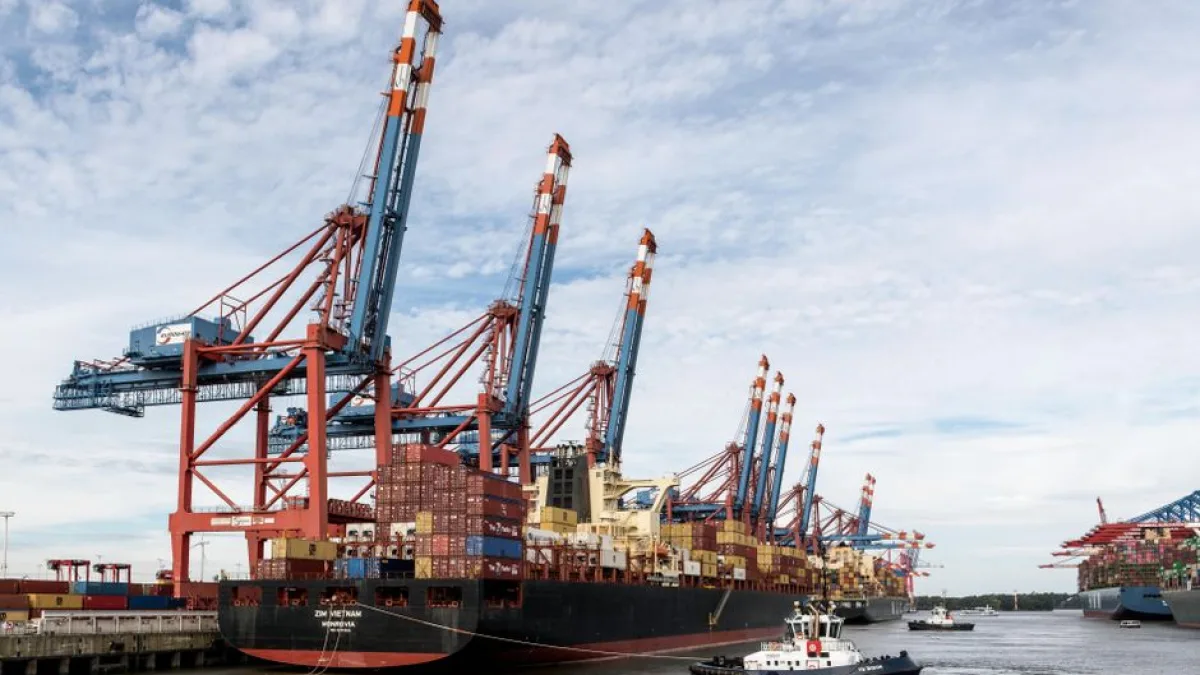
Maintaining high standards of customs compliance is fundamental to achieving excellence in the global freight forwarding sector. By prioritizing digital precision, accurate classification, effective risk management, and continuous staff education, your firm can navigate the complexities of international trade with ease. Integrate these strategies into your daily operations to ensure long-term stability and growth. Start optimizing your customs workflows with MakeCargo today for better results.