Mastering Customs Compliance: A Strategic Guide for Freight Forwarders
Thursday, September 3 2026
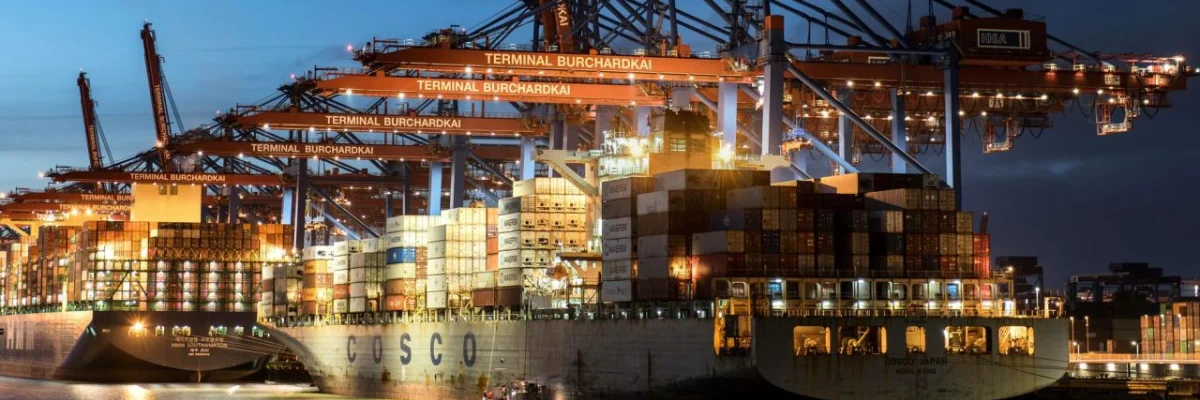
Navigating the complex world of international trade requires more than just logistical expertise. Customs compliance stands as the backbone of modern freight forwarding, ensuring that global supply chains remain uninterrupted by regulatory hurdles. With border agencies adopting increasingly sophisticated digital tracking methods, forwarders must pivot toward proactive compliance strategies. By leveraging cloud-based platforms and real-time data integration, companies can mitigate risks associated with fines, shipment delays, and reputational damage. This guide explores the essential pillars of maintaining regulatory excellence, helping your business remain competitive while fostering trust with clients, customs authorities, and international partners in a volatile global market.
The Importance of Automated Documentation

Manual document handling is a major source of errors in modern shipping operations. Transitioning to automated digital systems ensures that every piece of customs documentation is verified for accuracy and completeness before it ever reaches the terminal or border authority agents.
- Real time validation: Automated platforms check your filings against current government databases to ensure all tariff codes and declarations are correct before you submit them to customs officials.
- Data integrity checks: Advanced software scans your entries for missing fields or inconsistent values that often lead to rejected shipments and costly audits at major entry ports.
- Centralized document storage: Keeping all shipment records within a single cloud-based portal allows your team to access critical clearance documents instantly during sudden customs or regulatory investigations.
- Version control systems: Automated software tracks every change made to your documents, providing an immutable audit trail that demonstrates your company follows standard compliance procedures every time.
Adopting digital automation is no longer a luxury but a fundamental necessity for scaling your freight forwarding operations. By removing the dependency on paper-based workflows, you significantly reduce the risk of human error during entry processing. These technological upgrades allow your team to focus on high-value strategy rather than fixing clerical mistakes, ultimately resulting in faster release times and improved client satisfaction across your global network.
Navigating Evolving Tariff Regulations
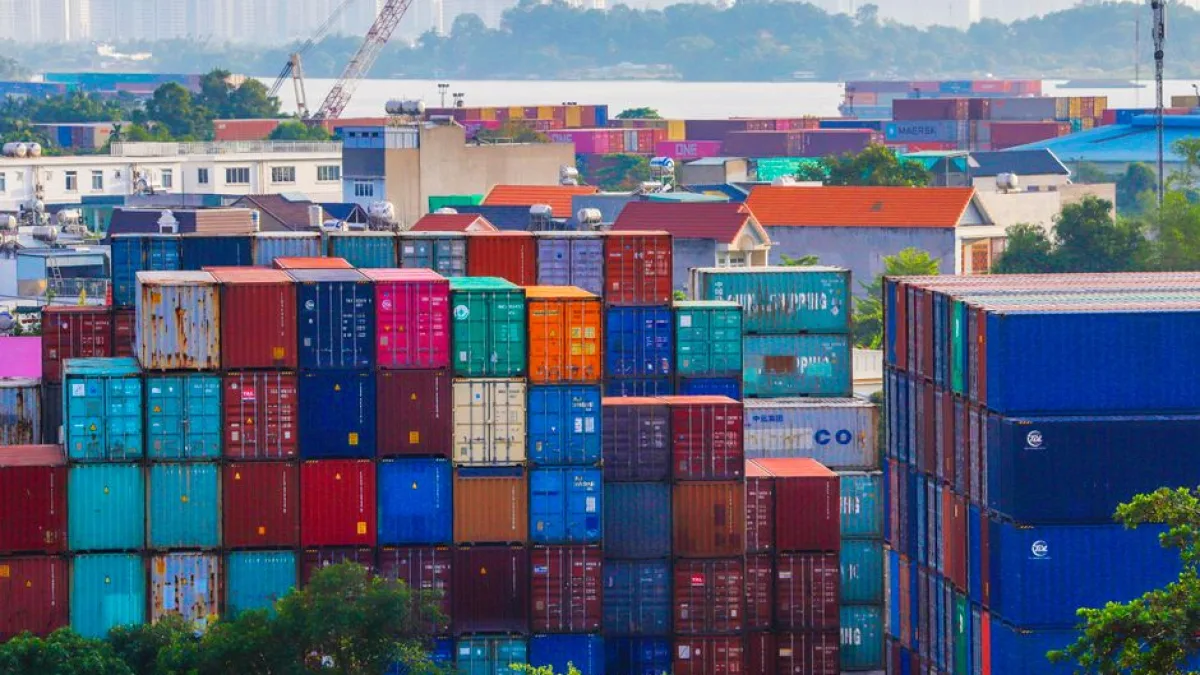
Global trade policies change frequently, forcing forwarders to adapt their classification strategies on the fly. Staying current with fluctuating tariff structures is crucial for protecting your clients from unexpected duty increases and ensuring seamless cross-border movement of goods globally.
- Dynamic tariff updates: Integrated software platforms push automatic notifications whenever duty rates change for specific product categories, ensuring your client invoices always reflect the most recent data.
- Accurate HS classification: Using sophisticated database tools helps your staff select the correct Harmonized System codes, preventing severe penalties caused by misclassification of complex imported inventory goods.
- Client advisory services: Proactive communication regarding upcoming trade policy changes positions your firm as a strategic partner that helps clients optimize their supply chain duty spend effectively.
- Regulatory reporting tools: Comprehensive analytics dashboards provide your team with deeper insights into tariff impacts, allowing for better forecasting and budget management for your shipping clients.
Mastering these regulatory shifts requires a blend of human expertise and intelligent software integration. When you keep your classification systems updated in real time, you minimize the risk of retrospective audits. This proactive approach to tariff management builds long-term reliability. Forwarders who prioritize these systems gain a significant advantage in the marketplace, as they effectively shield their clients from sudden, disruptive financial shocks.
Mitigating Risk Through Compliance Audits

Regular self-assessments are the best defense against external regulatory audits. By conducting consistent internal reviews of your customs operations, you identify potential vulnerabilities before government officials flag them, allowing you to implement corrective measures that maintain your company standing.
- Internal control review: Systematically evaluate your current customs processes to ensure they align with international laws and internal company policies, catching potential failures before they become issues.
- Audit readiness preparation: Maintaining a clean and organized digital record of all past filings makes the process of responding to government information requests much faster.
- Correction workflow implementation: Establish clear procedures for identifying, documenting, and resolving any compliance errors found during your internal audits to demonstrate active diligence to border authorities.
- Staff training programs: Regular compliance workshops keep your logistics staff informed about new regulations, ensuring everyone follows the same high standards throughout the entire shipping cycle.
Conducting these audits might seem like an extra burden, but the long-term benefits are substantial. It protects your operating license and builds a reputation for excellence that attracts premium global clients. When your internal controls are robust, you operate with greater confidence in volatile regions. Make compliance a core part of your daily routine rather than a reactionary measure to external pressure.
Leveraging Cloud Tech for Security

Data security is a critical, yet often overlooked, element of modern customs compliance. As forwarding platforms move to the cloud, protecting sensitive trade information from cyber threats is essential for maintaining trust with your partners and meeting international data protection standards.
- Encrypted data storage: Protecting trade secrets and sensitive client data with high-level encryption protocols ensures that your information remains secure during storage and while being transmitted.
- Access management controls: Defining strict user permissions allows you to limit data access to specific personnel, reducing the risk of accidental exposure or internal information leaks.
- Reliable data backups: Automated cloud backups ensure that your critical compliance information remains safe from hardware failure, cyberattacks, or unforeseen system outages during peak shipping times.
- Cybersecurity policy updates: Implementing strong password policies and multi-factor authentication creates multiple layers of defense against unauthorized access, safeguarding your entire digital supply chain from threats.
The digital nature of modern customs means that your software is your greatest asset and your biggest liability. By prioritizing cloud security, you protect your company from crippling data breaches while fulfilling your compliance obligations. This creates a secure environment where innovation can thrive. Investing in high-quality, secure platforms will provide the foundation your business needs for sustainable growth and long-term security.
Conclusion

Successful customs compliance requires a consistent commitment to technology and ongoing education. By embracing automated documentation, staying updated on tariff changes, conducting regular audits, and securing your digital data, you turn a complex regulatory burden into a clear competitive advantage. MakeCargo supports these goals by providing the tools you need to streamline operations and ensure total compliance across every shipment you manage.