Mastering Customs Compliance: A Strategic Guide for Freight Forwarders
Sunday, September 13 2026
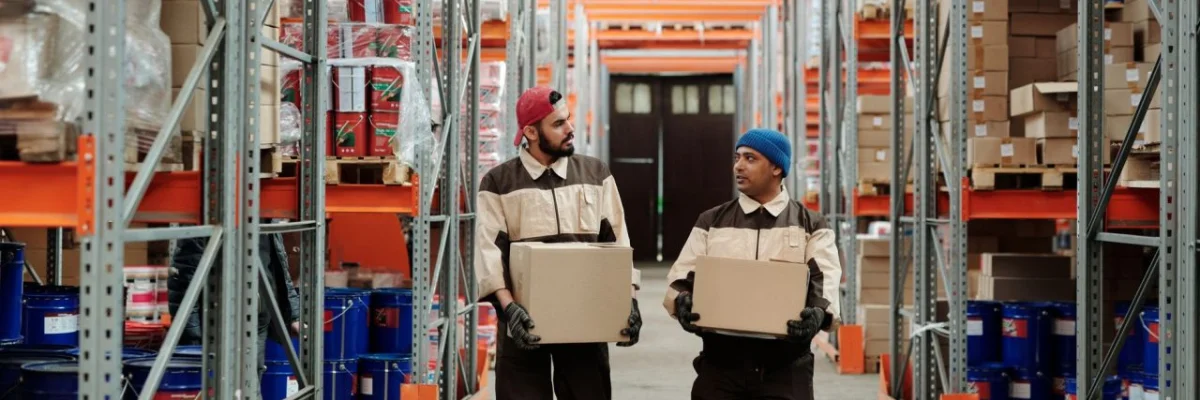
Navigating the complex world of international trade requires more than just logistical efficiency; it demands an ironclad grasp of customs compliance. As global regulations tighten and digital reporting requirements become the standard, freight forwarders must evolve their internal processes to mitigate risk and avoid costly penalties. Staying ahead means proactive monitoring of trade policies, robust data management, and leveraging technology to ensure every shipment meets the specific legal criteria of destination countries. By prioritizing accuracy in documentation and classification, firms can transform compliance from a functional burden into a distinct competitive advantage that builds lasting trust with global clients.
Automated Classification Systems

The manual classification of goods is prone to human error and inefficiency. Modern freight forwarders are turning to automated systems that integrate directly into their workflow to ensure every tariff code is precise and reflects current updates to international trade databases.
- Real-time tariff updates: Automated software platforms continuously monitor changes in customs regulations to ensure your classification data remains accurate, preventing delays caused by outdated HS code references during the clearance process.
- Standardized product databases: Maintaining a centralized repository for common goods prevents inconsistencies across teams and locations, ensuring that every shipment is categorized using the exact same compliance criteria every single time.
- Reduced manual error: Eliminating repetitive manual data entry significantly lowers the risk of typos or misinterpretations that lead to heavy fines, shipment holds, or unexpected audits by local customs authorities.
- Audit trail transparency: Digital platforms maintain a clear record of every classification decision, providing forwarders with the necessary documentation to prove due diligence if a regulatory agency ever questions a past shipment.
Adopting digital classification tools allows teams to move faster while maintaining superior accuracy. When documentation is standardized, your staff can focus on high-value tasks rather than correcting entry mistakes. This shift not only protects your bottom line from regulatory fines but also significantly boosts the reputation of your agency. Precision in classification serves as the foundation for smooth cross-border operations and long-term client satisfaction.
Data Integrity and Documentation

Accurate paperwork is the lifeblood of international logistics. In the modern era, data integrity goes beyond simple form filling; it involves ensuring that digital inputs perfectly match physical goods to satisfy global customs scrutiny and prevent major security complications.
- Consistent data entry: Establishing strict protocols for data collection across all branches ensures that information remains consistent and reliable, which is essential for passing rigorous automated customs risk assessment systems.
- Validated partner inputs: Requiring verified documentation from suppliers reduces the likelihood of discrepancies that often arise when dealing with incomplete or inaccurate information provided by external shipping partners or vendors.
- Cloud storage access: Utilizing secure cloud systems allows all stakeholders to access verified documentation instantly, ensuring that compliance checks are performed in real-time during the critical transit planning phase.
- Verification workflows: Implementing a multi-stage approval process within your software helps catch missing fields or incorrect values before the manifest is ever submitted to the relevant customs government gateway.
High data integrity is non-negotiable for forwarders operating in complex trade environments. When you prioritize clean data, you minimize the risk of physical inspections and shipment delays. By embedding strict validation checks into your software, your team gains confidence that every piece of information submitted is correct. This proactive approach to data management is essential for maintaining seamless global supply chains today.
Managing Regulatory Changes

Global trade policies are constantly in flux due to changing political climates and new security measures. Freight forwarders must develop agile systems that allow them to adjust to regulatory shifts without disrupting their current logistics operations or client schedules.
- Customized compliance alerts: Sophisticated logistics software can provide specific alerts whenever there is a shift in trade policy for a key destination country, allowing your team to pivot instantly.
- Cross-border collaboration: Connecting with local trade experts ensures that your firm understands regional nuances and specific requirements that global policy changes might overlook during the initial implementation phase.
- Regulatory reporting templates: Utilizing flexible reporting tools allows forwarders to quickly adapt their submission formats whenever customs authorities update their digital filing requirements, ensuring continuous compliance during transitions.
- Scenario based training: Regularly conducting team workshops regarding new trade laws keeps your staff knowledgeable and prepared to handle unique situations that arise during significant global policy adjustments.
Staying informed about regulatory shifts prevents your firm from being caught off guard. By integrating dynamic updates into your daily operational software, you ensure that your team remains compliant despite external changes. This level of preparation turns a potential obstacle into a routine update. Forwarders who excel at managing these changes foster deeper trust with clients who depend on them for stable trade advice.
Building a Compliance Culture

Compliance is a company-wide responsibility rather than just the task of the customs department. Creating a culture where every employee understands the impact of their actions on global security is vital for maintaining high operational standards and integrity.
- Routine internal audits: Regularly reviewing internal processes identifies hidden vulnerabilities before they become major problems, reinforcing a corporate commitment to excellence and high standards in all logistical operations.
- Employee training programs: Providing consistent education on international trade laws ensures that every staff member is equipped with the knowledge required to identify risks in daily workflows.
- Incentivized accuracy goals: Recognizing team members who maintain high levels of documentation accuracy motivates the workforce to prioritize precision over pure speed, balancing efficiency with essential regulatory safety.
- Clear communication channels: Encouraging staff to report potential risks without fear of retribution allows for early detection of errors that could otherwise lead to systemic compliance failures later.
A strong compliance culture acts as your best defense against errors. When your entire team understands the importance of customs regulations, they become active participants in risk mitigation. This mindset shift leads to fewer delays and happier clients. Make sure your organization invests in the ongoing education of your workforce to sustain this professional standard and maintain your competitive advantage in the market.
Conclusion
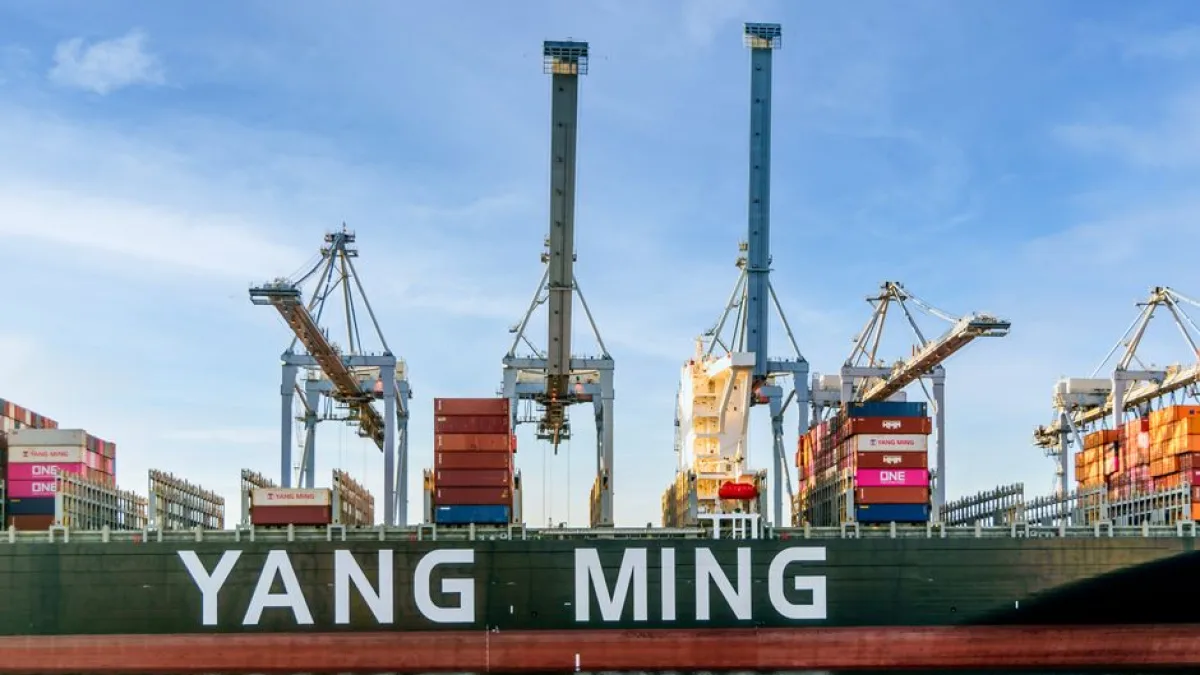
Mastering customs compliance is essential for the longevity of your freight forwarding business. By implementing advanced software solutions, maintaining high data integrity, and fostering a proactive team culture, you can mitigate risk and improve operational efficiency significantly. Choose to view compliance as a strategic tool for growth rather than a hurdle. Start optimizing your customs processes today to secure your future in the global market.