Mastering Customs Compliance: A Strategic Guide for Freight Forwarders
Monday, September 21 2026

Navigating the intricate landscape of global trade requires precision, foresight, and a robust approach to customs compliance. For modern freight forwarders, the regulatory environment is constantly shifting, demanding agility and technical expertise to avoid costly delays or severe penalties. Whether you are managing complex international shipments or optimizing supply chain workflows, ensuring your documentation remains flawless is the bedrock of operational excellence. As global commerce becomes increasingly interconnected, leveraging intelligent software solutions allows forwarders to automate risk assessments, streamline communication with authorities, and maintain a competitive edge while strictly adhering to the latest international trade protocols and national customs requirements.
Understanding Regulatory Frameworks
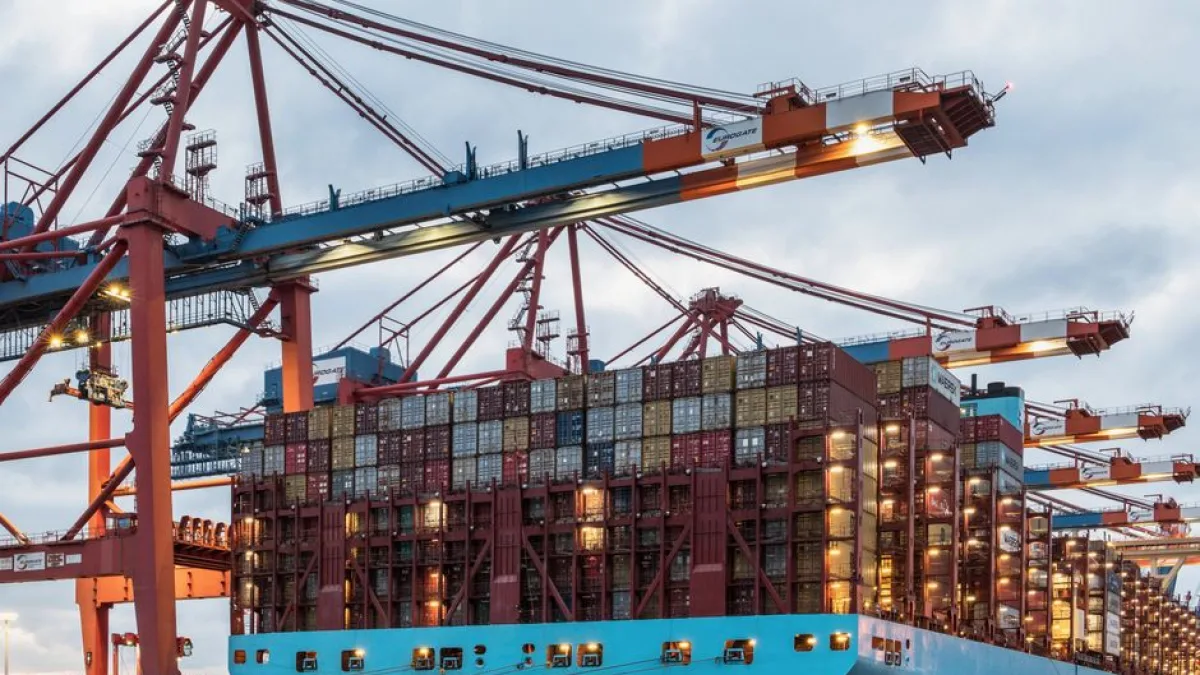
Global logistics rely on a complex web of international treaties and local mandates that dictate how goods cross borders. Mastering these frameworks requires consistent updates and a deep understanding of trade agreements to ensure every shipment adheres to stringent national import requirements.
- Harmonized System Codes: Properly classifying goods using accurate HS codes is essential for calculating duties correctly and preventing legal disputes during the customs clearance process for your clients.
- Preferential Trade Agreements: Leveraging existing trade deals can significantly reduce tariff costs, provided that your documentation proves the origin of the goods meet specific regional content requirements.
- Export Control Regulations: Managing restricted items requires strict oversight to ensure that no prohibited goods or sensitive technology end up in the wrong hands during transit.
- Import Duty Assessment: Automating the calculation of duties and taxes helps forwarders provide accurate quotes to customers while minimizing the risk of financial discrepancies during audits.
- Customs Broker Communication: Establishing a seamless link between your digital platform and local customs brokers ensures that real-time data flows without human error or unnecessary delays.
Adopting a proactive stance toward regulatory changes is no longer optional for successful logistics providers. By integrating compliance checks directly into your digital workflow, you can identify potential bottlenecks before they impact your delivery timelines. This level of oversight not only protects your reputation but also builds lasting trust with your clients, positioning your firm as a reliable partner in the global marketplace.
The Role of Data Accuracy

Reliable data serves as the foundation for compliant international shipments, minimizing the likelihood of flagged inspections. When shipping information is digitized and standardized, forwarders can ensure consistency across all customs filings, which drastically reduces the risk of expensive administrative errors.
- Electronic Documentation Flow: Shifting away from paper-based records reduces the potential for misplaced forms and enhances the speed at which customs authorities review your submitted shipment data.
- Validation Automated Systems: Utilizing software that automatically flags missing fields or invalid entries prevents incomplete declarations from leaving your system before reaching national customs agency portals.
- Real-time Tracking Integration: Connecting physical cargo movement with digital documentation allows you to provide authorities with precise status updates during every stage of the transit cycle.
- Digital Audit Trails: Maintaining a comprehensive log of every communication and document version provides essential protection in the event of a future regulatory audit or investigation.
- Standardized Data Entry: Implementing rigid input protocols ensures that all team members provide data in a uniform format, reducing confusion for customs officials reviewing complex consignments.
Precision in your digital records effectively acts as a shield against the complexities of border control. By removing manual entry from the equation, you create a scalable environment where compliance is baked into every shipment. This digital maturity not only speeds up the clearance process but also empowers your team to handle higher volumes with greater confidence and significantly fewer operational errors throughout the year.
Risk Mitigation Strategies

Proactive risk management is the hallmark of a top-tier freight forwarding operation. By anticipating common compliance pitfalls, firms can develop robust systems to verify documentation, perform necessary background checks, and maintain ongoing relationships with regulators to stay ahead of potential issues.
- Denied Party Screening: Running automated checks against global watchlists ensures that you are not facilitating trade with sanctioned individuals or organizations that pose legal risks.
- Vendor Compliance Audits: Regularly assessing your subcontractors and partners ensures that every player in your supply chain adheres to the same high standards of regulatory compliance.
- Shipment Security Protocols: Implementing rigorous physical and digital security measures prevents tampering or unauthorized access to sensitive trade data that could lead to severe compliance breaches.
- Crisis Management Planning: Having a pre-defined strategy for dealing with customs holds or seizures minimizes downtime when unexpected issues arise at the border during busy periods.
- Continuous Staff Training: Keeping your operations team educated on evolving legal landscapes and new trade technologies is a vital investment in maintaining long-term organizational compliance success.
Managing risk effectively requires a combination of sophisticated software tools and a well-trained workforce that understands the gravity of non-compliance. When you treat compliance as a strategic advantage rather than a simple hurdle, you differentiate your service in a crowded market. This approach ensures that your clients feel secure, knowing their goods will clear borders safely, efficiently, and without unexpected financial impacts.
Leveraging Modern Software Tools

Cloud-based technology platforms provide the visibility needed to manage compliance across diverse global jurisdictions. By centralizing operations, forwarders gain a birds-eye view of their compliance status, allowing for rapid decision-making and seamless integration with customs authorities in real-time across multiple geographic locations simultaneously.
- Automated Filing Solutions: Modern software integrates directly with customs systems, enabling rapid electronic submission of declarations and reducing the burden of manual data entry tasks today.
- Customized Alert Systems: Receiving instant notifications about shipment status changes or missing regulatory documents allows for immediate correction before significant bottlenecks occur at the port.
- Scalable Cloud Infrastructure: Storing your compliance data in the cloud allows your team to access critical documentation from anywhere while maintaining high levels of security.
- Analytics and Reporting: Generating detailed reports on your customs history helps you identify recurring patterns or compliance gaps that need to be addressed internally.
- Seamless API Integration: Connecting your freight software with third-party compliance services provides access to up-to-date trade databases and international regulatory requirements for every global market.
Integrating modern software into your daily operations is the most effective way to stay compliant while expanding your international reach. These tools turn overwhelming amounts of data into actionable insights, helping you navigate the complexities of global trade with ease. As you continue to innovate and adopt these digital solutions, you will find that your customs compliance process becomes a core asset for your business.
Conclusion

Mastering customs compliance is an ongoing journey that demands both vigilance and the right technological tools. By prioritizing data accuracy, implementing proactive risk strategies, and leveraging cloud-based platforms, you can transform regulatory adherence into a competitive advantage. Stay committed to continuous improvement, keep your team trained on the latest shifts, and choose partners that prioritize your growth while keeping your global operations entirely compliant.